

Garage Cleanouts in Newton, MA: How to Sort Stored Items Before Removal
Simplify garage cleanout services in newton, ma with a clear plan for sorting tools, donations, recycling, and safe disposal before removal day. Know what to keep, give away, or discard.

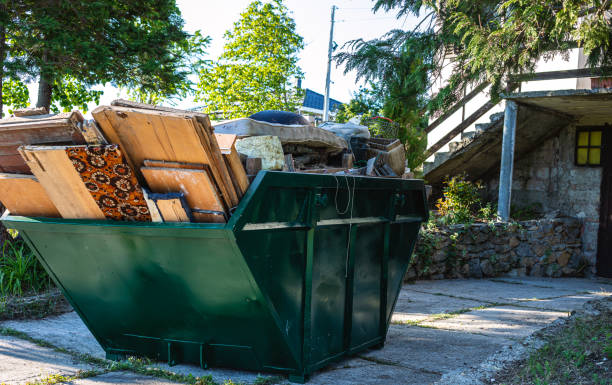
A crowded garage can make a simple cleanout feel like a difficult decision. The space Back & Services is one option a homeowner may consider, but the most useful first step is sorting items before removal day. Old boxes, tools, seasonal décor, and broken equipment should not all go into the same pile. For homeowners comparing garage cleanout services in newton, ma, a clear sorting plan can lower confusion and help protect items that still have value.
The order matters because removal workers need to know what is leaving and what must stay. They also need safe access to shelves, corners, and the garage door. A short review before pickup can prevent useful items from being thrown away and can show whether special disposal is needed.
Key Takeaways
-
Sort items into keep, donate, recycle, and discard groups.
-
Check shelves, cabinets, rafters, and hidden corners before removal.
-
Set aside paint, chemicals, batteries, and electronics for proper handling.
-
Clear a safe path and confirm the removal plan before pickup day.
Sort Before Removal Begins
The first step is to work in small areas instead of emptying the whole garage at once. One shelf, cabinet, or wall section is easier to judge than a large mixed pile. They can place a sheet or open box nearby for each choice, then move through the space from front to back.
The keep pile should contain items they use, need, or have a clear plan to use soon. Seasonal equipment can stay if it is in good shape and has a sensible storage place. Items kept only because they might be useful someday deserve a closer look. If they cannot name a likely use, the item may belong in another group.
They should inspect containers before moving them. A closed box may hold family papers, small tools, or items that should not be exposed to rain or rough handling. A quick photo inventory can help them remember what is inside each marked box, especially when several storage bins look alike.
Sorting also reveals the real size of the job. A few bags of unwanted items require a different plan from a garage filled with large furniture, old appliances, and heavy scrap. This early estimate helps them ask better questions about labor, access, timing, and disposal.
A Simple Four-Pile Method
A four-pile system keeps decisions clear. The first pile is for items that stay in the home. The second is for clean, usable goods that may be donated or given away. The third is for material that may be recycled or recovered. The fourth is for items with no useful purpose that need disposal.
A small review area can help with uncertain objects, but it should not become a permanent fifth pile. They can set a decision date for those items. If the date passes without a clear reason to keep something, they can move it to donation, recycling, or discard.
Condition matters as much as age. An old workbench may still be useful, while a newer chair with mold or broken supports may not be safe to pass on. They should not donate items that are dirty, unsafe, incomplete, or difficult for another person to use.
-
Keep items that have a known purpose and a place to stay.
-
Donate or give away clean goods that are safe and complete.
-
Recycle materials when the item or local program allows it.
-
Discard damaged goods after checking for special handling needs.
3. Separate Items by Condition and Destination
The next review should focus on where each item can go. During a garage cleanout in Newton, Ma usable goods may be easier to manage when they are grouped by type, such as hand tools, children’s items, hardware, or seasonal supplies. A clear label on each box can prevent donated goods from being mixed with trash.
Some items may have salvage value even when they are not ready for donation. Metal shelving, clean lumber, unbroken hardware, and working parts may be useful to a reuse group or a person doing repairs. They should avoid assuming that every old item is recyclable, since mixed materials and attached parts may change how it must be handled.
Electronics need extra care. Computers, monitors, printers, cords, and some appliances may contain parts that should not go into ordinary trash. Batteries should be separated from other waste, and leaking batteries should be handled carefully without direct skin contact. Local recycling programs, retailers, or transfer stations can explain current drop-off choices.
-
Group donations by type and label each box clearly.
-
Separate reusable parts and clean metal from ordinary trash.
-
Keep electronics, cords, and batteries in a marked area.
-
Check whether broken or mixed-material items have special rules.
4. Plan Safety and Disposal Before Pickup
Safety should shape the sorting plan from the start. A garage may contain paint, fuel, pesticides, cleaners, propane cylinders, or other hazardous materials. These items should not be placed in a general discard pile or handled in a way that could cause leaks. During junk removal in Newton, the homeowner should tell the removal provider about such items before scheduling the work.
They should also look for sharp edges, loose nails, broken glass, unstable shelves, and heavy objects stored overhead. Small items can go into sturdy boxes, but boxes should not become too heavy to lift. Heavy tools and parts are safer when placed in smaller containers or left where workers can assess them.
Access matters in a garage cleanout. The route from the back wall to the door should be wide enough for people to walk without stepping over cords or boxes. If a shared driveway, narrow entrance, or street parking affects loading, the plan should address it early. When snow, ice, or rain creates a slip risk, removal may need a safer time or added care.
-
Identify paint, fuel, chemicals, gas cylinders, and batteries early.
-
Keep sharp, leaking, or broken items away from ordinary donations.
-
Use smaller boxes for dense tools, hardware, and metal pieces.
-
Clear the walking path and discuss access limits before pickup.
Choosing Junk Removal Services in Newton, MA
When homeowners compare junk removal services the lowest price should not be the only deciding factor. They should ask what the service includes, such as junk sorting, lifting, loading, transportation, cleanup, and disposal. A clearly defined service scope makes it easier to compare estimates and understand what is included in the final price.
The amount and type of junk can affect the removal process. A provider may need different equipment for heavy appliances, bulky furniture, construction debris, or large piles of unwanted household items. Sharing photos and explaining stairs, gates, parking restrictions, or long carrying distances can help the junk removal company prepare an accurate estimate and choose the right equipment.
Homeowners should also ask how donations, recyclable materials, and unwanted items will be handled. Some junk removal services separate reusable items and recyclable materials, while others may require special disposal arrangements. It is important to confirm whether hazardous materials, tires, appliances, electronics, and construction debris are accepted before scheduling the removal service rather than making assumptions on pickup day.
Avoid Common Sorting Mistakes
One common mistake is starting with the easiest items and leaving the hidden areas for last. The rear corners, overhead racks, and cabinets often hold the items that change the final size of the load. A full sweep at the beginning helps reveal the whole task and reduces last-minute changes.
Another mistake is keeping too many low-value items because they once cost money. Purchase price does not decide whether an item deserves garage space today. Condition, current use, repair cost, and available room are better tests. If an item has not been used for years and is hard to repair, letting it go may create more useful space.
They should also avoid combining donations and trash in one container. Mixed loads take longer to sort and may cause usable items to be damaged. Separate containers, labels, and a simple written inventory make the final handoff easier for everyone.
Make the Final Walk-Through
After the main sorting is done, they should check the garage from floor to ceiling. Look behind doors, under workbenches, inside cabinets, and above shelving. This is also the right time to remove personal papers, keys, family photos, medication, and anything with private information.
The keep pile should be placed where it will not be mistaken for removal. A strip of tape or a clear sign can mark the boundary, while a closed container can protect small items. They should keep valuable or sentimental objects inside the home until the work is complete.
Before the crew arrives, they can sweep loose debris toward one area, secure pets, and make sure the garage door and access route are usable. If the removal plan has changed, they should share the update before loading begins. A final check of the inventory, special materials, and items that must stay can prevent avoidable errors.
Frequently Asked Questions
Can Sorting Wait Until the Removal Team Arrives?
It can, but sorting ahead of time usually gives the homeowner more control. A removal team may be able to help separate items, but last-minute decisions can slow the work and increase the chance that something useful is removed by mistake.
How Should They Handle Sentimental Items?
Sentimental items should go into a separate review box, away from discard piles. They can set a later decision date or ask a family member to review the box, rather than making an emotional choice while lifting and sorting.
What Should They Do with Paint and Chemicals?
They should keep these materials in their original containers when possible, avoid mixing them, and contact the local waste office or transfer station for current instructions. A removal provider should be told about them before the appointment.
How Can They Estimate the Amount to Be Removed?
They can group similar items together, photograph each wall, and note the number of large objects, boxes, and bags. Photos should show the floor, shelves, and access route so a provider can better understand the load and working conditions.
What If an Item Is Too Heavy to Move Safely?
They should not test their strength by lifting it alone. Heavy appliances, packed boxes, and unstable furniture should remain in place until the removal team can assess the safest way to move them.
Should the Garage Be Swept Before or After Removal?
A light sweep before removal can uncover small objects and trip hazards. The deeper cleaning should happen after the unwanted items are gone, when the open floor makes it easier to collect dust, cobwebs, and loose debris.
Make the Space Ready for Its Next Use
Sorting stored items before removal is more than a way to reduce clutter. It helps protect useful belongings, separates materials that need special handling, and gives the homeowner a clearer idea of the work involved. A careful four-pile process, honest review of condition, and early discussion of access can make the final removal safer and easier to manage.
Arrange Removal With Clear Details
Once the garage has been sorted, the next step is to request a clear removal plan. Share the item types, approximate volume, access details, and any materials that need special handling. Ask what the quoted work includes, when the crew can arrive, and how usable items or recyclables will be managed. A short written outline helps prevent surprises and keeps the space ready for its next use, whether that means parking a car, storing tools, or starting a home project.

Hi, I’m Freya Parker, an automotive expert focused on helping car owners make smarter decisions when selling their vehicles. I specialise in breaking down the car-selling process in a simple, practical way from understanding your car’s real value to reading market trends and spotting the right time to sell. My goal is to give you clear, honest guidance so you can confidently get the best possible price for your car without confusion or stress. Whether you’re selling for the first time or just want a better deal, I’m here to make the process straightforward, transparent, and rewarding





Comments (0)