

How Much Does Junk Removal Cost in Joplin, MO? Understanding Load Size and Removal Needs
Get a clearer estimate of junk removal cost in Joplin, MO by learning how load size, labor, access, disposal, and special items affect the final quote.

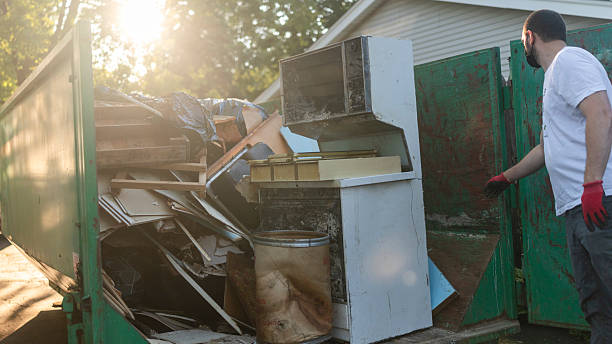
When a garage, rental unit, or office starts to fill with unwanted items, the first concern is often the final bill. The price usually depends less on the name of one item than on how much space everything takes, where it sits, and how hard it is to remove. A small pickup may cost far less than a full property cleanout, even when both jobs contain ordinary household debris. That is why junk removal cost in Joplin, MO is best understood through load size and removal needs, not a single flat number. R&D Junk Removal can be one option for requesting a load review, but the same pricing questions apply to any provider.
Key Takeaways
-
Load size is often the main starting point for a removal estimate.
-
Labor, stairs, distance, parking, and item weight can change the total.
-
Appliances, renovation debris, tires, and other special items may need separate review.
-
Clear photos and details help them compare estimates with fewer surprises.
What Determines Junk Removal Cost in Joplin, MO?
Most removal companies look at the total job rather than charging one identical price for every customer. They may consider the portion of the truck that the items will fill, the time needed to carry them out, and the disposal or recycling route afterward. A minimum charge may apply even when the load is small because travel, labor, and scheduling still take time.
The type of property also matters. Items in a garage with a driveway nearby are usually easier to reach than items in a basement, upper floor, or back room. A rental turnover may include furniture, bags, boxes, and loose trash. A remodeling project may include drywall, flooring, cabinets, or broken fixtures. These materials can differ in weight and disposal needs, so the same volume does not always mean the same work. Owners can compare junk removal cost in Joplin, MO more fairly when each estimate describes the same room and route.
For someone comparing junk removal cost in Joplin, MO, the most useful question is not simply what a truckload costs. They should ask what the quoted load includes, whether labor is included, and whether disposal fees or special handling are separate. This makes the estimate easier to understand before the crew arrives.
What Removal Needs Beyond Volume
Volume is only the starting point. Labor time can rise when workers must take apart furniture, move items through narrow doors, protect walls, or carry materials a long distance to the truck. Access conditions are especially important in older homes, buildings with limited parking, and properties where the driveway cannot support a large vehicle.
A useful local question involves Joplin curbside junk pickup. If items are already placed at the curb, the work may be simpler, but they should first confirm that the provider accepts curbside material and that local collection rules allow that placement. Items left outside can become wet, scattered, or mixed with materials that require different handling.
-
Stairs, elevators, narrow gates, and long carries can increase labor time.
-
Disassembled furniture may take less room but still require careful handling.
-
Heavy appliances may need extra workers or special equipment.
-
Items inside sheds, crawl spaces, or crowded rooms may take longer to reach.
A realistic example is a refrigerator sitting beside an open garage compared with one inside a finished kitchen. Both are one appliance, but the second may involve door clearance, floor protection, and more careful movement. They should describe the item location instead of reporting only the item name.
What Can Change the Quote
Some materials need more planning than ordinary household junk. Paint, chemicals, fuel, medical waste, asbestos-containing material, and other hazardous materials may not be accepted through a standard pickup. They should never mix uncertain materials into a regular load without asking first.
The phrase Joplin property cleanout services can cover very different jobs, from a few rooms after a move to a full estate cleanout. The provider may need to sort donations, recyclables, documents, furniture, and trash. Sorting takes time, and it may change the way the material is transported or handled.
-
Appliances may require preparation, disconnection, or separate recycling rules.
-
Tires, televisions, mattresses, and electronics may have special disposal costs.
-
Construction debris can be heavier and may not be accepted with household items.
-
Storm-related branches or damaged materials should be described before booking.
Disposal fees can also vary by material. A load sent to a transfer station may be handled differently from items sent for donation or recycling. They should ask whether the estimate includes these charges and what happens if the crew finds an item that was not listed.
How Load Size Shapes the Starting Price
Load size is often described as a fraction of a truck or by the amount of cubic-yard space the items use. The exact method differs between providers, but the basic idea is simple: more volume usually requires more truck capacity and more time to load. Loose bags, large furniture, and stacked boxes can also take up space in different ways. A junk removal pricing guide shows how those fractions work in practice.
A person may think they have only a few items because the pile is spread across a room. Once everything is gathered near the truck, the volume may look very different. That is why photos showing the whole pile, not only close-ups, can help with an early estimate.
-
A single sofa, mattress, or appliance may fit within a small-load minimum.
-
Several rooms of furniture may require a larger share of the truck.
-
Dense materials such as concrete, dirt, tile, or roofing may add weight concerns.
-
Loose debris may need bags, sorting, or extra loading time.
-
A full cleanout is usually priced around the total volume and work involved.
They should also avoid assuming that a nearly full truck always costs the same. A truck filled with light cardboard is different from one filled with heavy construction debris. Weight limits, safe loading, and disposal rules can affect how much material can be accepted on one trip.
How to Read a Removal Estimate
A clear estimate should help them understand the expected load size, labor, and included services. It may be based on photos, a phone description, or an on-site review. An estimate made from limited information can change if the actual pile is larger, heavier, or harder to reach than described.
They should check whether the quote covers loading, carrying, sorting, transportation, and disposal. They should also ask whether there is a minimum charge, a trip fee, or an added amount for stairs and long-distance carrying. These details matter because two quotes with different totals may not cover the same work.
For larger jobs, they can ask whether the provider expects one truck visit or more than one. A property owner preparing a home for sale may prefer a complete removal in one visit, while someone clearing a garage may choose to handle the work in stages. The best choice depends on timing, budget, and how quickly the space is needed.
Photos should show the full area, access path, and larger items. They should mention anything hidden behind doors or under piles. This small step gives the provider a better chance to plan truck capacity and labor time accurately.
Common Mistakes That Raise the Final Cost
One common mistake is describing a pile as a few bags when it also includes furniture, appliances, or dense debris. Another is leaving out stairs or a long walk from the house to the parking area. These details can make a quote look lower at first than the actual work requires.
They should also avoid taking apart large items before asking whether disassembly is needed. Breaking down a wardrobe may save space, but it can create loose pieces that take longer to gather. In other cases, an appliance should remain intact so the crew can move it safely.
Another mistake is assuming every provider accepts every type of waste. A quick call about paint, batteries, propane tanks, electronics, or renovation debris can prevent a failed pickup. If a transfer station, donation center, or recycling site has different requirements, the provider can explain what needs to be separated.
Timing can matter as well. A last-minute cleanout may limit scheduling choices, especially when a property must be cleared before a lease ends or a sale closes. They should request an estimate early enough to compare options and arrange any needed preparation.
Choosing the Next Step
They should begin by gathering the item types, estimating the number of rooms, and checking how the crew will reach the material. Next, they can take wide photos and close-ups of heavy or unusual items. This gives the provider information about volume, weight, access, and possible disposal limits.
When comparing estimates, they should focus on what is included rather than choosing the lowest number immediately. A quote that includes labor and disposal may be more useful than a lower base price with added charges later. They should ask for the expected load size, the work included, the payment terms, and the process for items that cannot be accepted.
They should also decide whether everything needs to leave at once. A partial pickup may work for a garage project, while a move-out or estate cleanout may require a complete plan. If usable items can be donated, they should identify them before the removal appointment instead of mixing them with general waste.
Frequently Asked Questions
Is Junk Removal Usually Priced by Weight or Volume?
Many household removal jobs are estimated by volume, such as the portion of truck space used. Weight and material type still matter, especially when the load includes concrete, dirt, roofing, appliances, or other dense items. They should ask which method the provider uses.
Can They Get an Estimate From Photos?
Often, photos and a detailed description can support an early estimate. The pictures should show the entire pile, nearby access points, stairs, and any unusually large items. A final price may change if the on-site conditions differ from what the photos showed.
Does Curbside Placement Always Lower the Price?
Curbside placement may reduce carrying time, but it does not automatically remove other charges. The load still takes truck space and may require sorting or special disposal. They should confirm whether curbside service is available and how it affects the estimate.
Are Appliances Included in a Regular Pickup?
Some providers accept common appliances, while others apply extra handling or recycling charges. Refrigerators, freezers, washers, dryers, and air-conditioning equipment may have different requirements. They should list each appliance before the appointment and ask whether preparation is needed.
What Should They Do With Paint or Chemicals?
They should not place paint, fuel, cleaners, batteries, or unknown chemicals into a standard junk pile without checking first. These materials may require a separate household hazardous waste option or another approved disposal route. The provider can say what they accept.
How Can They Avoid a Surprise Charge?
They should request a written or clearly stated estimate and ask what could cause the price to change. The most important details are load size, access, labor, disposal, special items, and additional trips. Accurate photos and full disclosure make the estimate more dependable.
Practical Conclusion
The cost of removing unwanted items in Joplin depends on more than how many objects are present. Truck space, labor time, access, material weight, disposal needs, and scheduling all play a part. They can make better decisions by preparing clear photos, describing unusual materials, and comparing estimates based on the full scope of work rather than one headline price.
Request a Clear Estimate
Before scheduling, they should gather photos, note the number and type of items, and describe stairs, narrow gates, long carries, or parking limits. They can request an itemized estimate explaining load size, labor, disposal, and special handling. Clear quotes are easier to compare than one total. If the job includes appliances, renovation debris, or uncertain materials, they should mention those details early so the provider can confirm what can be accepted and how pricing will be set before arrival.

Hi, I’m Freya Parker, an automotive expert focused on helping car owners make smarter decisions when selling their vehicles. I specialise in breaking down the car-selling process in a simple, practical way from understanding your car’s real value to reading market trends and spotting the right time to sell. My goal is to give you clear, honest guidance so you can confidently get the best possible price for your car without confusion or stress. Whether you’re selling for the first time or just want a better deal, I’m here to make the process straightforward, transparent, and rewarding





Comments (0)