

Professional Safe Unlocking in Goodyear, AZ: Common Reasons Safes Become Inaccessible
Why does a safe become inaccessible? Learn common causes and when safe unlocking service in Goodyear, AZ is the safest choice for a stuck or locked safe.

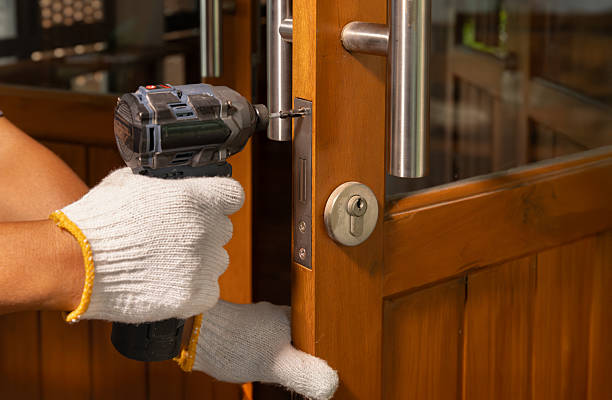
A safe that will not open is rarely broken beyond repair. In most cases, a simple cause sits behind the problem. A weak battery, a worn dial, or a lost code can all lock an owner out. Safe Locksmith AZ is a safe and vault locksmith in Goodyear, AZ. This guide explains the most common reasons safes become inaccessible and what to do next.
Key Takeaways
-
Most lockouts come from batteries, codes, worn parts, or jammed bolts.
-
Forcing a safe open can turn a small problem into a costly one.
-
Knowing the symptom helps a technician choose the right method.
-
Professional unlocking aims to open the safe and keep it working.
When Professional Safe Unlocking Makes Sense
Try the simple steps first. Replace the batteries with the type in the manual, enter the code slowly, and make sure nothing blocks the door. If the safe still will not open, stop there.
At that point, a safe unlocking service in Goodyear, AZ is the next step. A professional looks at the lock type and the symptoms before choosing a method. Dial locks may be opened by manipulation. Electronic locks may need power, a reset, or a new keypad. Drilling is a last choice and should be planned to protect the lock and the fire barrier.
Dead Batteries and Keypad Faults
Electronic safes depend on power. When batteries weaken, the keypad may beep softly, flash, or show nothing. Heat makes this worse, so a safe in a hot garage drains batteries faster. New batteries fix many cases. Corroded contacts, a loose wire, or a failed keypad can still stop the safe.
Jammed Bolts and Door Pressure
Sometimes the lock works, but the bolts will not move. Items packed tight against the door can press on the bolts. A safe that sits on uneven ground can twist slightly, and that can bind the door in the frame. Rust and dirt inside the bolt work add friction over time.
A handle that turns freely with no bolt movement is another clue. It can mean a broken link between the lock and the bolts. These cases need careful opening, because pulling harder can bend parts and make the door harder to free.
Broken Keys and Damaged Locks
Key locks wear out like any other lock. A key can snap in the cylinder, or the cylinder can freeze from wear. Past attempts to pry or hammer the safe can also bend the lock case. They can trigger a relocker, which is a backup device that locks the door again after an attack.
If someone tried to force the safe before, say so when you call. The technician needs to know what has been tried, because it changes how the safe should be opened.
Forgotten or Rejected Codes
Forgetting the combination is one of the top reasons for a lockout. A keypad can also lock itself for a short time after several wrong tries. Worn dial parts can shift the setting by a small amount, too.
Sometimes the right code is refused. A safe code not working is usually a sign of a worn dial part, a weak battery, or a stuck bolt, not a wrong code. A technician can test each one.
Inherited, Moved, or Unknown Safes
Many owners face a locked safe that came with a house, an estate, or a business purchase. No code, no key, and no paperwork can leave a safe closed for years. A move can also shift the lock or knock parts out of place.
In these cases, proof of ownership matters. A careful technician asks for ID and a record that shows you have the right to open the safe. This protects you and the person who owned it before.
What to Do While You Wait
Leave the safe closed and stop trying codes. Write down the brand, the model number, and what the lock does. Take a photo of the label if you can. Clear the area in front of the safe and gather your ID and papers.
Keep the combination off text messages and email. When the technician arrives, share only what is needed to open the safe and confirm ownership.
Frequently Asked Questions
Why will my safe not open even with the right code?
A weak battery, a worn dial, a stuck bolt, or a failed keypad can all block the safe. A technician can test each cause without guessing.
Can a dead battery lock a safe?
Yes, on many electronic models. Some have an outside power point and some do not. The manual or a technician can show the safe way to restore power.
Will opening a safe damage it?
Often not. Many safes open with manipulation or electronic tools. Drilling is kept for cases where other methods fail, and it should be planned.
How long does safe unlocking take?
Simple faults can be fixed in a short visit. Damaged locks and jammed bolt systems take longer. Ask for a time range after the inspection.
Can I open an inherited safe?
Yes, with proof that you have the right to open it. A technician may ask for ID and a record such as a will, a deed, or written permission.
What should I not do when a safe will not open?
Do not pry, hammer, or drill it yourself. Do not take off the keypad cover or keep trying wrong codes. These steps can add damage.
Get the Safe Open and Working Again
Most inaccessible safes have a clear cause once someone looks at the lock. Stop forcing it, note the symptoms, and get a trained technician involved. A careful opening keeps the safe useful after the lock is repaired in Goodyear, AZ.
Take the Next Step
Write down the brand, the model, and the symptoms, and gather your proof of ownership. Then ask a specialist to explain the method and price before work begins.

Hi, I’m Freya Parker, an automotive expert focused on helping car owners make smarter decisions when selling their vehicles. I specialise in breaking down the car-selling process in a simple, practical way from understanding your car’s real value to reading market trends and spotting the right time to sell. My goal is to give you clear, honest guidance so you can confidently get the best possible price for your car without confusion or stress. Whether you’re selling for the first time or just want a better deal, I’m here to make the process straightforward, transparent, and rewarding






Comments (0)