

How Can a 3190564 Contact Crimp Socket Prevent Faults?
Discover how a 3190564 Contact Crimp Socket fits dependable wiring, with tips for strain relief, vibration protection, fault diagnosis and planned maintenance.

A machine can appear perfectly wired while one small connection creates repeated shutdowns. In moving equipment and crowded control panels, vibration, cable tension and repeated servicing challenge electrical terminations. Understanding where a 3190564 Contact Crimp Socket fits into a reliable connection strategy helps technicians reduce avoidable interruptions instead of repeatedly tracing the same intermittent fault.
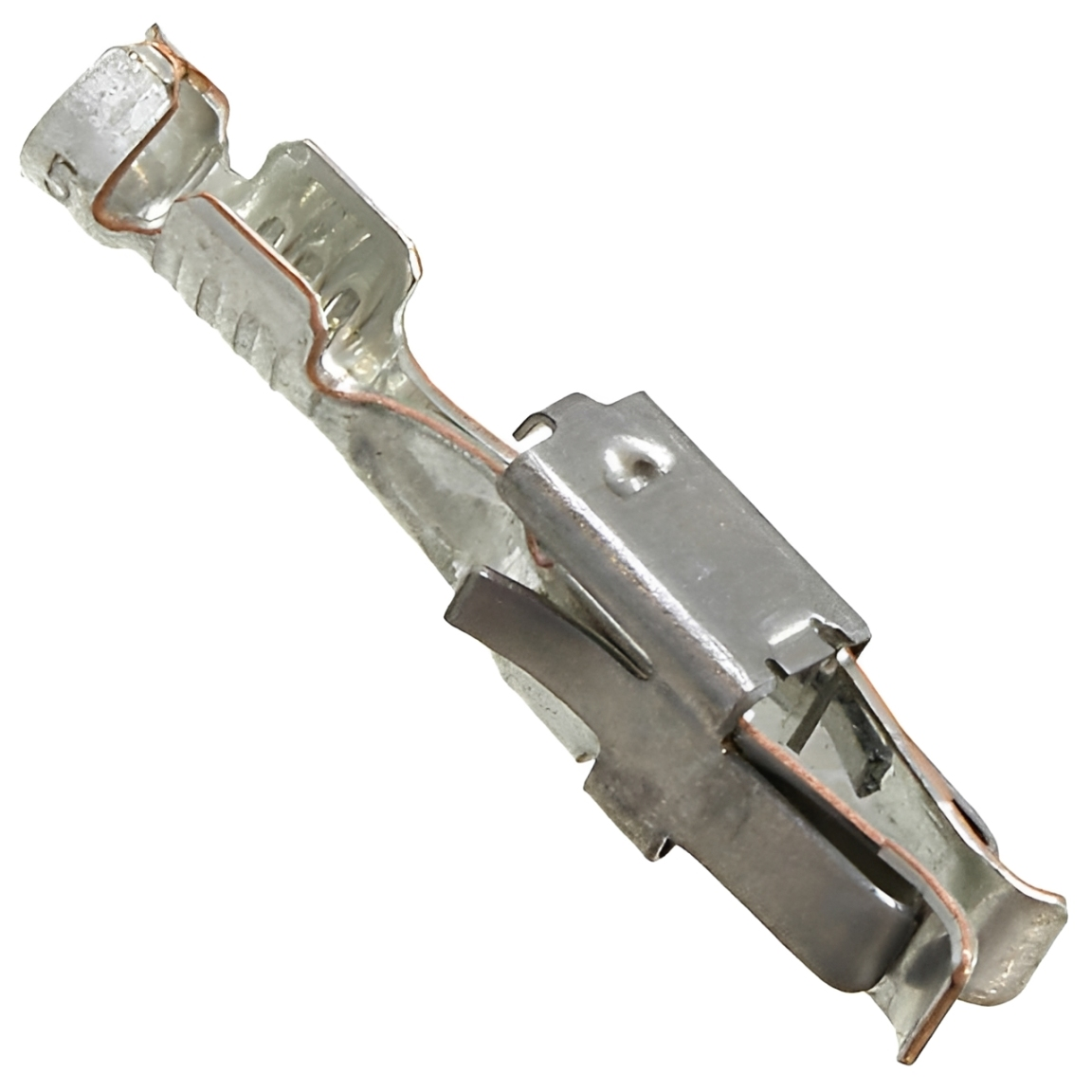
The 3190564 Contact Crimp Socket is an example of a tin-plated female contact intended for a compatible Phoenix Contact MSTBC plug housing. Its approved flexible conductor range is 0.5–1.0 mm². Rather than concentrating on one part number, the more useful lesson is how socket contacts, cable routing and servicing practices work together to keep a connector dependable.
Why Do Electrical Connectors Develop Intermittent Faults?
Intermittent faults often arise when a connection responds differently to movement, temperature or load. A cable may pull at the back of a connector, a plug may be incompletely seated, or vibration may reveal an already weak termination. Symptoms can range from a brief sensor dropout to an unexpected controller reset.
It is important to identify the real cause. A damaged conductor, loose housing latch and overloaded contact may look similar during troubleshooting but require different corrective actions. Replacing a socket without investigating the surrounding assembly may leave the underlying problem untouched.
Can a Good Crimp Still Fail in Service?
Yes. Even a correctly formed crimp can experience stress if cable weight hangs from the terminal or the harness repeatedly bends beside the housing. The conductor-to-contact joint should not serve as the primary strain-relief point.
Design the cable route so unavoidable movement is distributed away from the termination. Where the assembly moves repeatedly, verify the cable's permitted flexing requirements as well as the connector's mating limits.
How Does Harness Layout Protect Small Contacts?
A well-planned harness leaves sufficient room for connections without pulling or twisting the conductors. Allow an appropriate bend radius, provide support at suitable intervals and avoid routing wires over abrasive edges. Good layout also makes individual connectors easier to identify and service.
Properly selected Cable Clips & Clamps can hold a run in position, while Cable Sleeves may provide additional protection against abrasion where they suit the operating environment. Neither should trap excessive heat or place concentrated pressure on delicate conductors.
Why Does Connector Orientation Matter?
Position the connector where technicians can reach its latch or release feature without tugging on the wires. A plug hidden behind a sharp panel edge may encourage rough handling and accelerate damage during maintenance.
Where possible, route the harness so water or debris is not directed towards an unsealed interface. Remember that an individual metal contact has no independent environmental sealing rating: protection belongs to the approved complete connector and enclosure design.
What Should You Consider When Securing a Cable Bundle?
A tidy bundle can still be unreliable if it is pulled too tight. Use Cable Ties with suitable materials and tension, leaving enough freedom for planned service access. Over-tightening may deform cable insulation, especially on small conductors.
A useful routing review checks:
- The cable cannot tug directly on a crimped contact.
- The connector can be disconnected using its intended release method.
- No sharp edge rubs against the bundle during normal movement.
- The wiring remains identifiable after equipment repairs.
- Thermal and electrical clearance requirements are maintained.
- Any movement stays within the cable's rated limits.
How Can Technicians Diagnose a Connection Problem?
Start with reported symptoms and the operating conditions under which they appear. A fault that occurs only when a door opens suggests a different investigation from one associated with high electrical load. Document these patterns before disturbing the harness.
Qualified personnel should isolate hazardous supplies, verify isolation and follow approved procedures before inspecting contacts. Look for discolouration, damaged housings, bent mating features and poorly retained wires. Testing should follow the equipment's documented circuit requirements rather than informal probing of live terminals.
What Is the Value of Good Identification?
Clear labels shorten fault finding. Cable Marking Kits can help teams identify wires consistently with the circuit diagram, particularly in panels containing several nearly identical plugs. Record both the connector position and the affected circuit rather than relying on a colour code alone.
How Can Better Support Reduce Repeat Failures?
Where harnesses are routed near moving equipment, suitable Cable Tie Mounts can provide organised fixing points. Select the mounting method and material for the expected vibration, temperature and surface conditions; adhesive-only fittings are not suitable for every environment.
Cable Spiral Wrapping may help protect a group of wires through an appropriate route, but it should not conceal damaged insulation or substitute for a properly engineered support system. Inspect the protected cable at maintenance intervals and replace deteriorated components.
When Is Replacing a Contact Better Than Reusing It?
If a terminal has been distorted, overheated, incorrectly crimped or damaged during removal, fit a new manufacturer-approved contact. A worn connector housing may also require replacement. Attempting to reshape a contact by hand risks compromising mating pressure.
Select replacement tools and spare parts for the exact connector family. A general-purpose implement may bend the retaining feature, even if it appears to release the terminal.
What Makes Maintenance Easier Over the Long Term?
Design for inspection from the beginning. Leave access to latches, document contact and cable specifications, and keep spares for the connector systems used across the site. Track recurring failures so repeated damage at one position leads to a routing or vibration review, not another identical repair.
When a contact needs removing, compare appropriate Insertion & Extraction Tools with the connector manufacturer's approved tooling. The right removal method protects the housing, supports consistent repairs and helps keep the complete connection reliable.










Comments (0)