

Audio Visual Alarm in Industrial Safety Management: How Combined Warning Devices Support Faster Fault Identification
Understand how an audio visual alarm supports industrial safety with audible and flashing warnings for electrical panels, machinery, and automation systems.

Introduction
Industrial safety and equipment monitoring depend on clear communication between machines and the people responsible for operating them. Manufacturing facilities, electrical installations, and automated production units use several types of equipment that require regular monitoring. Even a minor interruption in an electrical circuit or an unexpected machine fault can affect the normal working process.
One way to improve warning communication is by using an Audio visual alarm. This type of signalling equipment combines an audible buzzer with a flashing light, allowing operators to receive warnings through two different methods. It can be particularly useful in workplaces where background noise, multiple machines, and continuous production activities make individual warning signals difficult to notice.
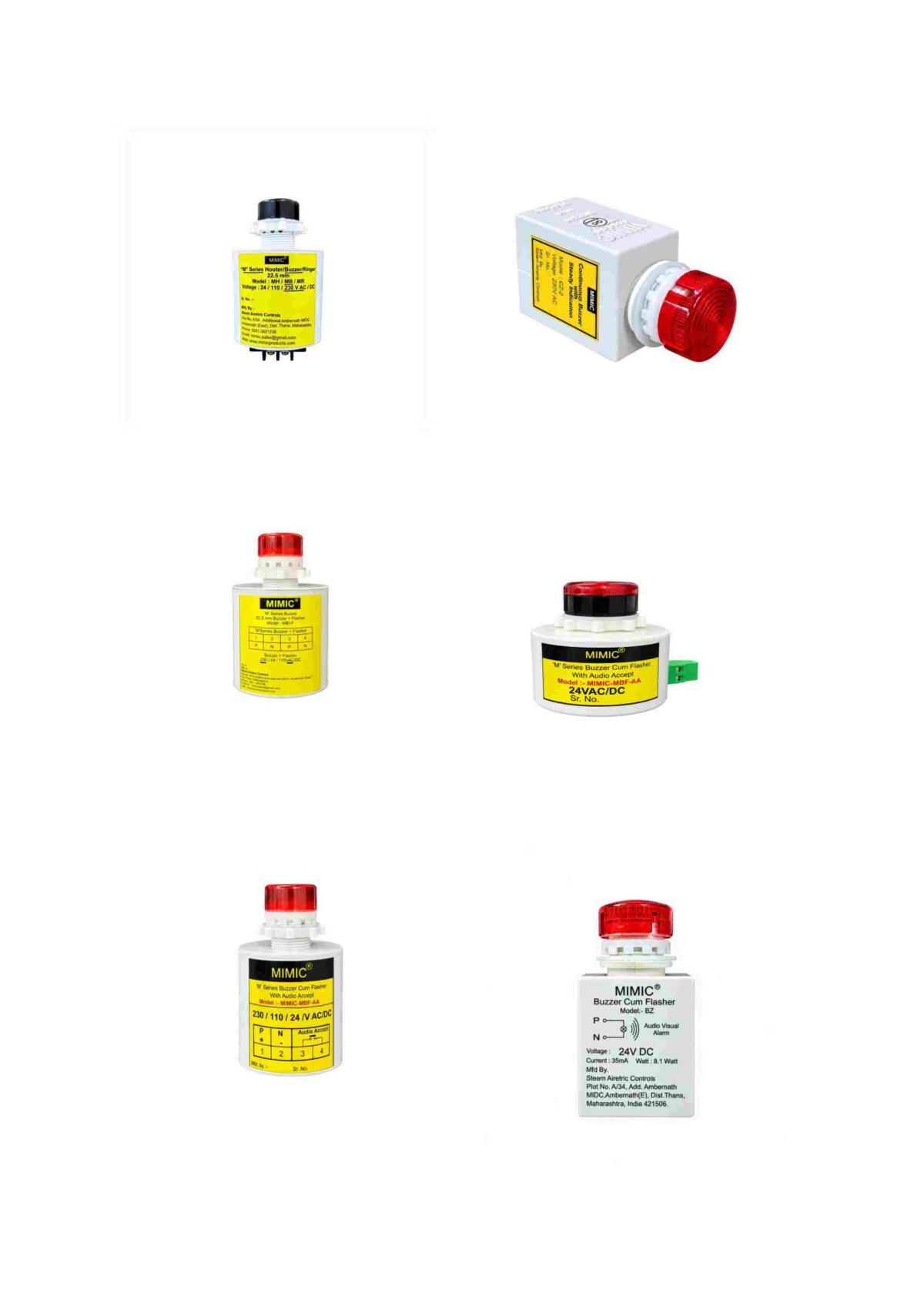
Buzzer cum flasher devices bring these two functions together in one compact unit. They can be integrated into suitable electrical control panels and industrial monitoring arrangements to communicate predefined warning conditions.
Understanding their working principles, practical applications, and selection requirements helps businesses choose suitable signalling equipment for their operational needs.
1. The Importance of Warning Communication in Industrial Safety
Industrial facilities involve different electrical and mechanical processes. Operators may need to monitor machinery, production lines, control panels, and other equipment simultaneously.
Without an effective warning arrangement, identifying an abnormal condition may take longer than expected. This can lead to production interruptions, delayed maintenance, or unnecessary equipment downtime.
Warning devices help address this requirement by providing a notification when a connected control system identifies a particular condition.
Some important purposes include:
-
Notifying operators about equipment-related faults.
-
Communicating unexpected machine stoppages.
-
Supporting routine monitoring of electrical systems.
-
Drawing attention to predefined process interruptions.
-
Helping maintenance personnel identify situations requiring inspection.
A suitable warning arrangement makes it easier for personnel to recognise when equipment needs attention.
2. How Combined Audible and Visual Signals Improve Alert Recognition
Different working environments create different challenges for warning communication. For example, a flashing indicator may be difficult to notice when an operator is concentrating on another task. Similarly, a buzzer may become less noticeable in areas with continuous machinery noise.
Combining sound and light provides an additional method of communicating the same warning.
Audible Notification
The buzzer generates sound when activated by a compatible electrical control circuit. This can attract attention even when personnel are not looking directly at the equipment.
Visual Notification
The flashing light provides a visible indication that can be recognised from a suitable viewing position.
Combined Warning
Both indications work together to make an active warning more noticeable. This arrangement is useful for electrical panels, machine control stations, and industrial monitoring applications.
The effectiveness of the warning still depends on suitable sound output, light visibility, installation location, and the working environment.
3. Common Warning Conditions in Industrial Applications
Industrial signalling equipment can be connected to different monitoring and control arrangements. Its purpose depends on the condition being monitored and the way the electrical circuit is designed.
Some examples include:
Machine Stoppage: A warning can notify operators when a machine stops unexpectedly or when a production process is interrupted.
Electrical Fault Indication: A control circuit may activate the warning device when a relay or monitoring component detects a predefined electrical fault.
Process Interruption: In automated production environments, a warning can communicate when a process does not proceed according to its programmed sequence.
Equipment Monitoring: Warning devices can help communicate abnormal conditions detected by connected sensors or controllers.
Maintenance Alerts: Certain control arrangements use warning indications to notify personnel when inspection or maintenance attention is required.
It is important to distinguish between general warning signalling and certified safety protection. A buzzer cum flasher does not independently detect or prevent every hazardous condition. Its function depends on the connected monitoring and control system.
4. Important Technical Features to Consider
Selecting suitable signalling equipment requires reviewing the product's specifications and the requirements of the installation.
Operating Voltage
Voltage compatibility is essential for safe and reliable operation. Buyers should check whether the selected model supports the available AC or DC supply.
Audible Performance
The sound output should be appropriate for the workplace. A warning signal must be sufficiently noticeable in the intended operating area.
Flashing Light Visibility
The LED indication should be easy to recognise from the operator's normal working position. Colour selection should follow the site's signalling practices.
Mounting Arrangement
Panel dimensions and available mounting space should be checked before purchasing. Compatible cutout dimensions help simplify installation.
Construction Quality
The device housing should be suitable for the surrounding conditions. Temperature, dust, moisture, and vibration may influence the choice of product.
Electrical Compatibility
The warning device should be suitable for the intended relay, PLC output, or other control arrangement. Electrical ratings and connection requirements must be verified before installation.
5. Industrial Applications of Buzzer Cum Flasher Devices
A combined warning device can be useful in several industries where audible and visual indications are required.
Electrical Control Panels
Electrical panels manage different circuits and equipment functions. Warning devices can communicate abnormal conditions identified by connected monitoring circuits.
Manufacturing Plants
Production facilities use several machines and workstations. Combined warning signals can help operators identify equipment interruptions and predefined fault conditions.
Automation Systems
Automation installations depend on controllers, sensors, and electrical interfaces. A compatible warning device can provide notifications when a programmed condition occurs.
Industrial Machinery
Machines used in manufacturing and processing may require warning indications for operational interruptions or equipment-related faults.
Material Handling Systems
Conveyors, lifting equipment, and other material handling installations can incorporate suitable warning arrangements to communicate specific operating conditions.
Parking and Vehicle Lift Applications
Combined warning indications can also be considered for appropriate parking systems and vehicle elevator installations, depending on the equipment's design and safety requirements.
6. Why a Combined Warning Unit Can Be Convenient for Panel Designers
Electrical panel manufacturers must consider component placement, wiring arrangements, available space, and maintenance accessibility while designing control panels.
Using a combined buzzer and flashing indicator can simplify certain signalling arrangements.
Some practical advantages include:
-
Integrated functionality: Audible and visual warning functions are available in one unit.
-
Compact arrangement: It can reduce the number of separate components needed for suitable applications.
-
Panel design convenience: A compatible device can be incorporated into an appropriately designed control panel.
-
Dual indication: Operators receive warning information through sound and light.
-
Flexible configurations: Different models may offer different voltage and visual indication options.
The final selection should always be based on the technical requirements of the control panel rather than assuming that every model supports the same functions.
7. Installation and Testing: Important Steps for Reliable Operation
Correct installation is necessary to ensure that a warning device performs its intended signalling function.
Before installation, technicians should check the product's technical documentation, wiring diagram, voltage rating, and mounting requirements.
The following practices are useful:
-
Confirm the operating voltage of the control circuit.
-
Check the mounting dimensions and available panel space.
-
Connect the device according to the manufacturer's wiring instructions.
-
Ensure that the audible signal can be recognised within the intended area.
-
Position the flashing indicator where operators can see it clearly.
-
Test both warning functions after completing the installation.
-
Verify that the control system activates the device under the intended conditions.
Testing should be conducted by qualified personnel using appropriate electrical safety procedures.
8. Routine Maintenance for Industrial Warning Equipment
Regular maintenance helps confirm that warning devices remain functional throughout their service life.
Maintenance personnel should periodically examine the buzzer sound, LED flashing function, wiring connections, terminal condition, mounting stability, and device housing.
Dust accumulation, loose connections, damaged cables, or physical deterioration may affect performance. Any identified problem should be investigated and corrected according to the manufacturer's recommendations.
A planned inspection schedule also helps ensure that warning devices remain part of the facility's regular equipment maintenance process.
9. Exploring Industrial Buzzer Cum Flasher Solutions from Mimic Products
Mimic Products offers electrical switchgear components and industrial signalling equipment for different panel and automation requirements.
Its buzzer cum flasher category features devices that combine audible and flashing visual indications in a compact arrangement. These products can be considered for suitable electrical control panels, industrial machinery, and automation signalling applications.
Depending on the selected model, buyers can explore different operating voltage options, LED indication colours, and mounting configurations.
The product range is relevant to:
-
Electrical panel manufacturers.
-
Industrial automation professionals.
-
Electrical contractors.
-
Equipment manufacturers.
-
Industrial maintenance teams.
-
Control panel designers.
Businesses looking for combined warning devices can explore the available options through the official product category:
Reviewing individual model specifications helps buyers identify a product that matches their electrical supply, installation space, and warning requirements.
Conclusion
Effective warning communication is an important part of industrial equipment monitoring and safety management. Operators need clear notifications when connected machinery or electrical systems experience abnormal conditions.
An Audio visual alarm provides audible and visual indications through a combined warning arrangement. This makes it a useful option for suitable electrical control panels, automated systems, manufacturing facilities, and industrial machinery.
When selecting a buzzer cum flasher, businesses should evaluate operating voltage, sound output, LED visibility, construction, mounting requirements, and environmental conditions. Proper installation and routine testing are equally important for maintaining reliable warning communication.
Mimic Products offers buzzer cum flasher solutions for electrical switchgear and industrial signalling applications. Exploring its product range can help industrial buyers understand the available options for their control panel requirements.









Comments (0)