

Can IV Drip Therapy Help Support Hydration During Busy Daily Routines?
how IV drip therapy supports hydration, what to expect during treatment, and why medical assessment matters when considering IV hydration in Dubai.

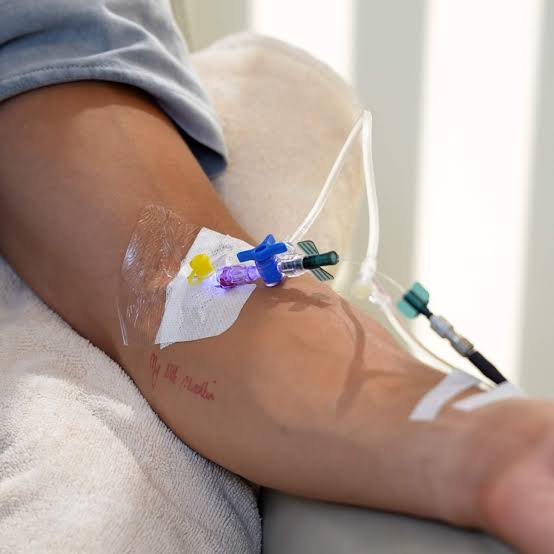
Modern lifestyles can make maintaining proper hydration more challenging than expected. Long working hours, frequent meetings, travelling, physical activities, and demanding personal responsibilities can sometimes cause people to overlook their daily fluid intake. Even when water is readily available, busy schedules may make it difficult to maintain consistent hydration habits.
Hydration is essential for several important bodily functions, including temperature regulation, circulation, digestion, and maintaining normal cellular activity. When the body loses more fluids than it takes in, dehydration can develop.
For individuals with demanding routines, IV drip in Dubai therapy may be considered as a medical option for delivering fluids directly into the bloodstream. However, it is important to understand when this approach may be appropriate and why professional assessment is necessary.
How Does IV Drip Therapy Support Hydration?
IV drip therapy involves administering fluids through a small intravenous catheter inserted into a vein. Unlike drinking water, which is absorbed through the digestive system, intravenous fluids enter the bloodstream directly.
Medical professionals may use IV fluids to address dehydration when oral fluid intake is insufficient or when a person's medical condition requires intravenous replacement.
Depending on individual needs, healthcare providers may select different fluid formulations. Some IV solutions contain electrolytes that help maintain fluid balance and support normal nerve and muscle function.
The type and amount of fluid depend on several factors, including hydration status, medical history, existing health conditions, and the underlying reason for fluid loss.
IV hydration is not automatically necessary for everyone with a busy lifestyle. People who can maintain hydration through regular drinking generally do not need intravenous fluids simply because their schedules are demanding.
Why Busy Professionals May Experience Hydration Difficulties
People working in fast-paced environments sometimes develop habits that interfere with regular hydration.
Several everyday situations can contribute to inadequate fluid intake:
-
Long working hours: Extended meetings and continuous tasks may cause people to forget drinking water.
-
Frequent travelling: Air travel, changing schedules, and limited access to water can affect hydration habits.
-
Physical activity: Exercise and outdoor activities increase fluid requirements, particularly in hot weather.
-
High temperatures: Dubai's warm climate can increase sweating and fluid loss, especially during outdoor activities.
-
Irregular routines: Busy schedules may interfere with consistent eating and drinking patterns.
Recognising these factors can help individuals make better decisions about their hydration needs.
Potential Benefits of IV Hydration for Suitable Individuals
When medically indicated, IV fluids can help restore fluid balance more directly than oral intake. Their use depends on the person's condition and clinical assessment.
Some potential advantages include:
Direct Fluid Delivery
IV fluids enter the bloodstream without passing through the digestive system. This can be useful for people who cannot drink enough fluids or have difficulty absorbing them.
Electrolyte Replacement
Certain intravenous solutions contain electrolytes such as sodium and potassium. These minerals contribute to normal fluid regulation and muscle and nerve function. Their replacement should be based on medical requirements.
Individualised Fluid Management
Healthcare professionals can select an appropriate fluid type and administration rate according to the patient's hydration status and medical history.
Support During Certain Medical Situations
IV hydration may be recommended in situations involving significant fluid loss, persistent vomiting, diarrhoea, or other conditions where oral hydration is inadequate.
It is important to remember that IV drip therapy is not a guaranteed energy booster, immunity treatment, or solution for everyday tiredness. Its benefits depend on the underlying medical need.
IV Drip Therapy vs Drinking Water: What Is the Difference?
Drinking water remains the primary and most practical way for most healthy individuals to maintain everyday hydration.
Water is absorbed through the digestive system and helps replace normal fluid losses. For mild dehydration, increasing oral fluid intake is often sufficient.
IV hydration works differently because fluids are delivered directly into the bloodstream. It is generally reserved for situations where clinical assessment identifies a reason for intravenous treatment.
|
Drinking Water |
IV Drip Therapy |
|---|---|
|
Suitable for everyday hydration |
Used when medically appropriate |
|
Absorbed through digestion |
Delivered directly into the bloodstream |
|
Easily accessible |
Requires professional administration |
|
Supports routine fluid replacement |
Can address specific fluid replacement needs |
Neither approach should be considered universally better. The appropriate option depends on individual health requirements.
Who Should Consider Medical Assessment Before IV Drip Therapy?
Although IV hydration can be beneficial in appropriate circumstances, it is not suitable for everyone.
Individuals with kidney disease, heart conditions, high blood pressure, or certain electrolyte imbalances may require additional precautions. Excessive or inappropriate fluid administration can lead to complications, including fluid overload and electrolyte disturbances.
People experiencing persistent dizziness, reduced urination, unusual weakness, or ongoing vomiting should seek medical evaluation rather than relying on wellness treatments.
Severe dehydration, confusion, fainting, or signs of circulatory problems require urgent medical attention.
A healthcare professional should review medical history, current symptoms, medications, and hydration status before recommending IV fluids.
What to Expect During an IV Drip Appointment
An IV drip appointment generally begins with a consultation and medical assessment. The healthcare professional reviews the patient's concerns, medical history, and suitability for treatment.
If intravenous hydration is appropriate, the selected fluid is administered through a catheter placed in a vein. The administration rate and volume depend on the prescribed treatment plan.
During the session, healthcare staff should monitor the patient for discomfort, swelling, pain, or other unexpected reactions.
After treatment, patients may receive guidance about maintaining hydration through regular fluid intake, balanced nutrition, and appropriate lifestyle habits.
IV Drip Therapy at Tajmeels Clinic in Dubai
At tajmeels clinic dubai, patients considering IV drip therapy can discuss their hydration concerns and wellness goals during a professional consultation. An individualised approach should begin with reviewing medical history, existing health conditions, medications, and suitability for intravenous fluids.
The clinic-based assessment helps determine whether IV hydration is an appropriate option or whether conventional hydration methods and further medical evaluation would be more suitable. Patient safety, appropriate fluid selection, and professional supervision are important considerations throughout the treatment process.
Healthy Hydration Habits for Everyday Life
IV drip therapy should not replace healthy daily hydration practices. Individuals with demanding schedules can support their fluid balance through simple habits.
-
Keep a reusable water bottle nearby during working hours.
-
Drink water regularly rather than waiting until feeling thirsty.
-
Increase fluid intake appropriately during physical activity.
-
Include water-rich foods such as cucumbers, oranges, and watermelon.
-
Pay attention to fluid requirements during hot weather.
-
Consider oral rehydration solutions when appropriate for fluid and electrolyte losses.
These habits can help support normal hydration without unnecessary medical interventions.
Final Thoughts
IV drip therapy can support hydration in certain medical situations, particularly when oral fluid intake is insufficient or fluid replacement requires professional management. However, it is not necessary for everyone with a demanding daily routine. Understanding personal hydration needs, recognising dehydration symptoms, and seeking professional medical advice are essential steps. A suitable assessment at Tajmeels Clinic can help individuals explore whether IV drip therapy is appropriate for their health and wellness requirements.
More Information
Tajmeels Clinic Dubai
WhatsApp: +971 56 203 8751
Phone: tel:+971 43739000
Social Media:
Tajmeels clinic is different from other cosmetic resorts because our doctors are specialized in their fields from the best organizations in the world







Comments (0)