

Why Do Some Moles Change Shape or Colour Over Time?
why moles change shape or colour over time, which skin changes require attention, and when to seek professional mole assessment in Dubai.

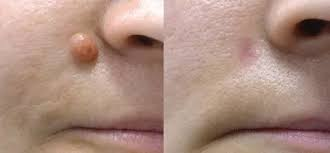
Mole Removal in Dubai are common skin growths that can appear anywhere on the body. They may develop during childhood, adolescence, or adulthood and can vary in size, shape, and colour. While most moles are harmless, some may gradually change their appearance over time. These changes can happen for several reasons, including hormonal fluctuations, ageing, sun exposure, and changes in pigment-producing skin cells. However, noticeable changes in an existing mole should never be ignored because they can sometimes indicate an underlying skin condition.
Understanding why moles change and recognising unusual warning signs can help individuals make informed decisions about their skin health. Knowing when to seek professional advice is particularly important for people considering mole removal in Dubai.
What Causes Moles to Change Shape or Colour?
Moles develop when melanocytes, the cells responsible for producing skin pigment, grow in clusters rather than spreading evenly throughout the skin. Their appearance can change throughout life due to different biological and environmental factors.
Some common reasons include:
1. Hormonal Changes
Hormonal fluctuations during puberty, pregnancy, and other life stages can influence the appearance of existing moles. Some may become darker, slightly larger, or more noticeable during these periods.
These changes are not necessarily dangerous, but new or unusual developments should be evaluated by a qualified healthcare professional.
2. Ageing and Natural Skin Changes
Skin changes naturally as people grow older. Some moles may become raised, lighter, darker, or softer over time. Others may gradually fade.
Although gradual changes can occur with ageing, a mole that develops an unusual appearance or changes noticeably should receive professional attention.
3. Sun Exposure
Ultraviolet (UV) radiation from sunlight can affect skin pigmentation and damage skin cells. Frequent sun exposure may make existing moles appear darker and increase the risk of developing skin cancer.
Protecting the skin with broad-spectrum sunscreen, protective clothing, and shade can help reduce UV-related skin damage.
4. Changes in Pigment-Producing Cells
Moles contain clusters of melanocytes, which produce melanin. Variations in pigment production can influence their colour and appearance. A mole may become darker, lighter, or develop different shades.
However, multiple colours within one mole, particularly when accompanied by other changes, require medical evaluation.
When Should You Be Concerned About a Changing Mole?
Not every change in a mole indicates a serious problem. However, certain features can be warning signs of melanoma, a type of skin cancer that develops from pigment-producing cells.
The ABCDE rule is a useful way to recognise suspicious changes:
-
A – Asymmetry: One half of the mole does not match the other half.
-
B – Border: The edges appear irregular, uneven, blurred, or poorly defined.
-
C – Colour: The mole contains different colours, such as brown, black, red, white, or blue.
-
D – Diameter: The mole is larger than approximately 6 millimetres, although melanomas can also be smaller.
-
E – Evolving: The mole changes in size, shape, colour, elevation, or appearance over time.
Other warning signs include persistent itching, bleeding, crusting, tenderness, or a sore that does not heal.
A changing mole should be assessed even if it does not display all these characteristics. Early professional evaluation is important because melanoma can develop in different ways.
Can a Mole Change Without Being Harmful?
Yes. Many moles undergo harmless changes throughout a person's life. Some become lighter with age, while others may become slightly raised or develop small differences in pigmentation.
Skin irritation can also temporarily affect the appearance of a mole, particularly in areas exposed to shaving, clothing friction, or jewellery.
However, it is difficult to determine whether a changing mole is harmless simply by looking at it. A dermatologist may examine the area using dermoscopy, a specialised technique that provides a closer view of skin structures and pigmentation.
If a mole appears suspicious, a biopsy may be recommended. This involves taking a small tissue sample for laboratory examination to determine whether abnormal cells are present.
How Can You Monitor Changes in Existing Moles?
Regular skin observation can help individuals notice changes early. Keeping track of existing moles is especially useful for people who have numerous moles, a personal or family history of melanoma, or significant sun exposure.
Consider these practical steps:
-
Examine your skin regularly in a well-lit room.
-
Check areas that are not always visible, including your back, scalp, and feet.
-
Take clear photographs of existing moles to compare their appearance over time.
-
Look for changes in colour, size, shape, or texture.
-
Avoid scratching, cutting, or attempting to remove moles at home.
-
Arrange a professional skin assessment if you notice unusual changes.
Self-monitoring does not replace professional skin examinations. People at increased risk of skin cancer may require regular dermatological follow-ups.
When Is Professional Mole Removal Necessary?
Mole removal may be considered for medical or cosmetic reasons. If a mole has suspicious features, a healthcare professional may recommend removal or biopsy so the tissue can be examined under a microscope.
Cosmetic removal may also be considered when a mole causes discomfort, catches on clothing, or affects an individual's appearance. However, a mole should be assessed before any cosmetic procedure.
Treatment options depend on the mole's characteristics, location, depth, and clinical findings. These may include surgical excision or other techniques in carefully selected cases.
It is important to understand that laser treatment is not suitable for every mole. Suspicious lesions generally require appropriate diagnostic evaluation, and removing a mole without preserving tissue for examination may delay an accurate diagnosis.
Mole Assessment at Tajmeels Clinic in Dubai
At tajmeels clinic dubai, individuals considering mole removal in Dubai can discuss their skin concerns and treatment expectations during a professional consultation. An appropriate assessment should consider the mole's appearance, location, size, history of changes, and any associated symptoms.
Where a mole appears suspicious, referral for dermatological evaluation and appropriate diagnostic testing is important before cosmetic removal is considered. Treatment recommendations should be based on individual clinical findings rather than appearance alone.
Patients can also discuss suitable removal approaches, expected healing, possible scarring, and aftercare requirements. Understanding these factors helps individuals make informed decisions about their skin health and cosmetic goals.
How to Maintain Healthy Skin After Mole Assessment or Removal
Following professional advice is essential for maintaining healthy skin. If a mole has been removed, keeping the treatment area clean and following wound-care instructions can support healing.
Patients should avoid unnecessary sun exposure while the skin recovers and use appropriate sun protection once advised by their healthcare professional. They should also attend recommended follow-up appointments, particularly when laboratory examination has been performed.
Any new bleeding, increasing redness, swelling, discharge, or worsening pain around a healing wound should be reported to the treating healthcare professional.
Conclusion
Moles can change shape or colour because of hormonal fluctuations, ageing, sun exposure, and natural variations in skin pigmentation. While many changes are harmless, evolving moles, irregular borders, multiple colours, and unusual symptoms require professional assessment. Understanding these warning signs helps individuals take a proactive approach to skin health. Before considering mole removal, an appropriate evaluation can help identify the safest and most suitable next steps.
More Information
Tajmeels Clinic Dubai
WhatsApp: +971 56 203 8751
Phone: tel:+971 43739000
Social Media:

Tajmeels clinic is different from other cosmetic resorts because our doctors are specialized in their fields from the best organizations in the world









Comments (0)