

What Is Ketamine Therapy and How Does It Work?
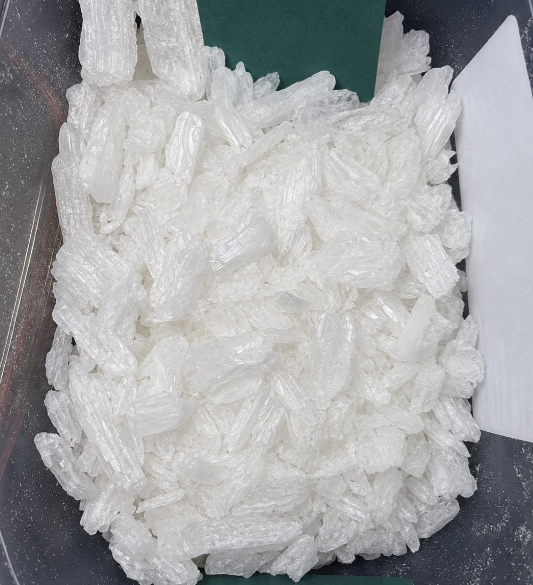
Is it possible for a decades old anesthetic to become the most significant breakthrough in mental health treatment in over fifty years? While many people recognize this substance primarily for its role in operating rooms or its history in subcultures, medical professionals now use it to help individuals with treatment resistant conditions. You might find the shift from surgical tool to psychological lifeline quite surprising - this therapy offers a different path for those who do not respond to traditional pills.
Ketamine functions differently than standard antidepressants that target serotonin or norepinephrine. Instead of just adjusting chemical levels, it helps the brain rebuild connections - this process is similar to repairing a damaged highway so traffic can flow smoothly again. You are likely curious about how a single substance can manage such diverse roles in medicine.
Understanding Ketamine as a Substance
Before you explore the therapy, you should understand what the core substance actually is. Doctors classify it as a dissociative anesthetic, which means it can distort perceptions of sight and sound while producing feelings of detachment. To grasp the full scope of its medical profile, you can learn more about what type of drug is ketamine and its various classifications.
In a therapeutic setting, the dosage is much lower than what a surgeon uses for anesthesia. The experience is often described as a "time-out" from the usual heavy weight of negative thoughts. Because the substance is regulated, patients receive it under strict supervision to ensure the experience remains helpful rather than overwhelming.
The Science Behind the Treatment
The primary mechanism involves a neurotransmitter called glutamate - this is the most abundant chemical messenger in your brain and plays a huge role in how you learn and remember things. Ketamine blocks specific receptors, which triggers a sequence of events that encourages the growth of new neural pathways.
- Synaptic Plasticity It helps the brain stay flexible and adaptable.
- Glutamate Surge A temporary increase in this chemical helps "reset" certain brain circuits.
- Rapid Response Compared to traditional meds, the chemical changes happen almost immediately.
By stimulating these growth factors, the brain can literally "rewire" itself away from the ruts of chronic low moods. You aren't just masking symptoms - you are potentially changing the physical structure of your neural network - this biological refresh is why so many researchers are excited about its potential.
Timeline for Mental Health Improvements
One of the most common questions is how quickly a person might feel a difference. Standard SSRIs often take six to eight weeks to show any results, which is a long time to wait when you are struggling. Many patients report feeling a lift in their mood within hours or days after their first session. If you are looking for specific details on the recovery schedule, you can read about how long does it take ketamine to work for depression to manage your expectations.
The duration of these effects varies between individuals - Some people find that a single session provides a week of relief, while others require a series of treatments to stabilize their mood for months. Consistency is usually the key to maintaining the progress made during the initial "induction" phase of the therapy.
Clinical Environments & Patient Safety
Safety is the top priority in any legitimate medical facility. You should never attempt to use this substance for self medication outside of a doctor's care. In a clinic, staff monitor your heart rate, blood pressure and oxygen levels throughout the entire process - this ensures that any side effects, like temporary dizziness or nausea, are handled quickly by experts.
Common safety protocols include
- Pre-treatment screening for heart conditions or history of psychosis.
- Continuous vital sign monitoring during the infusion or administration.
- A mandatory recovery period where you rest until the dissociative effects fade.
Professional oversight makes the difference between a risky experience and a life changing medical intervention. When done correctly, the risks are low and the potential for profound emotional healing is high. If you are interested in exploring availability, you can check options to buy ketamine through appropriate medical channels or pharmacies with a valid prescription.
FAQ
Is ketamine therapy addictive?
When administered in a controlled clinical setting at low doses, the risk of developing an addiction is very small. Doctors carefully schedule sessions to prevent dependency while maximizing the therapeutic benefits for your brain.
What does the treatment feel like?
Many individuals describe a floating sensation or a feeling of being disconnected from their physical body. You might see colors or shapes if your eyes are closed but you remain aware that you are in a doctor's office and are safe.
Can I drive home after a session?
No, you cannot drive yourself home - Because the substance affects your coordination and judgment for multiple hours, clinics require you to have a responsible adult pick you up or use a ride sharing service.
Are the results permanent?
For some, the results can be long lasting but many patients benefit from "booster" sessions every few weeks or months. It is often used as a tool to help you engage better with other therapies, like talk therapy or lifestyle changes.
Dark Web Market Supply is an online marketplace information platform focused on digital marketplace trends, online privacy, cybersecurity awareness, and the evolving world of internet commerce. Our goal is to provide visitors with an accessible place to explore marketplace information, understand digital services, and learn about the security considerations associated with online environments. By bringing relevant topics together in one centralized resource, we aim to make digital research more convenient, informative, and straightforward.










Comments (0)