

Ready For Site: How a CSCS Card Course in London Can Help You Start a Construction Career?

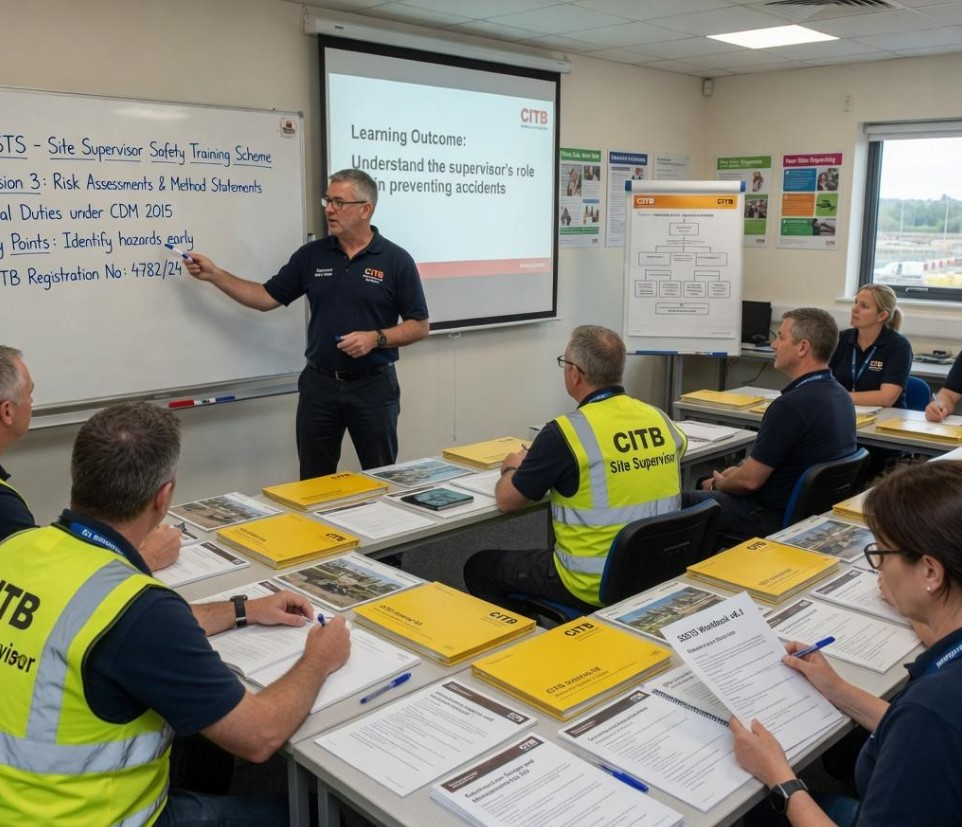
The construction industry offers opportunities for people with different skills, experience levels, and professional ambitions. From residential developments to large commercial projects, construction workers contribute to building and maintaining the environments people use every day. However, entering this industry requires an understanding of workplace safety, professional responsibilities, and the qualifications expected by employers. Ready For Site supports individuals interested in construction education by providing training and testing guidance that helps them prepare for industry-related requirements.
Choosing a suitable CSCS card Course in London can be an important step for individuals planning to work on construction sites. The right course helps candidates understand essential health and safety principles while preparing them for the qualification requirements associated with relevant CSCS card categories. Whether someone is completely new to construction or looking to formalize existing knowledge, understanding the available training options can make the process more straightforward. Proper preparation also helps individuals develop awareness that remains useful throughout their working careers.
Understanding the Purpose of CSCS Cards
The Construction Skills Certification Scheme (CSCS) operates a card system that helps demonstrate whether individuals have the qualifications and training relevant to their construction occupations. These cards are used across many parts of the UK construction sector, allowing employers and site managers to check workers' occupational qualifications and health and safety knowledge. Different card categories are available depending on a person's job role, experience, and qualifications.
A CSCS card is not simply a general construction certificate. Applicants must satisfy the specific requirements associated with the card they intend to obtain. These may include holding an appropriate construction-related qualification and passing the relevant CITB Health, Safety and Environment test. Understanding these requirements before enrolling in a course is important because it helps candidates choose training that supports their intended career pathway.
Why Construction Training Is Important for Beginners?
Starting work on a construction site can involve unfamiliar equipment, materials, working procedures, and potential hazards. Beginners need to understand how to recognize risks, follow instructions, and protect themselves and others during daily activities. Without suitable preparation, even routine tasks can become challenging. Health and safety education provides a foundation that helps new workers understand their responsibilities before entering a professional construction environment.
Enrolling in a CSCS card Course in London gives candidates an opportunity to develop knowledge of essential workplace practices. Training may cover topics such as manual handling, working at height, fire safety, personal protective equipment, hazard identification, and accident prevention. These subjects introduce learners to the standards expected on construction sites. Developing this awareness early can help individuals become more responsible workers and better understand the importance of following established safety procedures.
What to Expect from a CSCS Card Course?
A suitable course should explain the basic health and safety principles that construction workers need to understand. Learning materials may introduce common site hazards, safe working practices, emergency procedures, and the responsibilities of different people within a construction team. For individuals without previous site experience, clear explanations and practical examples can make unfamiliar subjects easier to understand.
The structure of a CSCS card Course in London may vary depending on the qualification being offered and the provider's training arrangements. Some courses are designed to help eligible candidates meet the requirements for the CSCS Green Card, while others support different occupational pathways. Candidates should confirm the exact qualification included, its recognition, course duration, and assessment arrangements before enrolling. This ensures that their chosen programme is appropriate for their intended application.
Preparing for the CITB Health and Safety Test
The CITB Health, Safety and Environment test is an important requirement for many CSCS card applications. It assesses a candidate's knowledge of construction health and safety subjects, including recognizing hazards, understanding safety signs, using protective equipment, and following appropriate workplace procedures. The correct test category depends on the type of card or occupational pathway being pursued, so candidates should check the current requirements before booking an examination.
Preparation should involve regular learning rather than relying on last-minute revision. Candidates can review relevant study materials, complete practice questions, and use mock tests to become familiar with the assessment format. Understanding why particular safety procedures are necessary is more valuable than simply memorizing answers. A structured learning approach can improve confidence and help individuals develop knowledge that is applicable to real construction environments.
Choosing a Suitable Training Provider in London
London has a diverse construction sector, creating demand for training that supports people entering different areas of the industry. When comparing training providers, candidates should consider the location, course content, qualification recognition, available support, and clarity of the booking process. It is also useful to check whether the provider explains the difference between training qualifications, CITB testing, and CSCS card applications.
Ready For Site focuses on construction-related education, training, and testing guidance for individuals looking to develop their professional knowledge. People considering a CSCS card Course in London should review the available course information and confirm that the programme meets the requirements of their intended card category. Checking these details before making a commitment can help avoid unsuitable courses and make the overall qualification journey easier to manage.
Career Opportunities After Completing Construction Training
Construction training can provide a useful starting point for people interested in working across different parts of the building industry. Entry-level opportunities may include general labouring, site preparation, material handling, assisting skilled tradespeople, and maintaining organized working areas. These responsibilities contribute to the smooth operation of construction projects and provide opportunities to gain practical experience.
Completing the relevant training and meeting CSCS eligibility requirements can help candidates prepare for employment opportunities, although a course or card does not guarantee a job. Employers may also consider practical abilities, previous experience, communication skills, and the specific requirements of their projects. As workers develop their experience, they can explore additional qualifications and specialist training to expand their professional options.
Common Mistakes to Avoid When Applying for a CSCS Card
One mistake candidates should avoid is choosing a course without checking whether its qualification is accepted for the intended CSCS card category. Different cards have different eligibility requirements, and completing an unrelated course may not satisfy the application conditions. Applicants should always review the latest CSCS guidance and confirm the qualification they need before enrolling in a training programme.
Another common problem is confusing the CITB test with the CSCS card application itself. Passing the relevant test is an important requirement for many applicants, but it does not automatically result in a card. Candidates may also need to provide evidence of an appropriate qualification and meet other conditions. Keeping documents organized and following the correct application steps can help prevent unnecessary delays.
Building Professional Confidence Through Safety Awareness
Professional development in construction involves more than obtaining certificates. Workers must apply their knowledge when handling materials, operating around machinery, following site instructions, and communicating with colleagues. A good understanding of safety procedures helps individuals recognize when an activity may create unnecessary risks and when guidance from a supervisor is needed.
The knowledge gained through a CSCS card Course in London can contribute to a more responsible approach toward everyday construction duties. Workers who continue learning and remain aware of changing site conditions can improve their understanding of professional expectations. Ongoing training, practical experience, and attention to workplace procedures all contribute to long-term development within the construction industry.
Conclusion
Building a career in construction starts with understanding the industry's expectations and developing the knowledge required for safe and responsible work. CSCS qualifications help demonstrate that individuals meet relevant occupational and training requirements, while suitable courses introduce important health and safety principles. Choosing the correct program, preparing for the appropriate CITB test, and checking current application conditions can make the qualification process more organized.
Ready For Site supports individuals exploring construction training and testing pathways as they work toward their professional goals. Selecting an appropriate CSCS card Course in London can be a valuable step toward understanding workplace responsibilities and preparing for relevant qualifications. With consistent preparation, accurate information, and a commitment to continued learning, candidates can build a stronger foundation for entering the construction sector and developing their future careers.










Comments (0)