

Ironhorse Physical Therapy & Pilates: How San Ramon Physical Therapy Helps Improve Mobility, Strength, and Everyday Performance?

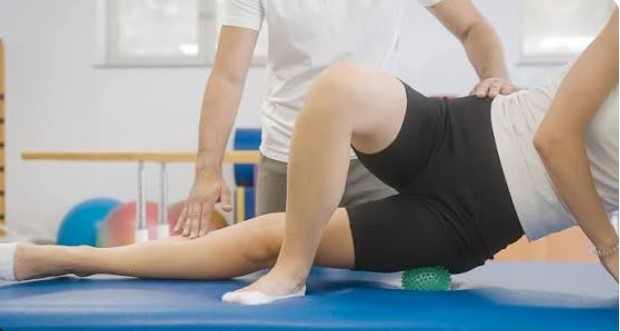
The ability to move comfortably plays an important role in maintaining independence, productivity, and an active lifestyle. Whether someone spends long hours at a desk, participates in recreational sports, or manages physically demanding responsibilities, the body experiences different forms of stress throughout the day. Poor movement habits, muscle imbalances, injuries, and limited flexibility can gradually affect physical performance. Ironhorse Physical Therapy & Pilates provides movement-focused services designed to help individuals address physical limitations and work toward better overall function.
Choosing San Ramon Physical Therapy can be a valuable step for individuals who want to improve mobility, recover from physical setbacks, or develop healthier movement patterns. Physical therapy is not limited to treating injuries after they occur. It can also help people understand their movement habits, strengthen important muscle groups, and improve the way their bodies handle everyday activities. A thoughtful rehabilitation approach focuses on individual needs rather than relying on the same exercises for every patient.
Understanding How the Body Develops Movement Problems
The human body relies on different muscles, joints, and connective tissues working together to produce smooth and coordinated movement. When one area becomes weak, restricted, or painful, other parts of the body may compensate. For example, limited hip mobility can influence walking mechanics, while reduced core strength may affect posture and stability. These changes can develop gradually, making it difficult for individuals to recognize the original source of their discomfort.
Physical therapy helps evaluate these movement patterns and identify areas that may need attention. A therapist may assess flexibility, strength, balance, posture, and functional movement to understand the patient's physical condition. This information can guide a treatment program that addresses specific limitations instead of concentrating only on the location where discomfort is felt. Understanding how the body works together creates a more informed foundation for rehabilitation.
Improving Daily Function Through Targeted Exercises
Everyday activities require a combination of strength, coordination, and flexibility. Standing for extended periods, climbing stairs, carrying groceries, and reaching overhead may become challenging when certain muscles are not functioning efficiently. Targeted therapeutic exercises can help individuals improve these abilities by gradually developing strength and control. Exercise selection depends on the patient's condition, current fitness level, and treatment objectives.
A structured San Ramon Physical Therapy program may include controlled strengthening movements, flexibility exercises, balance activities, and functional training. These exercises are selected according to individual assessment findings and can be adjusted as physical abilities improve. Consistent participation helps patients understand proper movement techniques while building confidence in performing routine activities. The objective is to make improvements that are useful both inside and outside the clinic.
Why Posture and Movement Awareness Matter?
Posture affects how the body distributes physical pressure during sitting, standing, walking, and working. Spending extended periods in one position may contribute to stiffness and discomfort, particularly when combined with limited movement throughout the day. However, good posture is not simply about holding the body in one fixed position. It also involves changing positions regularly, maintaining appropriate muscular support, and developing comfortable movement habits.
Physical therapy can help individuals recognize how their daily routines influence their bodies. Patients may learn practical strategies involving workstation positioning, movement breaks, lifting techniques, and exercises that support muscular endurance. These adjustments can make everyday activities more manageable and encourage healthier movement habits. Improving body awareness also helps individuals recognize when certain positions or activities create unnecessary physical strain.
Recovering From Sports Injuries With Professional Guidance
Sports injuries can affect people at different experience levels, from professional athletes to individuals who exercise occasionally. Running, cycling, weight training, and recreational games all involve repetitive or demanding movements. Muscle strains, ligament injuries, joint irritation, and overuse problems can interfere with participation and reduce confidence. Proper rehabilitation helps individuals address physical limitations while working toward a safe return to their preferred activities.
Sports-focused rehabilitation may involve restoring joint mobility, improving muscular strength, developing balance, and refining movement mechanics. Ironhorse Physical Therapy & Pilates offers services relevant to individuals interested in sports-related recovery and movement improvement. Treatment progression should reflect the injury, healing stage, and activity requirements of each person. Returning to demanding exercise gradually, with appropriate professional guidance, is an important consideration during recovery.
Pilates as a Complement to Physical Rehabilitation
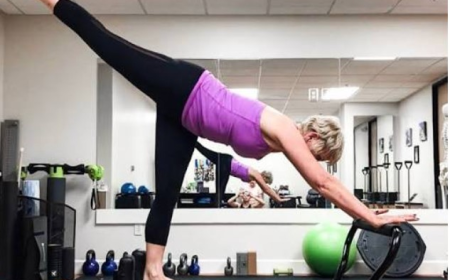
Pilates emphasizes controlled movement, core engagement, flexibility, breathing, and coordination. These principles can complement physical rehabilitation by encouraging better body awareness and movement control. Many exercises focus on developing stability while coordinating different muscle groups, which can be useful for individuals working to improve their general physical conditioning.
At Ironhorse Physical Therapy & Pilates, Pilates-based movement is an important part of the business's broader focus on physical wellness and rehabilitation. Depending on individual needs and professional recommendations, suitable exercises may support flexibility, muscular endurance, and postural awareness. Modifications can help accommodate different ability levels, although people with injuries or existing medical concerns should receive appropriate guidance before starting a new exercise routine.
Addressing Back, Neck, and Joint Discomfort
Discomfort involving the back, neck, shoulders, knees, or hips can affect concentration, sleep, physical activity, and daily responsibilities. These concerns may be associated with repetitive movements, reduced strength, previous injuries, or changes in joint mobility. Because different conditions can produce similar symptoms, understanding the underlying factors is an important part of selecting an appropriate treatment approach.
Physical therapy may include movement assessments, therapeutic exercises, mobility training, and other suitable interventions. The purpose is to improve physical function while helping patients understand how their movement habits influence their symptoms. Anyone experiencing persistent, severe, or unexplained pain should seek an appropriate medical evaluation before beginning treatment. A qualified professional can help determine whether physical therapy is suitable for the condition.
Specialized Rehabilitation for Pelvic Floor Health
Pelvic floor muscles contribute to core support and play an important role in bladder and bowel function. Changes in muscle strength, coordination, or tension can sometimes lead to difficulties that affect everyday comfort and confidence. These concerns can occur for different reasons and may require specialized assessment rather than general exercise alone.
Pelvic floor physical therapy focuses on understanding how these muscles function and identifying appropriate treatment strategies. Depending on individual circumstances, therapy may involve guided exercises, breathing techniques, relaxation methods, and coordination training. A personalized approach helps patients work toward functional goals while respecting their comfort and individual healthcare needs. Professional assessment is especially important because pelvic floor concerns can involve both excessive tension and muscle weakness.
Developing a Sustainable Approach to Physical Wellness
Long-term physical wellness depends on habits that support movement throughout different stages of life. Regular activity, adequate recovery, suitable exercise, and attention to changing physical needs can all contribute to better functional health. People do not necessarily need complicated exercise routines to remain active. Consistent, manageable activities that match their abilities can provide a practical starting point.
Exploring San Ramon Physical Therapy can help individuals understand how professional rehabilitation fits into a broader wellness routine. A therapist may recommend appropriate home exercises, gradual activity progression, and practical movement strategies that complement clinic-based sessions. Patients should communicate openly about their progress and any difficulties they experience so their treatment plans can be adjusted when necessary. Building sustainable habits can help support physical confidence and everyday independence.
Conclusion
Healthy movement is an important part of enjoying an active and productive lifestyle. From managing joint discomfort and recovering from sports injuries to improving flexibility and developing better movement control, physical therapy can address many functional challenges. The most effective approach begins with understanding individual needs and establishing realistic goals that support gradual improvement.
Ironhorse Physical Therapy & Pilates combines physical therapy, rehabilitation-focused services, and Pilates-based movement to support individuals working toward better physical function. Exploring San Ramon Physical Therapy can be a useful starting point for people who want to understand their movement limitations and consider suitable treatment options. With professional guidance, consistent participation, and healthy daily habits, individuals can work toward improved mobility, strength, and confidence in their everyday activities.









Comments (0)