

Reliable Weekly Swimming Pool Maintenance by Anomaly Pool Services
Keep your swimming pool clean and healthy with reliable weekly maintenance. Enjoy balanced water, clean surfaces, and dependable pool care.

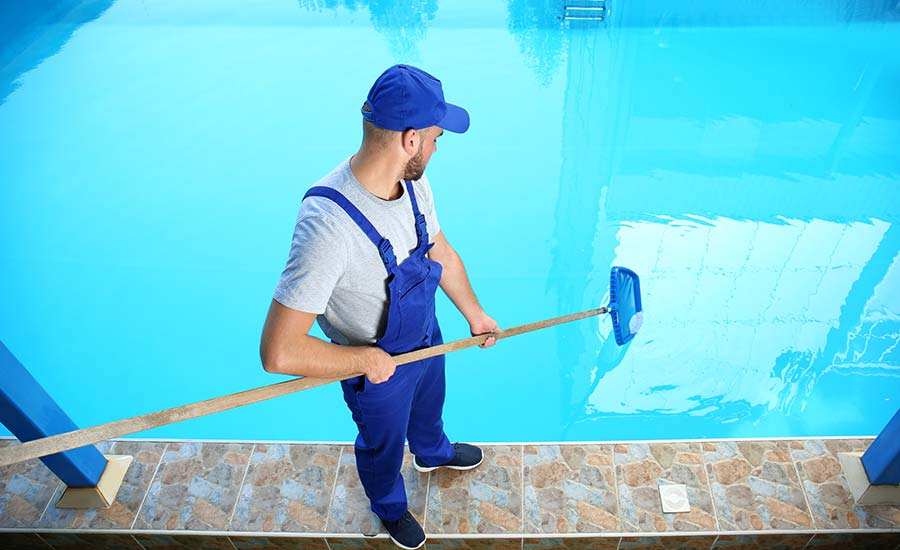
Owning a swimming pool is a great way to enjoy your backyard, relax with family, and stay comfortable during warm weather. However, keeping the water clean and the equipment working properly requires regular attention. Leaves, dust, insects, and everyday swimming activity can quickly affect pool conditions. Weekly swimming pool maintenance helps prevent these problems by keeping water balanced, removing debris, and supporting proper filtration. A consistent cleaning routine also protects your pool investment and makes swimming more enjoyable throughout the season.
Why Weekly Swimming Pool Maintenance Is Important
Swimming pools collect contaminants every day, even when nobody is using them. Wind can carry leaves and dust into the water, while sunlight and warm temperatures influence chemical levels. Without regular care, these conditions can lead to cloudy water, algae growth, unpleasant odors, and filtration problems.
Homeowners who choose a swimming pool weekly service benefit from a consistent maintenance routine that addresses these concerns before they become difficult to manage. Rather than waiting until the water looks dirty, weekly cleaning keeps the pool in better condition throughout the swimming season.
Regular maintenance provides several important benefits:
-
Keeps water clear and inviting.
-
Helps prevent algae and surface buildup.
-
Supports balanced chemical levels.
-
Improves filtration and water circulation.
-
Reduces unnecessary strain on pool equipment.
-
Makes routine pool ownership easier.
A dependable weekly schedule is especially useful during summer when higher temperatures and frequent swimming increase maintenance demands.
Essential Tasks Included in Weekly Pool Cleaning
Effective pool maintenance involves more than removing floating leaves. Several cleaning tasks must be completed to maintain water quality and keep the entire swimming area in good condition.
Skimming and Cleaning Debris Baskets
The water surface should be checked for leaves, insects, grass, and other floating materials. Skimming removes debris before it sinks and creates additional cleaning work.
Skimmer and pump baskets should also be emptied regularly. When these baskets become clogged, water circulation may decrease, affecting filtration performance.
Brushing Pool Walls and Floors
Dirt, algae, and mineral deposits can collect on pool walls, steps, corners, and floors. Brushing these areas helps loosen buildup and prevents it from becoming more difficult to remove.
Special attention should be given to areas with limited water movement. These spots may collect debris more easily and become common locations for algae growth.
Vacuuming the Swimming Pool
Vacuuming removes dirt and particles that settle at the bottom of the pool. Depending on the pool design, technicians may use manual equipment or an automatic cleaner.
Combining vacuuming with brushing and surface cleaning creates a more complete maintenance routine. These tasks help keep the pool looking clean while supporting better water quality.
Keeping Pool Water Chemistry Properly Balanced
Water chemistry is one of the most important parts of swimming pool maintenance. Even water that looks perfectly clear may contain chemical imbalances that affect swimmer comfort and equipment condition.
Monitoring Chlorine and pH Levels
Chlorine is commonly used to sanitize swimming pools and control unwanted microorganisms. Its concentration should be checked regularly to make sure the water receives appropriate sanitation.
The pH level is equally important. For most swimming pools, the recommended pH range is 7.2 to 7.8. When the level moves outside this range, swimmers may experience skin or eye irritation, and chlorine may become less effective.
Checking Additional Chemical Levels
A weekly water testing routine should also consider other important measurements:
-
Total alkalinity: Helps keep pH levels stable.
-
Calcium hardness: Helps protect pool surfaces and equipment.
-
Cyanuric acid: Helps protect chlorine from sunlight when applicable.
-
Free chlorine: Measures the sanitizer available in the water.
-
Combined chlorine: Helps identify chloramine buildup.
Proper testing allows technicians to make informed adjustments. Adding chemicals without checking the water first can create additional problems, so measurements should always guide treatment.
How Weekly Maintenance Protects Pool Equipment
Swimming pool equipment works continuously to keep water moving, filter contaminants, and support proper sanitation. Pumps, filters, skimmers, and circulation lines all play important roles in maintaining a clean swimming environment.
When maintenance is neglected, debris can restrict water flow and place extra pressure on equipment. Dirty filters may also reduce filtration efficiency, allowing particles to remain in the water.
Inspecting Pumps and Filters
Weekly maintenance provides an opportunity to check equipment performance and identify unusual changes. Technicians may inspect filter pressure, water flow, pump operation, and visible equipment conditions.
Some warning signs include:
-
Unusual pump noises.
-
Reduced water circulation.
-
Frequently increasing filter pressure.
-
Water returning through the jets with weak flow.
-
Persistent cloudiness despite regular cleaning.
Identifying these signs early can help prevent larger equipment problems and unexpected maintenance expenses.
Preparing for Seasonal Changes
Weather conditions influence how often a pool needs attention. During hot summer months, sunlight and higher water temperatures can affect sanitizer levels. Windy days and storms may introduce additional leaves, dust, and outdoor debris.
Consistent weekly pool care helps homeowners respond to these changing conditions. It also makes seasonal preparation and routine pool management more predictable.
Choosing a Reliable Weekly Pool Maintenance Provider
Selecting the right maintenance provider is important for keeping a swimming pool in good condition. Homeowners should look for professionals who understand water chemistry, cleaning methods, filtration systems, and different pool surfaces.
Before scheduling service, consider these factors:
-
Experience: Choose technicians familiar with residential swimming pool maintenance.
-
Consistent scheduling: Weekly visits should follow a dependable routine.
-
Water testing: Confirm that chemical levels are checked during service.
-
Equipment knowledge: Professionals should understand pumps, filters, and circulation systems.
-
Clear communication: Service recommendations should be explained in simple terms.
For homeowners who want dependable pool care, Anomaly Pool Services provides professional swimming pool cleaning and maintenance support focused on water quality, routine debris removal, and equipment care. Regular service helps keep swimming areas clean while reducing the time homeowners spend managing maintenance themselves.
Frequently Asked Questions
How often should a swimming pool be professionally cleaned?
Most residential swimming pools benefit from weekly professional cleaning. Pools exposed to heavy use, surrounding trees, or changing weather conditions may need additional attention.
What does weekly swimming pool maintenance include?
Weekly maintenance typically includes skimming, brushing, vacuuming, emptying baskets, checking filtration equipment, and testing water chemistry. Specific services depend on the maintenance package.
Can weekly pool cleaning prevent algae growth?
Regular brushing, proper circulation, and balanced sanitizer levels help prevent the conditions that encourage algae growth. Consistent maintenance also makes early signs easier to identify.
Does a swimming pool need chemical testing every week?
Weekly testing is a useful routine for most residential pools. Additional testing may be necessary during extreme heat, heavy swimming activity, or after significant rainfall.
Is weekly pool maintenance worth the investment?
Yes. Regular cleaning supports water quality, protects equipment, reduces maintenance demands, and helps prevent avoidable expenses associated with neglected pool conditions.
Conclusion
A clean and enjoyable swimming pool requires consistent attention to water chemistry, surface cleaning, filtration, and equipment performance. Weekly swimming pool maintenance helps prevent common problems, protects your investment, and keeps your backyard ready for relaxation and family activities. By following a dependable service schedule, homeowners can enjoy clearer water without spending hours handling every cleaning task themselves.
Make pool care easier with reliable professional maintenance. Call Now to discuss your needs and Schedule Your Weekly Pool Service Today!









Comments (0)