

Expert Retaining Wall Design and Installation by Driftwood Landscape - Pavers & Retaining Walls
Improve your outdoor space with expert retaining wall design and installation. Explore durable materials, drainage, and landscape solutions in Michigan.

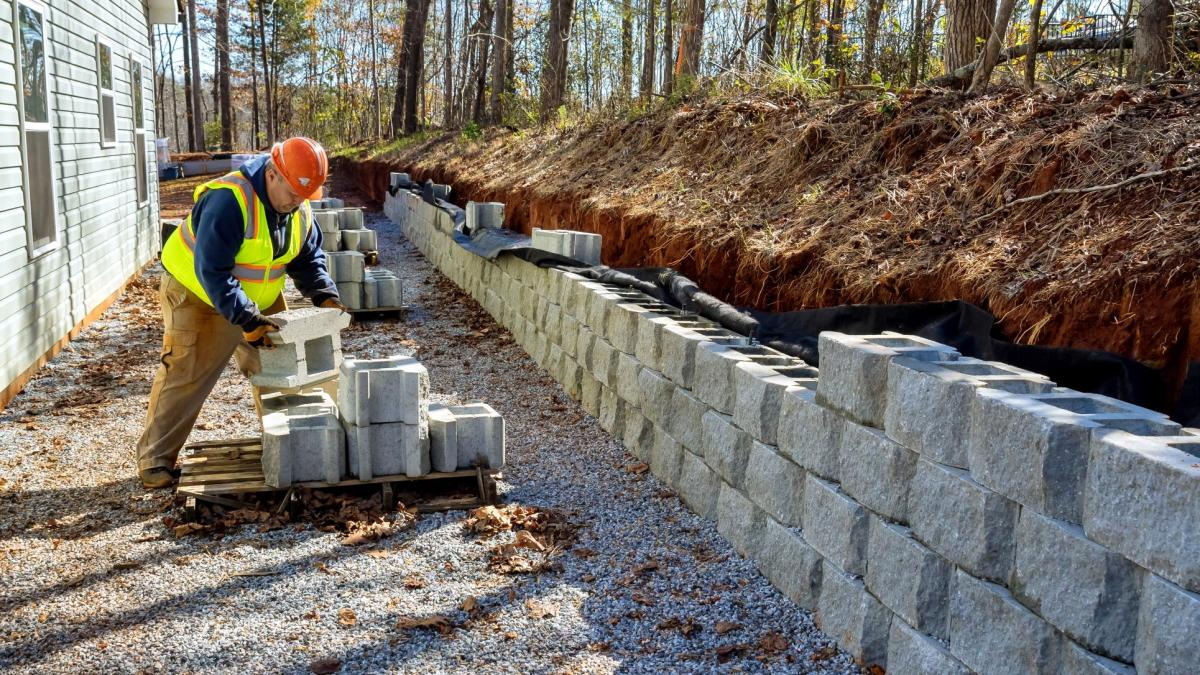
A well designed retaining wall can transform an uneven backyard into a more attractive, stable, and functional outdoor space. Whether your property has steep slopes, drainage concerns, or areas where soil continues to shift, the right wall can provide essential support while improving the overall landscape. Professional retaining wall design and installation helps homeowners create defined outdoor areas, protect their property, and make better use of available space. With suitable materials and careful planning, a retaining wall can become both a practical structure and an attractive feature of your landscape.
Why Professional Retaining Wall Installation Matters
Choosing retaining wall installation is a practical way to improve properties with uneven terrain and soil movement. A properly constructed wall holds back soil, creates level areas, and helps manage elevation differences throughout the yard. However, successful construction requires more than arranging blocks or stones. The foundation, wall height, soil conditions, and drainage system must all work together.
Professional planning helps ensure the structure is suitable for the conditions of your property. It also reduces the risk of problems caused by poor preparation or inadequate water management.
Some major benefits include:
-
Soil stabilization: Helps keep soil in place on sloped properties.
-
Better yard usability: Creates level areas for patios, gardens, and walkways.
-
Improved drainage: Supports effective water management when properly designed.
-
Enhanced appearance: Adds structure and visual interest to outdoor spaces.
-
Landscape protection: Helps protect nearby plants, garden beds, and other features.
A professionally built retaining wall can make challenging outdoor areas easier to maintain and enjoy.
Choosing the Right Retaining Wall Design and Materials
Every property has different landscaping requirements. The best retaining wall design depends on the slope, soil type, available space, desired appearance, and amount of support needed.
Concrete Retaining Walls
Concrete retaining walls are a popular choice because of their strength and versatility. They can be constructed in different shapes and finishes to complement various property styles. Concrete is suitable for many residential applications, particularly where dependable soil support is important.
Natural Stone Retaining Walls
Natural stone provides a timeless appearance that blends beautifully with gardens and outdoor surroundings. Its different textures and colors create a natural look that works well with traditional homes and landscaped yards.
Segmental Retaining Wall Blocks
Segmental blocks are manufactured to fit together and create organized wall structures. They are available in several colors, sizes, and finishes. These systems can work well for garden borders, raised planting areas, and other residential landscape features.
Selecting a Design That Fits Your Property
Before choosing materials, consider how the wall will connect with existing patios, walkways, plants, and other outdoor features. A consistent design creates a more balanced appearance.
For example, homeowners with a paver patio may prefer retaining wall blocks that complement the patio colors and textures. Properties with natural gardens may benefit from stone finishes that blend into the surrounding environment.
Important Factors in Retaining Wall Construction
A retaining wall must be designed according to the conditions of the property. Ignoring important construction details can lead to shifting, water pressure, and structural problems over time.
Site Evaluation and Preparation
The installation area should be inspected before construction begins. Contractors need to evaluate the slope, soil conditions, wall dimensions, and surrounding landscape. Existing vegetation, loose soil, and unwanted materials may need to be removed before excavation.
Proper measurements also help determine the required foundation depth and the amount of material needed.
Building a Stable Foundation
The foundation supports the weight of the wall and the soil behind it. A properly prepared and compacted base helps reduce settling and movement. The base requirements depend on the wall design, height, and ground conditions.
Managing Water Behind the Wall
Drainage is one of the most important parts of retaining wall construction. Water that collects behind a wall increases pressure and can affect its stability.
Common drainage components include:
-
Gravel backfill to help water move through the soil.
-
Perforated drainage pipes to carry excess water away.
-
Suitable drainage outlets to prevent water accumulation.
-
Proper surface grading to direct rainfall away from the structure.
For taller walls or properties with challenging soil conditions, engineering evaluation may also be necessary. Local permits and construction requirements should be checked before work begins.
How Retaining Walls Improve Outdoor Living Spaces
Retaining walls are not only useful for supporting soil. They can also create attractive landscape features and make previously difficult areas more functional.
Creating Level Garden Areas
Sloped yards can make planting and maintenance difficult. Retaining walls can create raised garden beds and level planting sections. These areas make it easier to organize flowers, shrubs, and decorative plants.
Improving Patio and Walkway Layouts
A retaining wall can help define an outdoor entertainment area or support a patio built on uneven ground. Combining walls with paver walkways creates a connected landscape that looks organized and is easier to navigate.
Adding Visual Interest to the Backyard
Different wall heights, textures, and finishes can add depth to an outdoor design. Decorative wall caps, landscape lighting, and carefully selected plants can make the finished structure an attractive part of the property.
For homeowners in Holly, Ortonville, West Bloomfield, and Bloomfield Hills, thoughtful landscape planning can help turn challenging yard layouts into comfortable outdoor environments. The right combination of retaining walls, pavers, and planting areas can improve both appearance and functionality.
Maintaining Your Retaining Wall for Long Term Performance
After construction, regular inspections help identify potential problems before they become more serious. Michigan weather brings heavy rainfall, freezing temperatures, and seasonal changes that can affect retaining wall structures.
Homeowners should occasionally check for:
-
Cracks or visible separation between wall sections.
-
Bulging or leaning areas.
-
Soil washing away near the wall.
-
Blocked drainage outlets.
-
Standing water behind or around the structure.
Keeping drainage outlets clear and maintaining healthy vegetation around the wall can help protect the surrounding landscape. Avoid placing excessive weight near the top of a retaining wall unless the structure was designed to support it.
Homeowners looking for retaining wall design, paver installation, and landscape improvements in Michigan can work with Driftwood Landscape - Pavers & Retaining Walls. Its services include retaining wall construction, paver patios, and landscape design, helping property owners create outdoor spaces that combine practical support with attractive finishes.
Frequently Asked Questions
How long does retaining wall installation take?
The timeline depends on the wall's size, material, height, site conditions, and preparation requirements. Smaller residential projects may take a few days, while larger structures can require more time.
What is the best material for a retaining wall?
Concrete blocks, natural stone, and segmental wall systems are popular options. The right choice depends on the required support, budget, property conditions, and preferred appearance.
Do retaining walls need drainage?
Yes. Proper drainage helps prevent water from collecting behind the wall and creating excessive pressure. Gravel backfill and drainage pipes are commonly used.
Can retaining walls be installed on steep properties?
Yes. Retaining walls can help manage elevation changes and create usable areas on sloped properties. Taller walls may require engineering plans and additional structural support.
How often should a retaining wall be inspected?
It is a good idea to inspect the wall periodically and after significant rainfall or severe weather. Look for cracks, leaning sections, drainage problems, and soil movement.
Improve Your Property With Expert Retaining Wall Design and Installation
A well planned retaining wall can protect your landscape, manage uneven terrain, and create more opportunities to enjoy your outdoor space. From selecting suitable materials to preparing a stable foundation and installing proper drainage, every construction detail contributes to the finished result.
Professional retaining wall design and installation can help homeowners address soil movement while improving the appearance and functionality of their yards. Whether you need support for a sloped garden, a raised patio area, or a complete landscape improvement, investing in quality construction makes a difference.
Ready to improve your landscape? Call today to discuss your retaining wall project and schedule an estimate!







Comments (0)