

Chemical Peels in Dubai for Acne and Acne Scars
Discover how Chemical Peels in Dubai may help improve acne, clogged pores, post-acne marks, and uneven skin texture for a clearer-looking complexion.
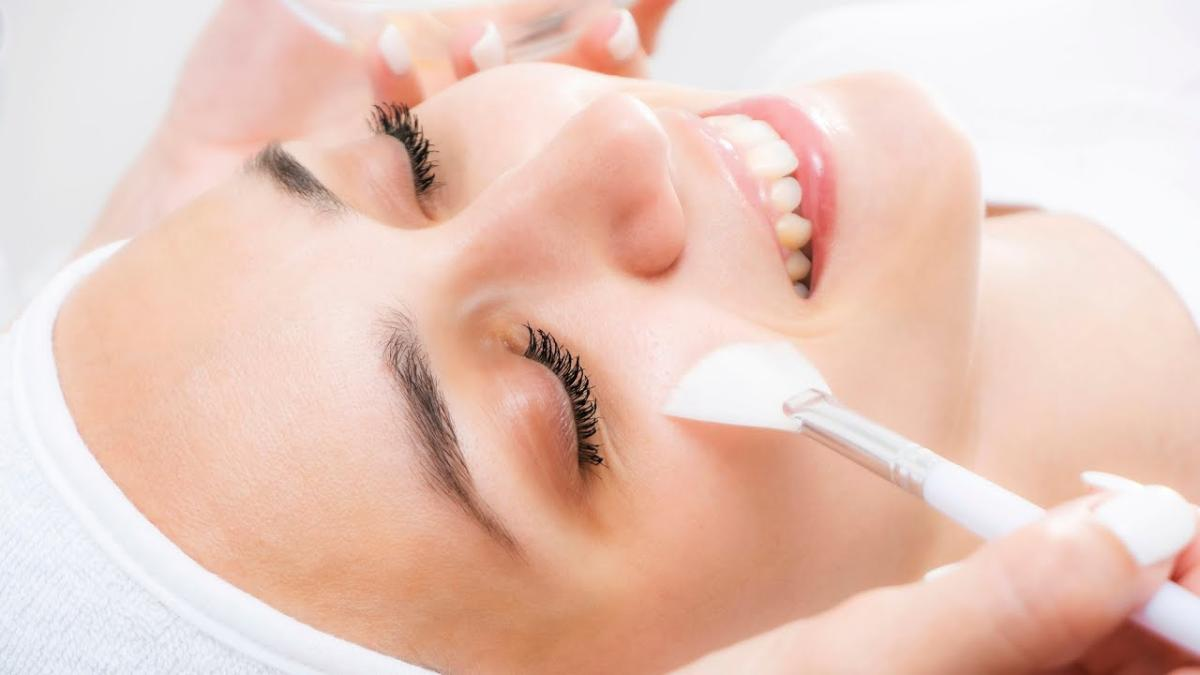
Acne can affect more than the appearance of the skin. Frequent breakouts, clogged pores, inflammation, and lingering dark marks can make the complexion look uneven and difficult to manage. Even after active acne improves, some people continue to experience discoloration and changes in skin texture.
Chemical Peels in Dubai (التقشير الكيميائي في دبي) offer an exfoliating approach that may help address selected acne-related concerns. These treatments use specific acids to remove accumulated dead skin cells, improve pore congestion, and support the skin's natural renewal process. The results depend on the type of acne, the depth of scarring, and the formulation selected.
How Do Chemical Peels Help Acne-Prone Skin?
Acne commonly develops when excess oil, dead skin cells, and bacteria contribute to blocked hair follicles. This can lead to blackheads, whiteheads, and inflamed breakouts.
Certain chemical peel ingredients help remove accumulated cells and reduce pore congestion. Salicylic acid, for example, is oil-soluble and can penetrate into pores, making it particularly useful for oily and acne-prone skin.
Other exfoliating ingredients may improve surface irregularities and help reduce the appearance of post-acne discoloration.
Chemical peels are not a guaranteed cure for acne, but they can be considered as part of a broader skincare approach.
Different Acne Concerns That May Benefit
Blackheads and Whiteheads
Blackheads and whiteheads develop when pores become blocked with oil and dead skin cells. Chemical exfoliation can help loosen this buildup and improve the appearance of congested pores.
Salicylic acid is commonly used for this purpose because it works effectively in oily areas.
Inflammatory Acne
Some exfoliating formulations may help improve mild acne by reducing surface buildup and supporting clearer pores. However, painful cystic acne and severe inflammation generally require other forms of treatment.
Strong exfoliation on actively inflamed skin can increase irritation, so the treatment must be selected carefully.
Post-Acne Dark Marks
Flat brown or dark marks left after breakouts are known as post-inflammatory hyperpigmentation. They are different from actual scars because they do not involve permanent changes to the skin's structure.
Selected chemical peels may help improve these marks gradually by encouraging the removal of pigmented surface cells.
Uneven Skin Texture
After acne, the skin may feel rough or appear uneven. Superficial exfoliation can help refine the outer skin layer and improve mild texture irregularities.
Deep, pitted, or indented acne scars generally require additional procedures rather than chemical peels alone.
Which Chemical Peel Ingredients Are Commonly Used for Acne?
Different acids have different properties, so ingredient selection should reflect the type of acne and individual skin condition.
Salicylic Acid
Salicylic acid is a beta hydroxy acid that penetrates oil-filled pores. It helps remove excess sebum and dead skin cells, making it a common ingredient for oily and acne-prone complexions.
Glycolic Acid
Glycolic acid is an alpha hydroxy acid that exfoliates the outer skin layer. It may help improve dullness, superficial acne marks, and uneven texture.
Mandelic Acid
Mandelic acid has a larger molecular structure than glycolic acid and is often considered for gentler exfoliation. It may be useful for individuals concerned about mild acne and uneven pigmentation.
Lactic Acid
Lactic acid helps remove dead skin cells while also attracting moisture. It may be considered when mild surface roughness and dryness occur together.
The appropriate concentration and combination of ingredients depend on individual skin needs.
Can Chemical Peels Remove Acne Scars?
The term acne scars can describe several different skin changes, and understanding the difference is important.
Post-acne dark spots are pigmentation changes that may improve with suitable exfoliating treatments. True acne scars involve changes in the skin's structure and can appear as depressed areas or raised marks.
Chemical peels may help with superficial irregularities, but deeper scars often require treatments such as microneedling, subcision, or fractional resurfacing.
The most suitable approach depends on scar depth, skin type, and previous treatment history. Realistic expectations are important when choosing a skin renewal procedure.
What Happens During an Acne-Focused Chemical Peel?
The process usually starts with cleansing the treatment area to remove makeup, oil, and surface impurities.
A selected chemical solution is then applied carefully to the skin. The product remains in place for a controlled period according to its formulation and treatment instructions.
Some people experience mild tingling or warmth during application. Depending on the peel, the solution may be neutralised or removed before a soothing product is applied.
The treatment duration and recovery experience vary according to the strength of the exfoliating solution.
Recovery and Skincare After an Acne Peel
Following appropriate aftercare is essential for protecting the skin during recovery.
Gentle cleansing and regular moisturising help maintain skin comfort. Picking at peeling areas should be avoided because it can increase irritation and the risk of pigmentation changes.
Daily broad-spectrum sunscreen is especially important, as recently exfoliated skin can be more sensitive to sunlight.
Avoid using strong retinoids, scrubs, and additional exfoliating acids until the skin has recovered and it is appropriate to restart them.
How Many Sessions May Be Required?
The number of treatments depends on the severity of acne, the type of marks, and the formulation being used.
Mild congestion or dullness may show improvement after an initial session, while persistent post-acne discoloration may require several treatments.
Sessions should be spaced appropriately to allow the skin to recover. Excessive exfoliation can damage the skin barrier and worsen inflammation.
A gradual treatment approach is generally more appropriate than repeatedly using strong peels.
Final Thoughts
Acne breakouts, clogged pores, and post-acne marks can affect skin clarity and confidence. Chemical Peels in Dubai may help improve selected concerns by reducing surface buildup, supporting pore cleansing, and encouraging skin renewal. While superficial pigmentation and mild texture irregularities may respond well, deeper acne scars often require alternative treatments. Selecting suitable ingredients and following proper aftercare are important for achieving balanced skin improvements. TAJMEELS DUBAI عيادة تجميل offers an opportunity to explore skin rejuvenation options according to individual acne concerns and complexion goals.

Provide health services









Comments (0)