

You Changed Your AC Filter, but the System Is Still Dirty. What Actually Needs Cleaning?
Changing your AC filter isn't enough to keep every component clean. Learn which parts collect dirt, when cleaning helps, and what needs a technician.

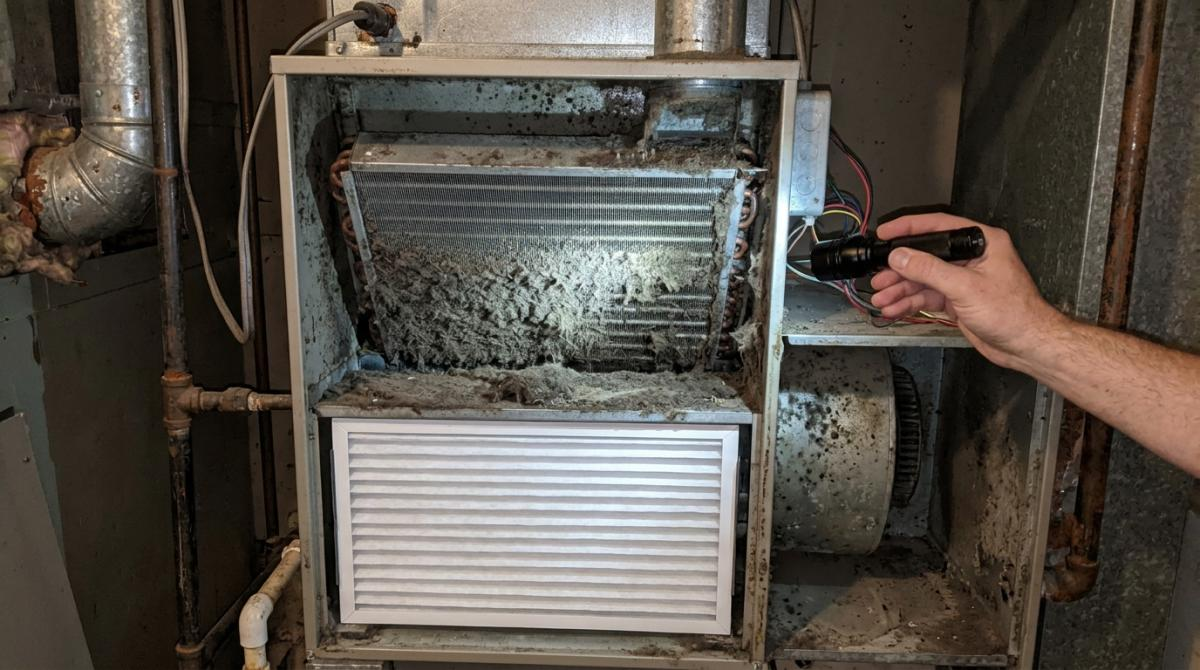
You recently replaced your air conditioner filter, expecting the system to operate more efficiently. However, the airflow still feels weaker than usual, and the outdoor unit has a noticeable layer of dust and debris. You may even see dirt collecting around certain parts of the equipment despite keeping up with regular filter changes.
An air filter plays an important role in protecting your HVAC equipment, but it cannot keep every component clean. Dust can accumulate on cooling coils, dirt can collect around the outdoor condenser, and moisture inside the system can leave residue in drainage components. Each of these conditions requires a different approach.
Cleaning an air conditioner involves more than spraying water on the outdoor unit or replacing a filter. Some maintenance tasks are suitable for homeowners, while others require professional tools, proper access, and an understanding of the equipment.
For homeowners in San Jose, CA, knowing which parts need attention can help prevent unnecessary cleaning, protect sensitive components, and identify problems before they affect cooling performance.
Why Does Dirt Build Up Inside an Air Conditioner Even With a Clean Filter?
Air conditioning systems move substantial amounts of air during normal operation. As air travels through the return ducts and across the indoor cooling coil, it can carry dust, lint, pollen, and other airborne particles. The filter captures many of these particles, but filtration effectiveness depends on the filter's condition, efficiency, fit, and installation.
A filter that does not fit its housing properly may allow some air to bypass its edges. Gaps around the filter can carry unfiltered air into the equipment, contributing to dirt accumulation on downstream components.
The filter's rating also matters. Different filters capture different particle sizes, and a filter with a higher efficiency rating is not automatically suitable for every HVAC system. Excessive airflow resistance can create problems if the equipment is not designed for that filter.
Even when the indoor filtration system works correctly, the outdoor condenser remains exposed to its surrounding environment. Dust, leaves, grass clippings, and other debris can collect around the unit or become trapped against its coil surfaces.
Moisture creates another maintenance concern inside the indoor unit. During cooling, water can condense on the cold evaporator coil and drain into a collection pan. Dust and other residue can accumulate in this damp environment, particularly when drainage or maintenance is inadequate.
These conditions explain why replacing an air filter does not eliminate the need to inspect other components. The filter is one part of the system's maintenance requirements, not a cleaning solution for the entire air conditioner.
Which Air Conditioner Components Actually Need Cleaning?
An air conditioner contains several components that can accumulate contaminants, but they do not all require the same cleaning frequency or method. The appropriate work depends on the equipment type, operating environment, and condition observed during inspection.
The evaporator coil is located inside the cooling system, commonly near the air handler or furnace. As warm indoor air passes across the coil, refrigerant absorbs heat from the air. A buildup of dust or residue can interfere with heat transfer and restrict airflow through the coil.
Cleaning an evaporator coil may require access to parts of the air handler that homeowners should not open themselves. The technician must consider the coil's construction, drainage arrangement, and manufacturer's cleaning instructions before choosing an appropriate method.
The outdoor condenser coil also requires attention. Its purpose is to release heat from the refrigerant to the surrounding air. When dirt collects on the coil surfaces or airflow becomes obstructed, the system may have more difficulty rejecting heat.
Outdoor coil cleaning should be performed carefully. Coil fins can bend, and sensitive electrical components should not be exposed to inappropriate cleaning methods. High-pressure washing and unsuitable chemical cleaners can cause damage.
The condensate pan and drain line are additional maintenance points. Water produced during normal cooling needs a clear drainage path. If debris accumulates or the line becomes obstructed, water may collect where it should not.
Blower components can also collect dust. Depending on the system and the amount of buildup, inspection or cleaning may be appropriate. However, cleaning these components should follow the equipment manufacturer's recommendations.
A thorough inspection determines which parts actually need cleaning instead of treating every component as though it requires the same procedure during every service visit.
What Can Homeowners Safely Clean Without Damaging Their AC?
Some basic air conditioner maintenance tasks can be completed without opening electrical compartments or accessing the refrigerant system.
Checking the air filter is one of the most useful steps. Follow the equipment manufacturer's instructions to determine the correct filter type and replacement schedule. A disposable filter should be replaced when appropriate, while a reusable filter must be cleaned and dried according to its instructions.
Before replacing the filter, check that the new one matches the required dimensions and airflow direction. A correctly sized filter that seats properly in its housing can help limit the amount of unfiltered air entering the equipment.
Homeowners can also inspect the space around the outdoor condenser. Remove loose leaves, grass clippings, and other debris from the surrounding ground while keeping the area clear according to the manufacturer's clearance requirements.
Shrubs and stored objects should not obstruct the airflow around the condenser. Keeping the surrounding space clear helps the equipment move air as designed.
However, homeowners should avoid reaching into the unit, removing protective panels, or attempting to clean internal electrical components. Turning off a thermostat does not necessarily disconnect all electrical power to the equipment.
Likewise, spraying concentrated cleaning chemicals onto coils without knowing the material and manufacturer's instructions can create more problems than it solves. Certain cleaners may damage coil surfaces or leave residues that require specialized rinsing.
The indoor evaporator coil and condensate drainage components may be difficult to access safely. If these parts appear dirty or the system shows symptoms of a blockage, arranging a professional assessment is generally more appropriate than dismantling the equipment.
Homeowner maintenance should focus on accessible, low-risk tasks. Work involving internal components, electrical systems, or refrigerant should be handled by appropriately qualified technicians.
How Do You Know When Your AC Needs Professional Cleaning?
Visible dirt is one reason to investigate maintenance needs, but changes in system performance can also provide useful clues.
Weak airflow is one possible warning sign. A heavily loaded filter, dirty indoor coil, or blower problem can restrict the movement of conditioned air. However, weak airflow can also result from duct problems or other mechanical issues, so cleaning should not be assumed to be the solution without diagnosis.
Longer cooling cycles may also deserve attention. When an air conditioner struggles to transfer heat efficiently, it can take longer to reach the thermostat setting. Dirty coils may contribute to the problem, but refrigerant issues, equipment faults, and building conditions can produce similar symptoms.
A frozen evaporator coil is another concern. Restricted airflow can contribute to freezing, although low refrigerant charge and other problems may also be involved. Continuing to operate a malfunctioning system can worsen the situation.
If ice is visible or cooling performance has deteriorated significantly, stop using the cooling function and arrange an assessment rather than attempting to scrape or wash the ice away.
Water collecting around the indoor equipment may indicate a condensate drainage problem. A clogged drain, damaged pan, or another fault can allow water to escape from the intended drainage system.
Unusual odors also deserve investigation, particularly when moisture is present. However, an odor does not establish that mold is growing inside the equipment. Identifying the source is necessary before deciding on cleaning or remediation.
Homeowners considering an AC cleaning service can review the company's AC maintenance offering, which includes coil cleaning, filter replacement, refrigerant checks, and system inspection.
The important step is describing the actual symptoms when scheduling service. That information helps distinguish a routine cleaning need from a condition requiring diagnosis or repair.
Is Cleaning the Air Conditioner the Same as Cleaning the Ductwork?
No. Cleaning air conditioning equipment and cleaning the home's air distribution ducts are related but separate activities.
An AC maintenance visit may involve checking filters, inspecting coils, evaluating drainage, and completing other equipment-specific tasks. Air duct cleaning involves a different scope focused on removing accumulated material from specified components of the duct system.
These services should not be treated as interchangeable. A technician cleaning an outdoor condenser does not necessarily clean the home's supply ducts, return ducts, or registers.
The distinction matters because homeowners sometimes assume that dirty air filters automatically mean their entire duct system needs cleaning.
The Environmental Protection Agency does not recommend routine residential duct cleaning on a universal schedule. Instead, it advises considering duct cleaning when particular conditions justify it, such as substantial visible mold growth on suitable internal surfaces, certain pest infestations, or excessive debris being released into living spaces.
A layer of ordinary household dust around a supply register does not, by itself, establish that the full duct system needs professional cleaning.
Duct leakage is another separate issue. A poorly sealed return duct can draw dust from an attic or another unconditioned space into the system. Cleaning equipment without addressing the leakage may allow contamination to continue.
Likewise, damaged duct insulation, disconnected sections, or airflow restrictions may require repair rather than cleaning.
Before approving additional work, ask the technician to identify the affected component and explain the evidence supporting the recommendation.
An air conditioner cleaning appointment should not automatically turn into a duct cleaning project unless the actual conditions justify it and the selected provider offers that service.
What Should a Proper AC Cleaning and Maintenance Visit Include?
A useful service visit should begin with an assessment of the equipment's condition rather than immediate cleaning without inspection. Different symptoms require different checks, and cleaning alone cannot correct every performance problem.
The technician should identify which components need attention and whether their condition is affecting operation. For example, a dirty outdoor condenser may require appropriate coil cleaning, while weak airflow may justify inspecting the filter, indoor coil, and blower operation.
A maintenance visit may also involve reviewing the condensate drainage system, checking equipment operation, and evaluating refrigerant-related performance where appropriate. The exact tasks should be confirmed in the quoted scope.
ENERGY STAR's maintenance guidance recommends checking and cleaning evaporator and condenser coils, inspecting or changing filters, checking condensate drainage, and reviewing other system components as applicable.
However, not every service package includes the same work. A basic tune-up may not include extensive disassembly or deep cleaning of heavily contaminated components.
Before booking, ask whether the quoted price covers indoor and outdoor coil cleaning, filter replacement, drain inspection, and the necessary operational checks. If a component requires additional cleaning or repair, request an explanation before approving extra work.
Be cautious of anyone who recommends adding refrigerant solely because an air conditioner is dirty. Refrigerant operates in a closed circuit, and a properly functioning system should not need routine refrigerant additions. Low charge calls for appropriate diagnosis.
After cleaning, the technician should assess whether the original complaint has improved. A cleaner coil does not prove that every performance issue has been resolved.
For example, if airflow remains weak after a dirty filter is replaced, the next step may involve checking the blower, duct restrictions, or another underlying fault.
The most valuable maintenance appointment leaves the homeowner with a clear understanding of what was inspected, what was cleaned, any problems found, and whether additional work is necessary.
Conclusion
A clean air filter is important, but it does not prevent dirt from accumulating throughout an air conditioning system. Indoor cooling coils, outdoor condenser coils, condensate drainage components, and blower assemblies can all require inspection or cleaning depending on their condition.
Understanding heat transfer helps explain why clean coils matter. An air conditioner relies on transferring heat between indoor air, refrigerant, and the outdoor environment. Dirt buildup that restricts airflow or interferes with coil surfaces can make this process less effective.
For homeowners in San Jose, CA, the practical approach is to maintain accessible filters and outdoor clearances while arranging qualified service when internal components need attention. Cleaning should be based on the equipment's actual condition, and any persistent cooling problem should be diagnosed rather than automatically attributed to dirt.











Comments (0)