

Eyebrow Tattoo Removal in Dubai: What to Expect, Methods, and Aftercare
Looking for safe and effective eyebrow tattoo removal in Dubai? Discover how advanced laser technology clears unwanted microblading and permanent makeup at Queen’s Elite Medical in Dubai Marina.


Eyebrow tattoo removal in Dubai has become increasingly popular as trends shift away from heavy, permanent cosmetic tattoos toward softer, more natural arches. Whether you are dealing with unwanted microblading, faded permanent makeup that has turned an undesirable red, blue, or grey hue, or simply a shape that no longer suits your face, advanced laser and removal technologies offer safe and effective solutions.
Located in Dubai Marina, Queen’s Elite Medical provides specialized aesthetic and dermatological treatments tailored to each patient’s unique skin type and ink characteristics. To schedule a consultation or learn more about our services, contact us directly at +971 4 399 0402 or via email at [email protected], or visit our official page at
What is Eyebrow Tattoo Removal?
Eyebrow tattoo removal is a specialized cosmetic procedure designed to break down and eliminate unwanted pigment particles deposited in the dermis during treatments like microblading, powder brows, nano brows, or traditional tattooing. Unlike standard body tattoos, eyebrow tattoos are placed on the delicate skin of the face, very close to the eyes, requiring precise equipment, specialized wavelength settings, and expert medical supervision to protect the surrounding hair follicles and skin tissue.
Direct Answer: How Does It Work?
Advanced Q-switched and Pico lasers are the gold standard for eyebrow tattoo removal. These devices emit ultra-short pulses of high-intensity light energy that target specific pigment colors in the skin. The ink particles absorb the light, shatter into microscopic fragments, and are safely flushed out by the body's natural lymphatic system over the weeks following the session.
Benefits of Professional Eyebrow Tattoo Removal
-
Precision and Safety: Modern laser systems target only the ink pigment, minimizing thermal damage to the surrounding skin and preserving natural eyebrow hair growth.
-
Correction of Discoloration: Effectively corrects unwanted color shifts (such as old microblading turning pink, orange, or grey over time).
-
Blank Canvas: Allows individuals to start fresh with a completely clean slate or reshape their brows to align with modern aesthetic preferences.
-
Non-Invasive: Avoids surgical excision or harsh chemical peels that carry high risks of scarring on the face.
Limitations
-
Multiple Sessions Required: Complete removal or significant lightening rarely happens in a single session. Most patients need anywhere from 2 to 6 treatments spaced 6 to 8 weeks apart.
-
Color Challenges: Certain pigment colors—particularly white, beige, or flesh-toned pigments used in camouflage tattooing—can oxidize and darken when exposed to laser energy.
-
Eyebrow Hair Whitening: The laser energy can temporarily bleach or turn eyebrow hairs white, though normal color typically returns as new hair grows in.
Who May Be Suitable?
You may be a good candidate for eyebrow tattoo removal if:
-
You have old, faded, or migrated microblading or permanent makeup that you no longer like.
-
Your brow shape is uneven, too thick, or placed incorrectly.
-
You are in good general health with realistic expectations about the timeline and number of sessions required.
-
You have realistic skin healing responses and follow pre- and post-treatment care guidelines.
Who May Not Be Suitable?
The procedure may not be recommended for:
-
Individuals with active skin infections, eczema, or psoriasis in the eyebrow treatment area.
-
Those with a history of abnormal scarring or keloid formation.
-
Pregnant or breastfeeding individuals (as a standard precautionary measure).
-
People with very dark skin tones may require specialized medical evaluation to mitigate the risk of post-inflammatory hyperpigmentation.
The Procedure: What Happens During a Session?
-
Consultation & Patch Testing: A qualified practitioner assesses your skin type, tattoo depth, ink color, and medical history.
-
Preparation: The area is thoroughly cleansed, and protective eye shields (goggles) are placed over your eyes to guard against the laser light.
-
Numbing: A topical anesthetic cream is often applied 20 to 30 minutes prior to treatment to minimize discomfort.
-
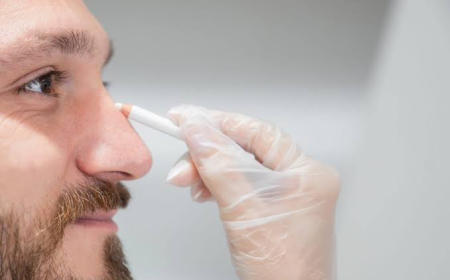
Laser Application: The practitioner passes the handpiece over the brow area. Patients often feel a sensation similar to a rubber band snapping against the skin alongside a cooling airflow.
-
Post-Treatment Care: An ice pack and soothing, medical-grade ointment are applied immediately after the session to calm the skin.
Results and Expectations
Results are progressive rather than immediate. Immediately following a session, the brows may appear frosted, slightly swollen, or red. Over the next few weeks, the broken-down ink particles gradually fade as the lymphatic system clears them away. Patience is essential, as skin healing and ink clearance take time between appointments.
Risks and Considerations
While generally safe when performed by experienced medical professionals, potential risks include:
-
Temporary redness, swelling, and minor blistering or crusting.
-
Temporary or permanent pigment darkening (paradoxical darkening), particularly with flesh-toned or titanium dioxide-based inks.
-
Changes in skin pigmentation (hypopigmentation or hyperpigmentation), which are often temporary.
-
Rare risks of scarring if aftercare instructions are ignored.
Aftercare Guide
Proper aftercare ensures optimal healing and minimizes complications:
-
Keep the treated area clean and dry for the first 24 to 48 hours.
-
Apply prescribed healing ointments or soothing creams as directed by your clinician.
-
Avoid picking, scratching, or peeling any scabs or crusts that form.
-
Avoid direct sun exposure, tanning beds, saunas, heavy sweating, and swimming pools for at least one to two weeks.
-
Wear broad-spectrum sunscreen once the skin surface has fully healed.
Maintenance
Once your desired level of removal or lightening is achieved, very little maintenance is needed unless you choose to get new microblading or permanent makeup applied. If you opt for a new cosmetic tattoo, it is generally recommended to wait at least 8 to 12 weeks after your final removal session to ensure the skin has completely recovered.
Factors Affecting Results
-
Ink Composition and Quality: Professional tattoos and cosmetic inks containing heavy metals or complex chemical blends can be more stubborn to treat than amateur tattoos.
-
Depth of Pigment: Deeper pigment placement requires more sessions to fully break down.
-
Ink Color: Darker pigments (black, dark brown) respond quickest to laser energy, while lighter or multi-colored pigments require specialized wavelengths.
-
Skin Type and Immune Response: Individual metabolic rates and skin healing capacities influence how quickly shattered ink particles are cleared by the body.
Frequently Asked Questions
1. Does eyebrow tattoo removal hurt?
Most patients describe the sensation as a quick stinging feeling, similar to a rubber band snapping. Topical numbing creams are applied beforehand to keep you comfortable throughout the procedure.
2. Will the laser burn off or damage my eyebrow hair?
No, modern tattoo removal lasers target pigment molecules rather than hair follicles. Your eyebrow hair may turn white temporarily due to the light energy, but normal hair growth and color will return.
3. How many sessions will I need?
On average, most patients require between 2 to 6 sessions spaced approximately 6 to 8 weeks apart to achieve optimal fading or complete removal.
4. Can I get new microblading after removal?
Yes. Once the skin has fully healed and recovered—usually 2 to 3 months after your final removal session—you can safely get new microblading or permanent makeup.
5. Are there any immediate side effects?
Immediate side effects typically include mild redness, swelling, and a slight frosting appearance on the ink. These usually subside within a few hours to a few days.
6. Can all ink colors be removed?
Dark colors like black and dark brown respond very well. However, white, beige, or certain bright cosmetic pigments can sometimes darken initially when exposed to the laser, requiring careful test spots.
7. How long does a single session take?
The actual laser treatment is very quick, usually taking about 10 to 15 minutes. With consultation, preparation, and numbing time, plan for about 45 minutes to an hour at the clinic.
8. What is the recovery time after a session?
There is virtually no social downtime. You may experience minor redness or swelling for 24 to 48 hours, but you can generally return to your normal daily routine immediately.
9. Can I wear makeup after the procedure?
It is recommended to avoid applying makeup, skincare acids, or retinoids directly over the treated eyebrow area until the surface skin has completely healed (usually 5 to 7 days).
10. Why is professional medical removal better than DIY removal creams?
Over-the-counter removal creams and chemical DIY kits are largely ineffective at reaching the dermis and carry a high risk of severe chemical burns, severe irritation, and permanent scarring. Professional medical lasers target ink safely under controlled clinical supervision.








Comments (0)