

How Does Tajmeels Clinic Assess Ear Shape Before Reshaping Surgery?
how ear shape, cartilage, symmetry, and facial proportions are assessed before ear reshaping surgery at Tajmeels Clinic in Dubai.
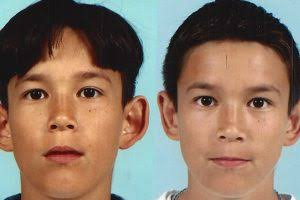
Ear Reshaping in Dubai, also known as otoplasty, is a procedure designed to improve the shape, position, or proportion of the ears. Some people consider this treatment because their ears protrude noticeably, appear uneven, or have structural features that affect their overall facial appearance. Before planning surgery, a detailed assessment is essential to understand the individual's ear anatomy and desired results.
At Tajmeels Clinic in Dubai, evaluating ear shape is an important part of developing an appropriate treatment plan. The assessment helps identify specific concerns, examine the natural structure of the ears, and determine whether reshaping surgery may be suitable.
Why Is Ear Shape Assessment Important Before Surgery?
Every person's ears have a different structure. Their size, position, cartilage formation, and distance from the head can vary naturally. Therefore, ear reshaping should not follow a standard approach for every patient.
A proper assessment helps identify the features that need attention while preserving the natural appearance of the ears. It also allows the surgeon to understand whether the concern involves prominent ears, asymmetry, an unusual cartilage fold, or differences in ear proportions.
An individual evaluation can also help establish realistic expectations. The aim is generally to improve ear balance rather than create perfectly identical ears.
1. Examining the Overall Ear Structure
The first stage of assessment involves examining the external ear, medically known as the auricle or pinna. The surgeon observes its overall shape, size, contours, and position.
Several anatomical features may be considered, including:
-
Helix: The outer curved edge of the ear.
-
Antihelix: The inner curved fold that contributes to ear definition.
-
Concha: The bowl-shaped area near the ear canal.
-
Earlobe: The soft lower portion of the ear.
-
Ear projection: How far the ear extends outward from the head.
These structures help determine the type of reshaping that may be required. For example, prominent ears may be associated with an underdeveloped antihelical fold or an unusually deep conchal bowl.
2. Evaluating Ear Symmetry
Ear symmetry is another important part of pre-surgical evaluation. Although both ears naturally have small differences, noticeable variations in size, shape, height, or projection may affect facial balance.
During the examination, the surgeon compares both ears from different angles. The front, side, and back views can provide useful information about their position and proportions.
The assessment may identify whether one ear projects farther outward, whether the upper ear has a different contour, or whether the earlobes are positioned unevenly.
Understanding these differences helps establish a personalised surgical approach. It is important to recognise that natural facial asymmetry is common, so achieving perfectly identical ears is not always realistic.
3. Assessing Cartilage Flexibility and Formation
Cartilage provides the framework that gives the outer ear its shape. Its thickness, flexibility, and natural folds can influence the surgical technique.
The surgeon examines how the cartilage responds to gentle manipulation and whether the existing folds are sufficiently developed. Some individuals have relatively flexible cartilage, while others have firmer structures that require a different surgical approach.
This assessment is particularly relevant when considering ear pinning surgery. Depending on the anatomy, the procedure may involve creating or improving cartilage folds, repositioning cartilage, or using sutures to bring the ears closer to the head.
The appropriate technique depends on individual anatomical findings rather than appearance alone.
4. Understanding Facial Proportions and Ear Position
Ear shape should also be considered in relation to the surrounding facial features. The distance between the ears and the head, their vertical position, and their overall proportions contribute to the appearance of the side profile.
A surgeon may examine how the ears relate to the forehead, cheeks, jawline, and head shape. This broader evaluation helps determine how much correction may be appropriate.
For example, an ear that appears prominent from the front may have a different underlying structural concern from one that looks uneven from the side.
The objective is to plan changes that complement the patient's natural features instead of creating an exaggerated or artificial appearance.
5. Reviewing Medical History and Surgical Suitability
Anatomical examination is only one part of the assessment. A patient's medical history is also important before elective ear reshaping surgery.
The consultation may include questions about:
-
Previous ear injuries or operations.
-
Existing medical conditions.
-
Current medications and supplements.
-
Allergies and previous reactions to anaesthesia.
-
Healing problems or relevant health concerns.
-
The patient's reasons for considering surgery.
This information helps identify potential risks and determine whether additional medical evaluation is necessary.
The surgeon should also explain possible complications, including infection, bleeding, scarring, changes in sensation, asymmetry, and the possibility of needing further correction.
6. Discussing Desired Results and Treatment Expectations
Understanding the patient's goals is essential when developing a treatment plan. Some individuals want to reduce ear projection, while others are concerned about uneven contours or an unusual cartilage fold.
During consultation, the surgeon discusses the patient's concerns and explains which changes may be achievable through surgery.
Photographs may also be used as part of treatment planning to document the original ear structure and support discussions about expected outcomes.
Patients should understand that healing takes time and that the final appearance may not be immediately visible after surgery. Swelling and temporary changes in sensation can occur during recovery.
How Does Tajmeels Clinic Approach Ear Shape Assessment?
At tajmeels clinic dubai, ear reshaping planning begins with understanding each patient's individual concerns and anatomical features. The assessment considers ear size, cartilage formation, projection, symmetry, and facial proportions to help determine an appropriate treatment approach.
The consultation also provides an opportunity to discuss medical history, surgical suitability, recovery expectations, and possible risks. Rather than assuming that every patient requires the same correction, an individualised evaluation helps establish a treatment plan based on the person's natural ear structure and desired improvements.
Patients are encouraged to discuss their expectations openly and ask questions before making a surgical decision.
What Should You Expect After the Assessment?
Once the assessment is complete, the surgeon explains the recommended approach and whether otoplasty may be appropriate. If surgery is considered suitable, the next steps may include preoperative instructions, medical clearance when required, and discussion of anaesthesia and recovery.
After surgery, patients generally need to follow instructions regarding dressings, headbands when recommended, sleeping positions, wound care, and activity restrictions.
Recovery varies depending on the surgical technique and individual healing response. Follow-up appointments help monitor healing and identify any concerns.
Conclusion
Assessing ear shape before reshaping surgery is essential for understanding cartilage structure, ear projection, symmetry, and facial proportions. A detailed evaluation also helps determine surgical suitability and establish realistic expectations. With an individualised consultation and appropriate surgical planning, patients can make informed decisions about improving ear appearance while maintaining natural-looking proportions.
More Information
Tajmeels Clinic Dubai
WhatsApp: +971 56 203 8751
Phone: tel:+971 43739000
Social Media:

Tajmeels clinic is different from other cosmetic resorts because our doctors are specialized in their fields from the best organizations in the world










Comments (0)