

Which Banarasi Saree Colour for Which Wedding Function: Red, Maroon, Emerald, Mustard and More
Match your Banarasi saree colour to the wedding function: red or maroon for the ceremony, emerald for receptions, mustard for haldi and more.
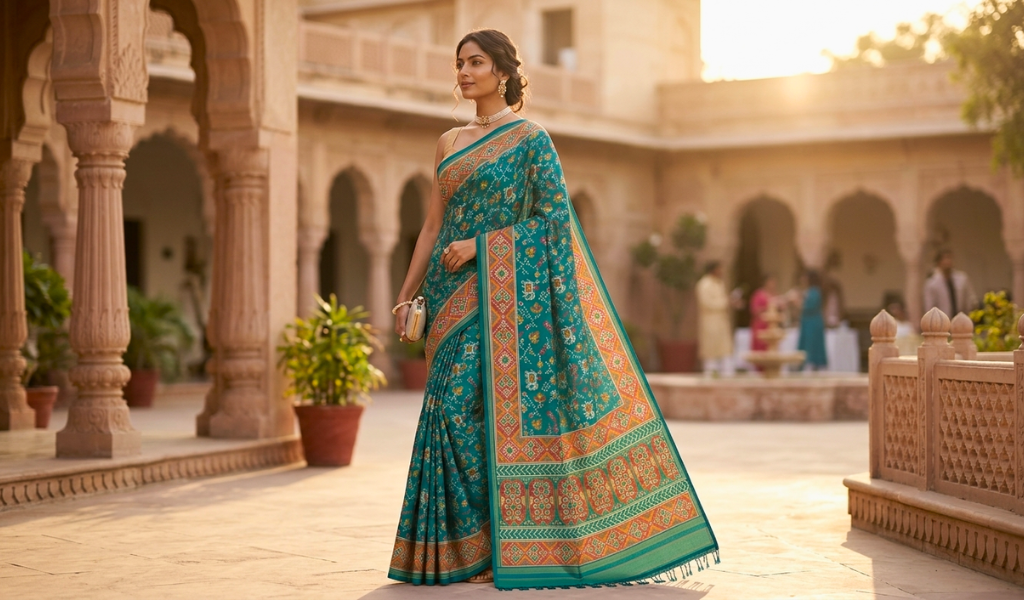
There is a reason the Banarasi saree has never gone out of fashion. It shows up in family albums from fifty years ago, and it shows up again in the photographs from last winter’s wedding. It is woven, worn, passed down, and loved.
But when the invitations arrive and the wedding calendar fills up, a familiar question follows: which colour should I wear to which function? Red feels too bridal. Maroon feels safe but is it too heavy for the day? Is emerald right for a sangeet? Can you wear mustard to the main ceremony?
This guide takes you through the most loved Banarasi saree colours and tells you where each one shines, so you can walk into every function feeling confident, festive, and beautifully dressed.
Why Colour Matters So Much with a Banarasi Saree
A Banarasi saree is already a statement. The zari work, the woven motifs, and the rich silk have a presence of their own. So the colour you choose does half the talking.
In Indian weddings, colours also carry meaning. Red stands for auspiciousness and new beginnings. Yellow and mustard are linked with turmeric and joy. Green speaks of prosperity and growth. Choosing a colour that suits the function shows respect for the occasion, and it helps you look like you belong in the frame.
A Quick Word Before You Choose
- Leave the bride’s colour to the bride. If you are a guest, avoid bridal red at the main ceremony unless the family has said otherwise.
- Check the theme. Many families now set colour palettes for each function. A quick message can save you from a clash.
- Think of the time of day. Day functions suit softer, brighter tones. Evening events welcome deeper, richer ones.
- Consider your own comfort. A Banarasi is a heavier fabric, so choose a drape and blouse you can carry for hours.
Red Banarasi Saree: The Classic Bridal Colour
Red is the colour of weddings in much of India. A red Banarasi saree with gold zari is the picture most of us imagine when we think of a bride.
Best for: The bride’s wedding day, pheras, and bridal looks.
For guests: Unless you are the bride or very close family and the family has indicated otherwise, it is safest to avoid a strong red at the main ceremony. A red Banarasi with a soft pink or orange tone is a gentler choice for an evening reception.
Styling tip: Pair red with gold or kundan jewellery, and keep the makeup warm and glowing.
Maroon Banarasi Saree: Rich, Regal and Versatile
Maroon is the quiet cousin of red. It has the same warmth and tradition, with a little more depth. A maroon Banarasi saree looks elegant in both daylight and evening light.
Best for: The wedding ceremony (for family members), reception, and festive family dinners.
For guests: Maroon is a wonderful choice for the bride’s mother, aunts, or bhabhi, but check with the family if it matches the bridal colour.
Styling tip: Pair maroon with antique gold jewellery or pearls for a graceful, heritage look.
Emerald Green Banarasi Saree: Jewel Tone with Presence
Emerald green is a favourite for a reason. It flatters most skin tones, photographs beautifully, and has an old-world royal feel. A green Banarasi saree with gold or silver zari looks magnificent at weddings.
Best for: Sangeet, reception, engagement, and main ceremony (for guests).
For guests: Emerald is one of the safest and most elegant choices. It is festive, rich, and unlikely to clash with the bride.
Styling tip: Gold jewellery looks beautiful with emerald, and so do pearls and uncut diamonds.
Mustard and Yellow Banarasi Saree: Sunshine for Day Functions
Mustard and deep yellow shades bring warmth and joy. They are linked to haldi and to auspicious beginnings, and they look glowing in daylight.
Best for: Haldi, mehendi, day ceremonies, and engagement lunches.
For guests: A mustard Banarasi saree is a lovely choice for day events, especially in winter, when its warm tone looks beautiful in soft sunlight.
Styling tip: Pair mustard with contrasting jewellery such as polki, or fresh flowers for a traditional touch.
Royal Blue and Navy Banarasi Saree: Elegant for Evenings
Deep blue shades feel modern yet traditional. A navy or royal blue Banarasi with gold zari has a stately look that works well after sunset.
Best for: Reception, cocktail evening, and sangeet.
For guests: It is a flattering, safe choice, and easy to style with gold or silver jewellery.
Styling tip: A contrast blouse in wine, gold, or a deeper blue creates a striking look.
Pink and Rani Banarasi Saree: Festive and Cheerful
Rani pink and rose pink are joyful shades. A pink Banarasi saree feels festive, youthful, and graceful at the same time.
Best for: Mehendi, sangeet, tilak, and engagement.
For guests: Pink is a lovely choice for younger family members and friends. Softer pinks suit day events, while deeper shades work well in the evening.
Styling tip: Combine pink with gold jewellery, or try a contrast in green or turquoise for a bold look.
Pastel and Soft Banarasi Sarees: Gentle and Graceful
Powder blue, mint, blush, peach, and champagne are increasingly popular for modern weddings, especially day functions and engagement events.
Best for: Engagement lunches, day weddings, cocktail evenings, and bridal shower events.
For guests: These shades offer a fresh, modern take on a traditional weave, ideal if you prefer a lighter look.
Styling tip: Keep jewellery simple and let the soft colour and the zari do the talking.
Colour Guide at a Glance
|
Colour |
Best Function |
Who It Suits |
|
Red |
Wedding day, pheras |
Bride, close family (as advised) |
|
Maroon |
Wedding ceremony, reception |
Bride’s mother, aunts, bhabhi |
|
Emerald green |
Sangeet, reception, ceremony |
Almost everyone |
|
Mustard / yellow |
Haldi, day functions |
Sisters, friends, guests |
|
Royal blue / navy |
Reception, evening events |
Guests of all ages |
|
Pink / rani |
Mehendi, sangeet |
Younger family and friends |
|
Pastels |
Engagement lunch, day events |
Modern, light-look lovers |
Colours to Avoid as a Guest
- Bridal red at the main ceremony, unless advised otherwise
- Plain white or all-black, which may be considered inauspicious at traditional ceremonies
- Very similar shades to the bride’s lehenga or saree, which can lead to awkward comparisons in photographs
How to Choose and Buy a Banarasi Saree with Confidence
A good Banarasi saree is an investment, so a little care helps.
- Check the weave. Look for a clean, firm weave with a neat finish on the reverse side.
- Notice the zari. Real zari has a rich, slightly soft shine, not a harsh glitter.
- Understand the type. Katan silk, Georgette, Organza, and Tissue Banarasi each have their own feel. Katan silk is traditional and rich, while Georgette and Organza are lighter.
- Look at the border and pallu. They should be well woven and in proportion.
- Check the blouse piece. See whether it is included and whether the colour and fabric match.
- Read the details carefully. Fabric, weight, and care instructions should be clear.
If you want to buy a Banarasi saree online, take time to zoom in on the photos, compare the colour in more than one image, and read the return and exchange policy. Colour can look slightly different on screen, so it helps to buy from a store that is open about this. You are also welcome to visit our store in Faridabad to see the colours in daylight before you decide. For a deeper look at what to check, you can read our Banarasi saree online buying guide.
Banarasi Sarees as Wedding Gifts
A Banarasi saree is one of the most treasured gifts in an Indian family. It carries blessings, heritage, and affection.
- For the bride: A classic red or maroon Banarasi for her trousseau
- For the bride’s mother or mother-in-law: A rich emerald, maroon, or royal blue silk in a traditional design
- For a sister or bhabhi: A soft pink, mustard, or pastel Banarasi she can wear to many occasions
- For a close friend: A modern pastel or georgette Banarasi in her favourite colour
Adding a handwritten note, or wrapping the saree in a soft cloth with a little scent of flowers, turns a simple gift into a lasting memory.
Caring for Your Banarasi Saree
- Dry-clean only, especially for the first few washes.
- Store in a soft muslin or cotton cloth, not in plastic.
- Refold every few months to avoid permanent creases at the folds.
- Keep it away from moisture, perfume, and direct sunlight.
- Use a natural moth repellent, such as neem leaves.
With good care, a Banarasi saree can last for decades and even become an heirloom.
Final Thoughts
A Banarasi saree is more than a piece of clothing. It carries tradition, craft, and emotion. Choosing the right colour for the right function is part of the joy, because it lets you honour the occasion and feel completely like yourself.
So whether you are drawn to the deep warmth of maroon, the quiet richness of emerald, the sunshine of mustard, or the soft grace of a pastel, take your time, trust your instincts, and wear your saree with pride.
Ready to find your colour? Browse our collection of Banarasi sarees and choose one for your next celebration.
Frequently Asked Questions (FAQs)
1. Which Banarasi saree colour is best for a wedding guest?
Emerald green, royal blue, mustard, deep pink, and soft pastels are among the best choices for wedding guests. They look festive and elegant without clashing with the bride’s red or maroon. It is also wise to check if the family has set a colour theme.
2. Can I wear a red Banarasi saree to a wedding as a guest?
It is better to avoid bright bridal red at the main ceremony, since this colour is traditionally associated with the bride. If you love red, choose a softer shade such as a rose-red or pink-toned Banarasi for an evening reception, or check with the family first.
3. Which Banarasi saree colour suits a haldi or day function?
Mustard, yellow, soft pink, peach, and pastel shades suit haldi and other day functions. They look bright and joyful in natural light and match the cheerful mood of the event.
4. How do I know if I am buying a genuine Banarasi saree online?
Check the fabric description, zoom in on the weave and zari work, and look at the reverse side of the design for a clean finish. Buy from a trusted store with clear return and exchange policies, and read customer reviews before ordering.
5. How should I store a Banarasi saree so it lasts for years?
Wrap it in a soft muslin or cotton cloth, keep it in a cool, dry place, and refold it every few months to prevent permanent creases. Dry-clean it only when needed, and avoid plastic covers, moisture, and strong perfumes.

At Ohri Sons Exclusive, we believe ethnic fashion is more than clothing, it is a celebration of heritage, artistry and personal expression. We help you find the perfect outfit for every moment, from festive occasions to everyday elegance. Our premium bridal and ethnic wear collection for women includes sarees, lehengas, suits, kurtas, salwar-kameez sets and gowns, each crafted with a thoughtful blend of tradition and modern style. Many of our Silk, Net, Cotton sarees and other ensembles feature intricate embroidery and weaving techniques handcrafted by skilled artisans. Every piece is designed with attention to detail, ensuring quality, comfort and timeless beauty. Explore our unique collection online or visit our stores in Badarpur Border and Faridabad.









Comments (0)