

How to Write a Dev Uthani Ekadashi 2026 Blog or Caption

Writing about Hindu festivals is a beautiful way to share religious traditions, spiritual knowledge, and devotional messages with readers. As Dev Uthani Ekadashi 2026 approaches, bloggers, content creators, and devotional websites can use this occasion to publish meaningful articles, social media captions, and festival greetings. A well-written blog or caption helps readers understand the importance of the festival while connecting with its spiritual significance.
Dev Uthani Ekadashi is an important Hindu festival dedicated to Lord Vishnu. It is associated with the end of Chaturmas and the beginning of auspicious religious activities in many Hindu traditions. For brands like Sadhana Shop, this occasion provides an opportunity to create informative and devotional content that connects with people interested in Hindu culture, spirituality, and bhakti.
Whether you are writing a detailed festival blog, an Instagram caption, a Facebook post, or a WhatsApp greeting, your content should be simple, informative, and meaningful. This article explains how to write an engaging Dev Uthani Ekadashi 2026 blog or caption, with useful examples, writing tips, and devotional content ideas.
What Is Dev Uthani Ekadashi 2026 and Why Should You Write About It?
Dev Uthani Ekadashi, also known as Prabodhini Ekadashi or Devutthana Ekadashi, is an auspicious Hindu observance dedicated to Lord Vishnu. According to Hindu beliefs, Lord Vishnu awakens from his four-month period of Yogic sleep on this day, marking the conclusion of Chaturmas.
Dev Uthani Ekadashi 2026 will be observed on Friday, November 20, according to the commonly followed New Delhi calendar. The festival is celebrated through fasting, prayers, Vishnu worship, and devotional activities. Tulsi Vivah is also associated with this occasion in many Hindu households.
Writing about this festival allows content creators to explain its religious importance, traditional practices, and spiritual messages. It also helps readers find meaningful greetings and captions to share with their families and communities.
Why Is Festival Content Important for Blogs and Social Media?
Festival content helps websites and social media pages connect with audiences through topics that are culturally and spiritually meaningful. People often look for festival dates, puja information, wishes, captions, and religious explanations before important Hindu celebrations.
A useful blog can answer these questions in one place. Similarly, a short Instagram caption can communicate a devotional message in just a few sentences.
For Sadhana Shop, creating festival-related content is an opportunity to share spiritual information and maintain a meaningful connection with readers interested in Hindu traditions.
How to Write a Dev Uthani Ekadashi 2026 Blog?
Writing a good festival blog requires a clear structure, accurate information, and simple language. Your article should explain the festival before moving towards its rituals, significance, and celebration ideas.
1. Start With an Interesting Introduction
The introduction is the first part readers notice. Begin with a meaningful question, a devotional thought, or a short explanation of the festival.
For example:
"Are you ready to welcome Dev Uthani Ekadashi 2026 with devotion and positivity? This auspicious occasion celebrates the divine awakening of Lord Vishnu and reminds devotees of the importance of faith, prayer, and spiritual discipline."
An introduction like this immediately establishes the topic and encourages readers to continue.
2. Explain the Religious Significance
After the introduction, explain why Dev Uthani Ekadashi is celebrated. Mention Lord Vishnu, Chaturmas, fasting traditions, and Tulsi Vivah where relevant.
Avoid complicated religious terminology unless you explain its meaning. Readers should be able to understand the festival even if they are learning about it for the first time.
3. Include Important Festival Information
A helpful festival article should include relevant information such as the observance date, religious importance, traditional practices, and commonly followed rituals.
Make sure you verify the festival date and tithi timings using an appropriate local Panchang. This is especially important for readers living outside India because Hindu calendar observances can differ according to location and time zone.
4. Use Simple and Devotional Language
Your writing should sound natural and respectful. Avoid repeating the same festival keywords unnecessarily or using complicated sentences.
Use meaningful words such as devotion, blessings, positivity, faith, spirituality, and happiness where they fit naturally.
5. Add a Meaningful Conclusion
Finish your blog with a short summary of the festival's importance and a positive devotional message. You can also encourage readers to celebrate the occasion with faith and share happiness with their loved ones.
How to Write Attractive Dev Uthani Ekadashi 2026 Captions?
A good festival caption should be short, meaningful, and easy to share. Unlike a detailed blog article, a social media caption should communicate its message quickly.
Dev Uthani Ekadashi Wishes and Captions
You can use these original caption ideas for Instagram, Facebook, and WhatsApp.
Caption 1: Traditional Festival Wish
"May the divine blessings of Lord Vishnu bring happiness, peace, and prosperity into your life. Wishing everyone a blessed Dev Uthani Ekadashi 2026!"
Caption 2: Spiritual Caption
"Let faith guide your path and devotion fill your heart. Celebrate the divine awakening of Lord Vishnu with love and positivity. Happy Dev Uthani Ekadashi!"
Caption 3: Short Instagram Caption
"Awaken your faith, embrace devotion, and welcome positivity. Shubh Dev Uthani Ekadashi 2026!"
Caption 4: Family and Friends Greeting
"May this auspicious Ekadashi bring new hope, happiness, and spiritual strength to your family. Sending warm wishes on Dev Uthani Ekadashi 2026."
How to Make Your Captions More Engaging?
Use captions that match the image or video you are sharing. A photograph of Lord Vishnu can have a devotional message, while a Tulsi Vivah picture can include a greeting related to the traditional celebration.
You can also add a few relevant hashtags, such as:
#DevUthaniEkadashi2026 #DevUthaniEkadashi #PrabodhiniEkadashi #TulsiVivah #LordVishnu #HinduFestival #Bhakti #SanatanDharma #SadhanaShop
How to Include Neeb Karori Baba and Shiv Chalisa in Spiritual Blogs?
Apart from festival-specific content, devotional websites can publish articles about saints, religious prayers, and spiritual traditions. Neeb Karori Baba and Shiv Chalisa are two relevant subjects for creating additional spiritual content.
Write About Neeb Karori Baba and His Teachings
Neeb Karori Baba, also known as Neem Karoli Baba or Maharaj-ji, is remembered by devotees for his teachings of love, kindness, service, and devotion to God.
When writing about Neeb Karori Baba, focus on his spiritual teachings and the values that devotees associate with his life. You can create a separate blog discussing the importance of faith, compassion, and helping others.
You can also include a short spiritual message in a festival-related social media post. For example:
"Let love, kindness, and devotion guide your life. Remember the teachings of Neeb Karori Baba and spread positivity wherever you go."
This type of content connects general spiritual inspiration with the devotional atmosphere of Hindu festivals without incorrectly presenting it as a specific Ekadashi ritual.
Create Devotional Content Around Shiv Chalisa
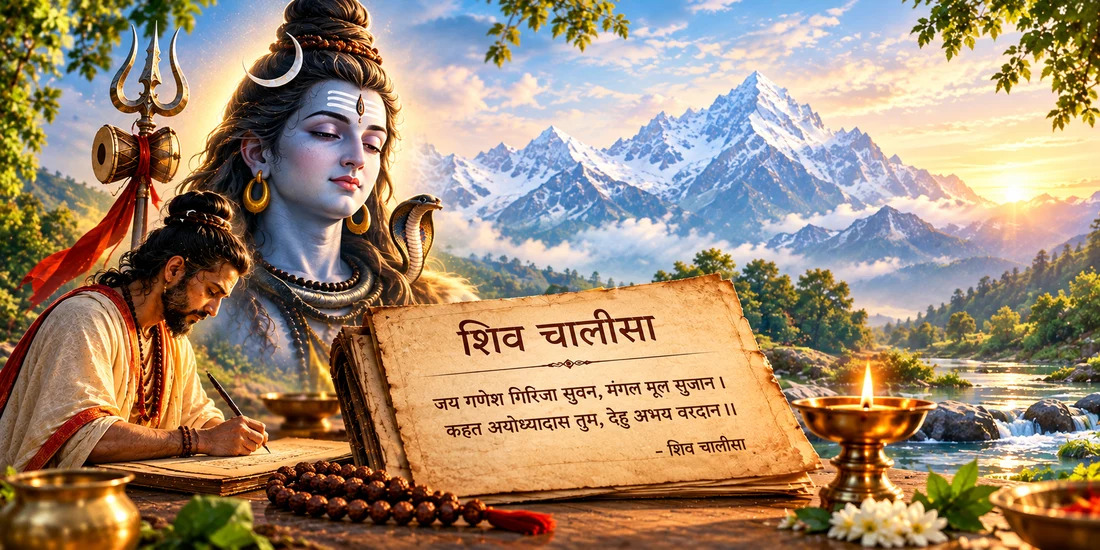
Shiv Chalisa is a popular devotional prayer dedicated to Lord Shiva. It is commonly recited by devotees seeking spiritual peace and expressing their devotion.
You can write a separate article explaining the importance of Shiv Chalisa, its devotional significance, and traditional recitation practices. For social media, create short captions that encourage readers to connect with their spiritual side.
Examples of Shiv Chalisa Captions
"May Lord Shiva bless your life with strength, peace, and positivity. Keep faith and devotion alive in your heart."
"Begin your day with prayer, faith, and the blessings of Mahadev. Har Har Mahadev!"
Although Shiv Chalisa and Dev Uthani Ekadashi are different devotional subjects, both can be included in a broader spiritual content strategy for Sadhana Shop.
What Are the Best SEO Tips for Writing a Dev Uthani Ekadashi Blog?
Search engine optimisation helps readers discover your festival articles through relevant search queries. A well-structured blog should provide useful information while naturally including the primary and secondary keywords.
Use the Primary Keyword Naturally
Include the keyword "dev uthani ekadashi 2026" in your article title, introduction, relevant headings, and conclusion. Avoid excessive repetition because the content should remain natural and helpful.
You can also use related search terms such as Dev Uthani Ekadashi wishes, Prabodhini Ekadashi significance, Tulsi Vivah, Lord Vishnu, and Ekadashi captions.
Create Clear H2, H3, and H4 Headings
Organise your article using a logical heading structure. H2 headings should introduce major topics, H3 headings should explain supporting subjects, and H4 headings can be used for smaller sections.
Question-based headings are especially useful because they directly address what readers want to know.
Add FAQs to Your Blog
Frequently Asked Questions help answer common reader queries in a simple format. Include questions about the festival date, religious importance, captions, wishes, and traditional practices.
Keep each answer direct and informative. If appropriate, add FAQ structured data when publishing the article, following current search engine guidelines.
Focus on Helpful and Original Content
Avoid copying festival greetings or explanations from other websites. Write original captions, explain religious traditions clearly, and check important dates before publishing.
For Sadhana Shop, a consistent approach to devotional articles, festival guides, and spiritual content can help build a recognisable and trustworthy website presence.
How Can Sadhana Shop Create Better Festival Content?
Sadhana Shop can build a useful devotional content collection by publishing articles that cover different aspects of Hindu festivals and spirituality.
For Dev Uthani Ekadashi 2026, the brand can create a festival guide, social media wishes, short captions, and articles explaining Tulsi Vivah traditions. Additional content about Neeb Karori Baba and Shiv Chalisa can help readers explore other devotional subjects.
Keep the brand voice respectful, informative, and easy to understand. Use original writing, meaningful images, clear headings, and helpful FAQs. This approach can make the website more useful for readers while supporting a consistent content strategy.
Conclusion
Writing a Dev Uthani Ekadashi 2026 blog or caption is a meaningful way to share Hindu traditions, spiritual knowledge, and devotional wishes. Focus on accurate festival information, simple language, relevant keywords, and original messages to create content that readers enjoy and understand.
Whether you are writing a detailed festival article or a short Instagram greeting, make sure your words communicate faith, positivity, and devotion. Sadhana Shop can use this opportunity to share meaningful content about Lord Vishnu, Tulsi Vivah, Neeb Karori Baba, and Shiv Chalisa.
Create informative, original, and engaging devotional content with Sadhana Shop and help spread the spirit of bhakti.
Frequently Asked Questions (FAQs)
1. When is Dev Uthani Ekadashi 2026?
Dev Uthani Ekadashi 2026 will be observed on November 20, Friday, according to the commonly followed New Delhi calendar. However, tithi timings and observance may differ by location and tradition. Devotees should check their local Panchang for accurate fasting and puja timings.
2. What should I include in a Dev Uthani Ekadashi blog?
Include the festival's religious significance, date, Lord Vishnu's awakening, Chaturmas, fasting traditions, and Tulsi Vivah. You can also add devotional messages, festival wishes, relevant keywords, and FAQs to make the article more informative.
3. How do I write a short Dev Uthani Ekadashi caption?
Start with a simple devotional message and include a festival greeting. For example: "May Lord Vishnu bless your life with happiness, peace, and prosperity. Shubh Dev Uthani Ekadashi 2026!" Keep captions meaningful and easy to share.
4. Which keywords are useful for Dev Uthani Ekadashi 2026 content?
Useful keywords include dev uthani ekadashi 2026, Dev Uthani Ekadashi wishes, Prabodhini Ekadashi, Tulsi Vivah, Lord Vishnu, Ekadashi captions, and Dev Uthani Ekadashi significance. Include them naturally according to the topic of your article.
5. How can Sadhana Shop create devotional content for Dev Uthani Ekadashi?
Sadhana Shop can publish festival blogs, devotional captions, Tulsi Vivah guides, religious information, and social media greetings. Original writing, accurate information, meaningful visuals, and clear headings can help make the content useful for spiritual audiences.
6. Can I include Neeb Karori Baba in a Dev Uthani Ekadashi blog?
Yes, you can include Neeb Karori Baba as a separate spiritual topic or in a related devotional content section. Discuss his teachings of love, kindness, service, and devotion without presenting them as specific Dev Uthani Ekadashi rituals.
7. Can Shiv Chalisa be included in Dev Uthani Ekadashi social media content?
Yes, Shiv Chalisa can be featured as part of a broader Hindu devotional content series. You can share separate captions, prayer-related posts, and spiritual messages about Lord Shiva while keeping the religious significance of Dev Uthani Ekadashi distinct.







Comments (0)