

Deck Staining in Eagle, ID for Large Decks and Pergolas
Learn how deck staining in eagle, id protects large decks and pergolas through careful prep, stain selection, weather timing, and maintenance choices for lasting outdoor appeal
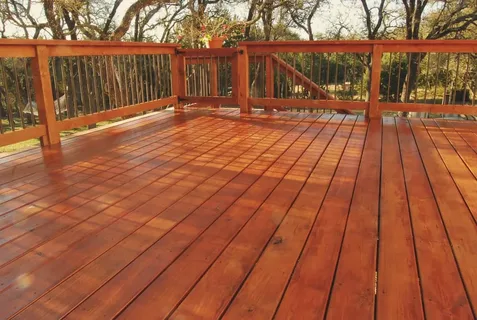
Large decks and pergolas usually need careful cleaning, drying, and a finish chosen for both weather and foot traffic. The right stain helps wood shed water, limits fading, and keeps uneven color from distracting from the outdoor space. Blu Macaw Pro Painting can help property owners think through preparation, product choice, and timing before work begins. For homeowners comparing deck staining in eagle, id, the main decision is whether the wood needs a transparent look, added color, or a stronger coating.
Key Takeaways
-
Large outdoor structures need a planned inspection before staining begins.
-
Wood condition, age, species, and past coatings affect the finish choice.
-
Pergola posts and beams may need different application methods than deck boards.
-
Dry weather and proper surface moisture are essential for even results.
-
Regular cleaning and early touch-ups help extend the finish.
Why Large Decks and Pergolas Need a Different Plan
Large outdoor structures cannot always be treated like small porches. A wide deck may include boards that receive full sun, shaded areas under furniture, and sections that see heavy foot traffic. Those areas can absorb stain at different rates, which may create uneven color if the surface is not prepared carefully.
Pergolas add another concern. Their posts, beams, rafters, and trim have vertical and overhead surfaces that collect dust and may dry at different speeds. A coating that looks even on a floor may need more careful brushing on corners, joints, and end grain. The same stain may work on both structures, but the application plan should fit each surface.
The first decision is not color. It is whether the wood is ready to accept a new finish. Old peeling coating, gray fibers, mildew, dirt, and loose splinters can keep stain from bonding well. A careful review prevents property owners from covering a surface problem that will soon show through.
What to Check Before Staining
A pre-stain inspection should identify weak areas before cleaning or coating starts. Property owners should look closely at the deck boards, steps, railings, posts, and pergola connections. The following checks help reveal work that may be needed first.
-
Look for soft, cracked, split, or badly warped boards.
-
Check railings and stairs for movement or loose fasteners.
-
Note peeling paint, old sealer, gray wood, mildew, and heavy dirt.
-
Identify areas that stay shaded or damp longer than the rest.
-
Check whether planters, rugs, and furniture have hidden the wood from sunlight.
Small repairs should happen before staining. Replacing a damaged board after the finish is applied can leave a visible color difference. Loose screws, raised nails, and rough edges should also be addressed so the finished surface is safer and easier to maintain.
Wood moisture matters as well. A surface can feel dry while still holding water inside the boards. Product directions may call for a moisture check or a specific drying period. Following those directions is more reliable than choosing a date based only on how the surface looks.
Choosing a Finish for Wood and Use
Choosing the right finish for deck staining in Eagle, ID depends on the wood's condition, the desired appearance, and the level of maintenance homeowners are willing to manage. The stain should also suit Eagle, Idaho's changing weather conditions, including strong sunlight, seasonal moisture, and temperature fluctuations. Selecting an appropriate finish helps protect the wood while preserving its natural texture and surface details.
-
Clear or transparent finishes show most of the natural grain but usually need closer color monitoring.
-
Semi-transparent stains add color while allowing much of the wood pattern to remain visible.
-
Solid-color stains cover more of the grain and can create a more uniform look on older boards.
-
Oil-based and water-based products differ in drying time, cleanup, appearance, and label requirements.
Cedar often has a different look and absorption pattern than pressure-treated pine. Older wood may soak up more product along exposed end grain and worn areas. A small test patch can show whether the chosen color looks too dark, too red, or uneven before the full structure is coated.
A pergola can match the deck, but matching is not always necessary. Some owners choose a lighter tone on overhead beams so the structure feels less heavy. Others use the same color for a connected appearance. The choice should consider nearby siding, fencing, trim, and landscaping rather than the deck alone.
Preparing a Large Deck and Pergola
Proper preparation often takes more time than the actual staining process. Professional deck staining begins with thoroughly cleaning the wood surface, including visible boards and less noticeable areas around joints, posts, and beam ends. Removing dirt and buildup from these areas helps ensure consistent stain coverage, better adhesion, and a more uniform finish.
-
Move furniture, grills, rugs, and planters away from the work area.
-
Remove loose finish and scrape rough areas without damaging sound wood.
-
Clean dirt, mildew, and organic buildup with a method suited to the wood.
-
Sand splintered spots and soften sharp transitions between bare and coated areas.
-
Protect nearby siding, masonry, plants, windows, and outdoor fixtures.
Pressure washing can remove built-up grime, but too much pressure can cut soft wood or leave raised fibers. If the surface becomes fuzzy after cleaning, light sanding may be needed after the boards dry. A wood brightener may also help improve the appearance of weathered boards, but the product label should determine whether it is suitable.
Stain should be applied in manageable sections. Keeping a wet edge helps reduce lap marks, which are darker lines caused when one section dries before the next section is blended. Brushing end grain and working around fasteners also helps the finish look more consistent.
Timing Work Around Eagle's Seasons
The best time to stain is a dry period when the wood, air, and surrounding surfaces meet the product’s temperature and moisture requirements. A warm afternoon alone may not be enough if morning dew, rain, or overnight moisture reaches the boards before the coating cures.
Sun exposure also affects the work. A large deck may have bright and shaded sections at the same time. Staining the hottest boards can make the product dry too quickly, while shaded areas may stay wet longer. Working in sections and following the label can reduce these differences.
Property owners should also consider how the structure will be used during the work. A deck connected to a kitchen or living area may need access kept open, while a pergola near a walkway may require added protection. Planning around gatherings, lawn care, and outdoor furniture makes the process less disruptive.
Common Mistakes That Shorten a Finish
The most common mistake is coating dirty or damp wood. Stain cannot correct loose fibers, hidden mildew, or standing moisture. Another mistake is applying too much product in an attempt to make the color richer. Excess stain can stay tacky, look uneven, or fail to dry as expected.
Some owners also assume that new pressure-treated lumber is ready as soon as it is installed. That is not always the case. The wood may need time to dry, and the product instructions may require a moisture check or a waiting period. The correct timing depends on the lumber and the selected finish.
Skipping a test patch can cause an avoidable color problem. A stain may look different on new wood, weathered wood, and previously coated wood. Testing a hidden area gives owners a clearer idea of the final result before the whole deck is covered.
Simple Maintenance After Staining
Maintenance begins after the surface cures. Leaves, soil, and spilled drinks should be removed before they stay wet against the wood. Gentle cleaning is usually safer than repeated harsh washing, which can wear the finish and raise the grain.
Owners should inspect high-traffic paths, stair treads, railings, and exposed pergola edges at least during regular seasonal cleanup. Fading, bare spots, rough fibers, or areas that absorb water quickly may signal that attention is needed. Touch-ups are easier when small worn areas are handled before the entire finish breaks down.
Furniture pads can reduce scratches, while movable planters can prevent hidden moisture marks. Keeping gutters and nearby sprinklers from soaking the structure also supports a longer-lasting finish. Maintenance should follow the product directions instead of a fixed calendar.
Frequently Asked Questions
Can One Stain Work on Both Surfaces?
Often, one product can be used on both a deck and pergola if the label allows it. The wood condition and exposure still matter, so the same color may appear different on horizontal boards and vertical beams.
Does a Large Deck Always Need a Solid Stain?
No. Solid stain is useful when owners want more uniform coverage, but semi-transparent products may be a better fit when the grain is attractive and the boards are in good condition.
How Can Owners Tell if Old Stain Must Be Removed?
Peeling, flaking, glossy areas, and poor adhesion are signs that the old coating may need removal or extensive preparation. A small adhesion test can show whether a new finish will bond to the existing surface.
Should Railings Be Stained Before the Deck Floor?
Many crews handle higher surfaces before lower boards so drips can be cleaned or blended as work moves downward. The exact order can vary with the structure and product, but protecting finished areas is important.
What Should Happen if Rain Is in the Forecast?
Staining should wait until the wood and weather meet the product requirements. Rain soon after application can affect color, drying, and adhesion, so the label’s weather window should control the schedule.
Making the Final Decision
Large decks and pergolas usually produce better results when owners decide on wood repairs, surface preparation, finish type, and timing as one plan. The most attractive color cannot compensate for damp boards or a weak surface. A careful inspection, test patch, and clear work sequence help reduce surprises and create a more even appearance across different parts of the structure.
A Clear Scope Before Work Begins
Before work begins, property owners can list the deck’s wood type, areas of shade, worn boards, and desired color. They can then request a written plan that explains cleaning, repairs, drying conditions, product choice, coats, and maintenance. Comparing several clear scopes helps them spot missing preparation and choose a schedule that fits outdoor use. A careful review now can reduce delays and help the finished deck and pergola look consistent. They should confirm plans for furniture, plants, siding, and cleanup.

Hi, I’m Freya Parker, an automotive expert focused on helping car owners make smarter decisions when selling their vehicles. I specialise in breaking down the car-selling process in a simple, practical way from understanding your car’s real value to reading market trends and spotting the right time to sell. My goal is to give you clear, honest guidance so you can confidently get the best possible price for your car without confusion or stress. Whether you’re selling for the first time or just want a better deal, I’m here to make the process straightforward, transparent, and rewarding









Comments (0)