

The Role of Professional Caregivers in Supporting Alzheimer’s Patients
Professional caregivers support Alzheimer’s patients with personalized care, safe routines, daily assistance, and companionship while helping families reduce stress and improve quality of life.

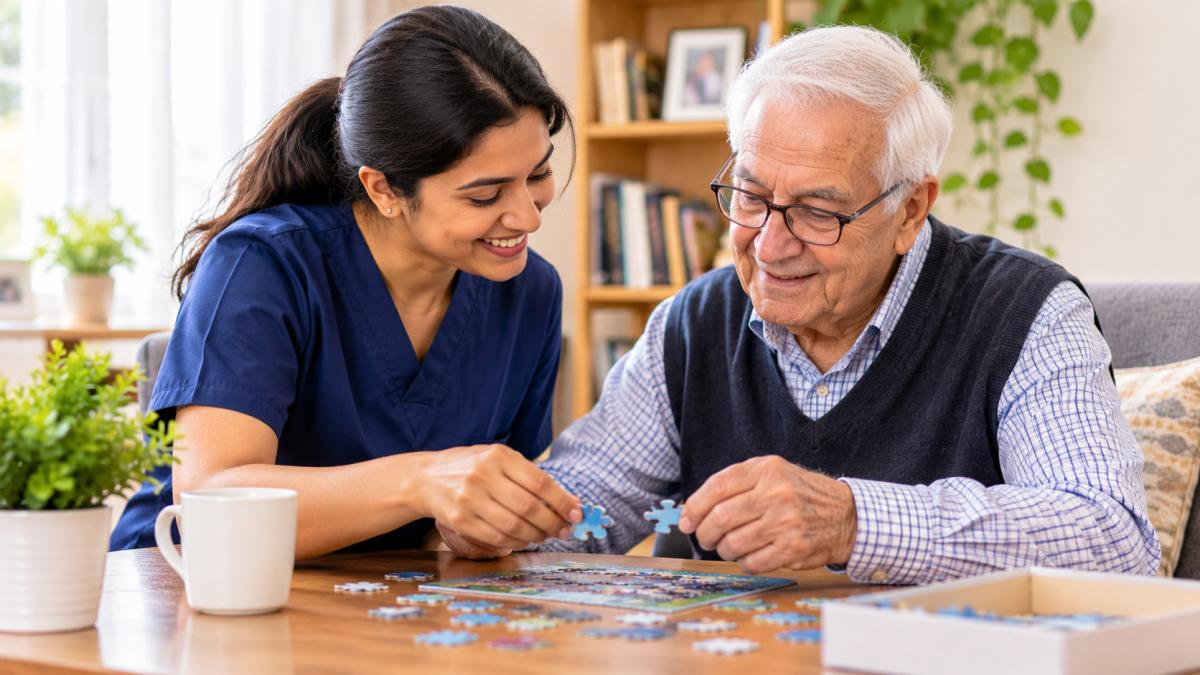
A diagnosis of Alzheimer’s rarely arrives with a manual. Families learn as they go, adjusting to new behaviours and new needs almost every month. Trained caregivers bring something that goodwill alone cannot: practical skill, steady patience, and experience of what tends to help. Understanding what they actually do makes it easier to decide when and how to bring that support into the home.
A Different Kind of Caregiving
Caring for a person with memory loss is not the same as general elder care. Reasoning, logic, and reminders often stop working, and emotion becomes the main way of connecting. Professional caregivers learn to read tone, body language, and mood, and to respond with calm instead of correction. This shift in approach reduces conflict and protects the person’s dignity.
How Trained Caregivers Step In
Families seeking Alzheimer's care in Jersey City, NJ usually want more than supervision, and a trained caregiver offers a combination of hands-on help, observation, and emotional support throughout the day. They assist with personal care, prepare meals, keep the home safe, and engage the person in meaningful activity. Their presence also gives relatives reliable information about how the day went, which helps with planning. Skill and consistency matter more than any single task.
Learning the Person’s Story
Good care begins with knowing who the person is. Caregivers ask about career, family, music, faith, favourite foods, and daily habits, and they use those details to build connections. A former teacher may enjoy folding flyers or reading aloud, while a retired mechanic might like sorting nuts and bolts. Familiar topics bring comfort when new information feels confusing.
Guiding the Day
Structure reduces anxiety. Caregivers follow a predictable rhythm of waking, washing, meals, activity, rest, and evening wind-down, adjusting gently when energy dips. Personalized care plans capture these routines in writing, including what calms the person, what upsets them, and which tasks they can still do independently. Written plans keep everyone consistent, even when different caregivers cover different shifts.
Handling Difficult Moments
Agitation, repeated questions, suspicion, and refusal of help are common, and they can exhaust families. Trained caregivers avoid arguing about facts. Instead they acknowledge the feeling, offer reassurance, and redirect attention to something pleasant. They also look for triggers such as pain, hunger, noise, or fatigue. Responding to the cause often works better than responding to the behaviour.
Keeping Daily Health on Track
Eating, hydration, and medicines can slip as memory declines. Caregivers offer simple meals at regular times, encourage fluids, and remind or assist with prescribed medicines as directed by the doctor. They watch for changes such as weight loss, poor sleep, or new confusion, and report them. Quiet observation of this kind often catches problems early.
Safety Inside and Outside the Home
Wandering, falls, and kitchen accidents are constant concerns. Caregivers check doors, clear clutter, secure hazards, and stay close during walks and bathing. Families who arrange memory care at home often notice how much safer the house feels once routines and safeguards are in place. Technology such as door chimes can help, but nothing replaces attentive supervision.
Working With the Medical Team
Caregivers are not clinicians, but they spend many hours with the patient and see details others miss. They keep notes, share concerns with family, and help prepare for appointments. Where the agency employs nurses, they can supervise care and coordinate with doctors. This link between home and clinic makes treatment more consistent.
Supporting Family Relationships
A spouse or child who is exhausted often has little energy left for affection. When a professional handles personal care and supervision, relatives can return to being partners, sons, or daughters instead of constant managers. Caregivers also teach communication techniques that families can use themselves, which eases tension and brings back moments of warmth.
Questions to Ask Before Hiring
The choice of provider shapes the entire experience. The best home health care agency in Jersey City, NJ will screen and train its caregivers, provide dementia-specific education, supervise their work, and have backup staff ready when someone is ill. Ask how caregivers are matched to clients, how care plans are updated, and how quickly the agency responds to concerns. Meeting the proposed caregiver and checking references builds confidence.
When Needs Grow
Alzheimer’s progresses, and support must change with it. A few hours a week may become daily visits, then overnight cover. Many families find that professional caregivers for dementia can adjust hours and tasks as needs shift, which avoids abrupt changes in routine. Reviewing the plan every few months with the doctor and the agency keeps care matched to the person’s current stage. Planning ahead reduces stress later.
Final Thoughts
Skilled caregivers cannot stop the disease, yet they can shape how it is lived with. Calm routines, safe surroundings, and respectful companionship help the person keep dignity, while families regain time and strength. This article offers general information only, so please speak to a qualified healthcare professional about your own situation.












Comments (0)