

Practical Considerations for Building a More Efficient Pneumatic Cleaning Setup
Industrial air cleaning equipment relies on more than the main blow gun. Nozzles, connectors, hoses, adapters, and airflow adjustment components all contribute to installation flexibility and practical operation. This article explores material selection, purchasing considerations, functional compatibility, maintenance convenience, and component design to help businesses choose suitable accessories for different pneumatic cleaning applications.
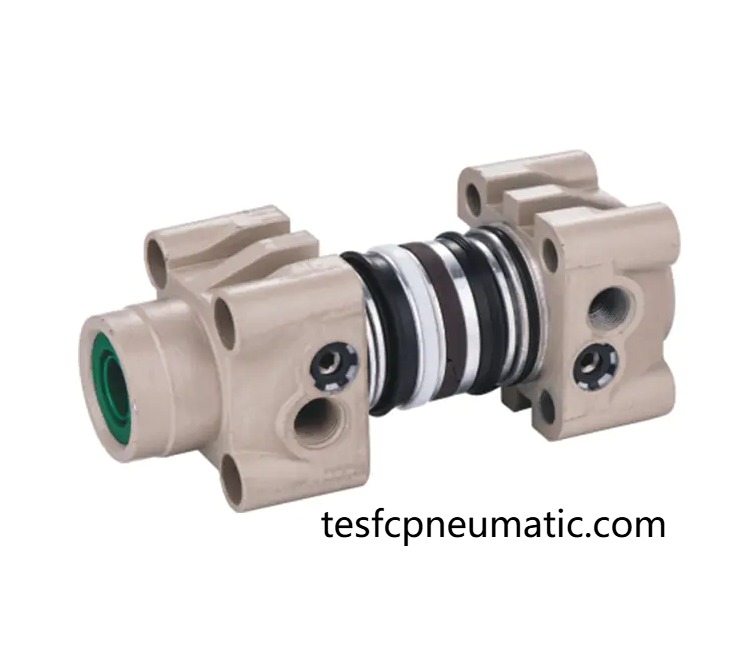
Industrial cleaning equipment is often expected to handle different surfaces, working spaces, and maintenance tasks within the same production environment. A suitable blow gun provides directed airflow, but its supporting components determine how easily the tool connects to an air supply and adapts to different applications. Blow Gun Pneumatic Accessories help create a more flexible cleaning arrangement through compatible connections, air hoses, adapters, and specialized attachments. Understanding these supporting products allows purchasing teams to consider the complete working setup rather than treating the blow gun as an isolated tool.
Material selection is an important part of accessory quality. Metal connectors are commonly used where mechanical strength and stable connections are required. Brass is valued for its machinability and practical resistance to corrosion, while stainless steel may be appropriate for environments where exposure to moisture or cleaning substances is a concern. Aluminum can provide a lightweight option for selected structural components. Engineering plastics also have a place in pneumatic accessory construction, particularly where reduced weight and convenient handling are important. Each material should be evaluated according to its intended application.
Hose materials require a different approach because flexibility and routing conditions affect daily usability. Polyurethane hoses are often selected for their flexibility and suitability for moving equipment. Nylon tubing can provide a more structured line arrangement, while silicone and other specialized materials may be considered for applications with particular environmental requirements. Buyers should examine how the hose interacts with the tool, connector, and air supply. A material that works well in one installation may not be appropriate for another, especially when frequent movement or contact with surrounding equipment is involved.
The purchasing process should begin by identifying the intended cleaning arrangement. Some workshops need a simple connection between an existing air hose and a blow gun. Others may require extended hoses, interchangeable nozzles, adapters, or additional fittings to reach different work areas. A maintenance team working around large machinery may prioritize flexible routing, while an assembly station may benefit from compact connections that keep the work surface organized. Understanding these differences helps buyers avoid ordering accessories that offer little practical value.
Compatibility is another important consideration. The connector must match the blow gun inlet and the existing air supply arrangement. Thread types, connection structures, sealing methods, and hose compatibility should be confirmed before purchasing. Even a well-made accessory can create installation problems if it does not fit the equipment already in use. For projects involving several tools, preparing a component list or sharing photographs of existing connections with the supplier can make product selection more accurate.
Different attachments can also change how a blow gun is used. An extended nozzle helps direct air toward recessed areas, while specialized nozzle shapes can provide different airflow patterns. Some designs focus on localized cleaning, while others are intended to distribute air across a wider surface. Adjustable accessories allow users to adapt airflow delivery to the task, helping avoid unnecessary air use during routine cleaning. For applications involving delicate parts, the cleaning method should be reviewed carefully to prevent damage or unwanted movement.
The way accessories are combined can influence the efficiency of an entire workstation. A hose that is too restrictive, an unsuitable connector, or an unnecessarily complicated routing arrangement can make the tool less convenient to operate. A well-planned setup keeps connections accessible and reduces interference with other equipment. In shared workspaces, organized hoses and clearly identified tools can also help employees return accessories to the correct location after use. These details support a more orderly maintenance environment.
From the user's perspective, accessory quality is reflected in convenience and confidence during everyday work. Quick connection and disconnection can simplify tool replacement, while flexible hose arrangements allow operators to move around equipment more comfortably. Secure fittings help prevent interruptions caused by loose connections, and easily replaceable attachments reduce the need to change the complete tool when a particular cleaning requirement changes. Maintenance teams also benefit when accessories are easy to inspect and identify.
Design should support both practical installation and visual organization. Compact connectors can reduce unnecessary space around the tool inlet, while clearly shaped adapters make different connection functions easier to distinguish. Hose colors may help identify separate air lines in workshops that use several pneumatic tools. Smooth external surfaces and accessible connection points can make cleaning and inspection easier. A consistent accessory design also helps purchasing departments standardize replacement parts across similar workstations.
Zhejiang Feishengya Pneumatic Components Co., Ltd. offers a range of blow gun products, including high-flow, adjustable, cleaning, and inflation-related designs. Its wider pneumatic product portfolio also includes tubing, fittings, and other supporting components. This product coverage is relevant to businesses that want to coordinate their air tools with the rest of an existing compressed air installation. When evaluating a supplier, buyers can discuss connection compatibility, material preferences, application requirements, and replacement needs before confirming an order.
For equipment manufacturers, distributors, and industrial maintenance teams, preparing accessories as part of the original equipment plan can make later installation and replacement work easier. A clear understanding of the working environment, connection arrangement, and intended cleaning tasks gives suppliers a practical basis for recommending suitable products. To explore blow gun products and related pneumatic components from Zhejiang Feishengya Pneumatic Components Co., Ltd., visit https://www.tesfcpneumatic.com/.

Zhejiang Feishengya Pneumatic Components Co., Ltd. is a professional manufacturer specializing in the development, production, and supply of pneumatic components and related industrial solutions. The company is committed to providing reliable products with consistent quality, precise performance, and practical functionality to meet the requirements of diverse industrial applications. With a focus on product quality, manufacturing efficiency, and customer satisfaction, Feishengya strives to build long-term partnerships with customers in domestic and international markets.








Comments (0)