

Nadi Shodhana Pranayama: Steps, Benefits and Common Mistakes
Learn how to practise Nadi Shodhana Pranayama with simple steps. Explore its traditional benefits, breathing techniques, common mistakes and beginner-friendly tips.
Introduction
Breathing is something we do naturally throughout the day, but most of the time, we do not pay attention to it. We breathe while working, walking, eating and sleeping without thinking about each breath. However, traditional yoga teaches that becoming aware of our breathing can help us develop a calmer and more focused mind.
Nadi Shodhana Pranayama is a traditional breathing practice that involves breathing alternately through the left and right nostrils. It is also commonly known as alternate nostril breathing. The practice is often included in yoga sessions because it encourages slow, controlled and mindful breathing.
Unlike some advanced breathing techniques, Nadi Shodhana can be introduced to beginners through a simple method without breath retention. Learning the correct steps and understanding common mistakes can make the practice more comfortable.
What Is Nadi Shodhana Pranayama?
Nadi Shodhana Pranayama is a traditional yogic breathing technique in which a person gently alternates breathing through the two nostrils.
The Sanskrit word Nadi refers to channels in the traditional subtle-body system, while Shodhana means purification or cleansing. Therefore, Nadi Shodhana is often translated as channel purification.
A Yoga School in Bali may teach this practice as part of pranayama training because it helps students develop awareness of their breathing patterns and understand the role of breath in traditional yoga.
In traditional yoga philosophy, Nadis are described as subtle channels through which Prana, or life energy, flows. Three important Nadis are commonly discussed:
-
Ida Nadi: Traditionally associated with the left side and lunar qualities.
-
Pingala Nadi: Traditionally associated with the right side and solar qualities.
-
Sushumna Nadi: The central channel described in subtle-body teachings.
These ideas belong to traditional yogic philosophy and should not be confused with the physical nerves or blood vessels of the human body.

Why Is Nadi Shodhana Practised in Yoga?
Nadi Shodhana is practised to develop controlled breathing, concentration and a sense of calm. It encourages a person to slow down and pay attention to the natural movement of air through the nostrils.
Many people live with busy schedules, constant screen use and daily responsibilities. Taking a few minutes to practise mindful breathing can provide a useful pause in the day.
The practice is also connected with the traditional yogic idea of balancing Ida and Pingala Nadis. Different yoga traditions explain this relationship in different ways, but the main practical focus for beginners should be comfortable, steady breathing.
How to Practise Nadi Shodhana Pranayama Step By Step
You do not need special equipment to practise Nadi Shodhana. A quiet place and a comfortable sitting position are enough.
Follow these steps:
Step 1: Choose a Comfortable Sitting Position
Sit on a yoga mat, cushion or chair. Keep your spine comfortably upright and relax your shoulders. Your body should feel stable without unnecessary tension.
Step 2: Relax Your Body
Close your eyes gently. Allow your face, jaw and shoulders to relax. Take two or three natural breaths before beginning.
Step 3: Position Your Right Hand
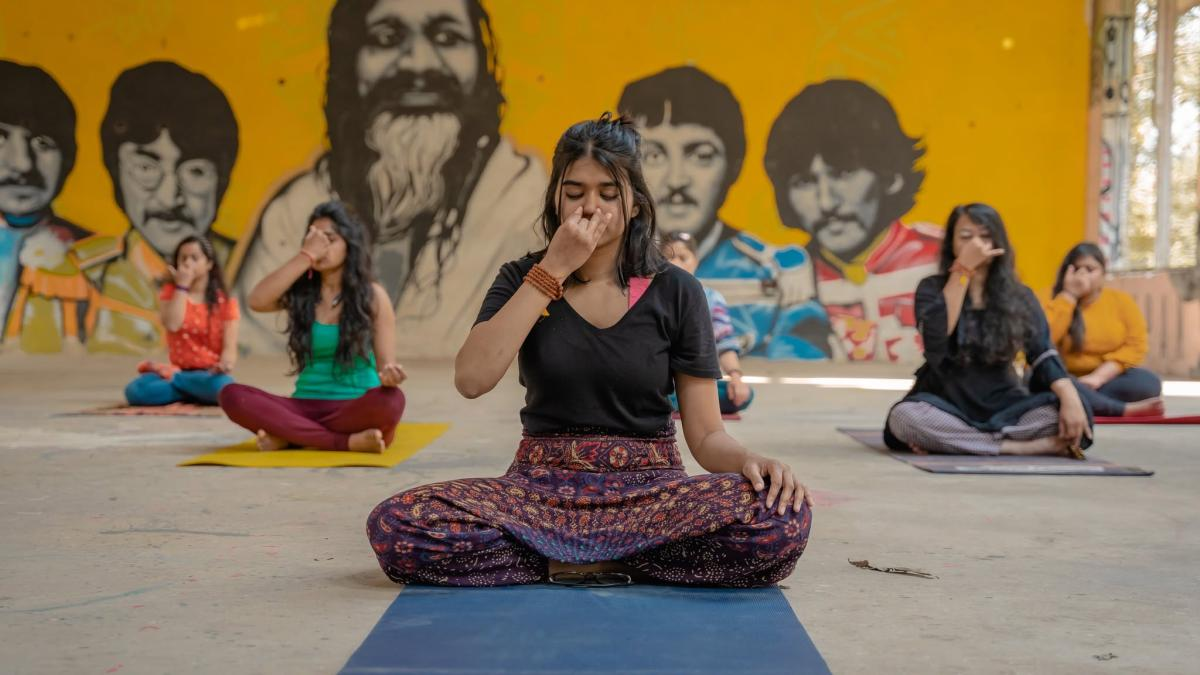
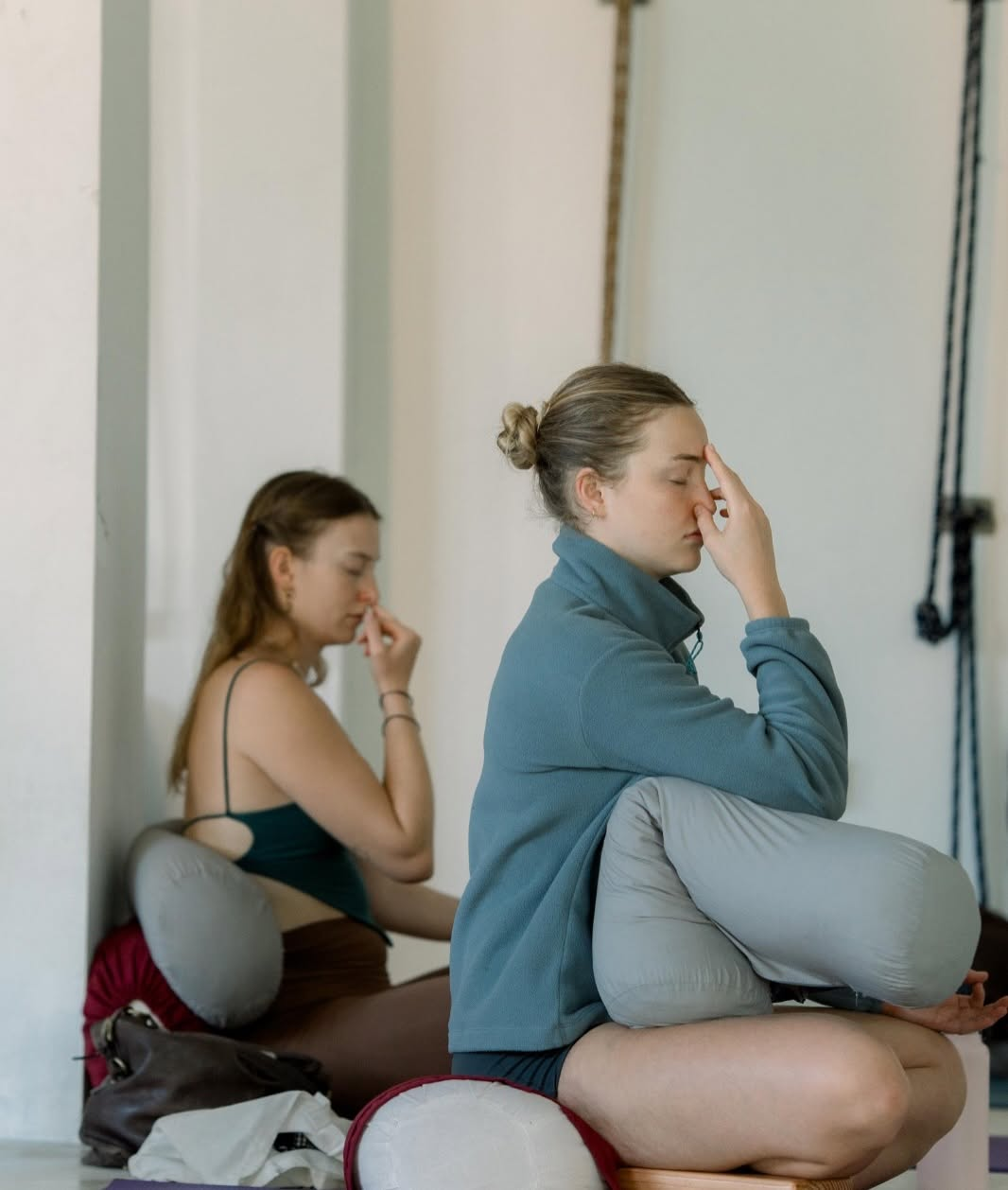
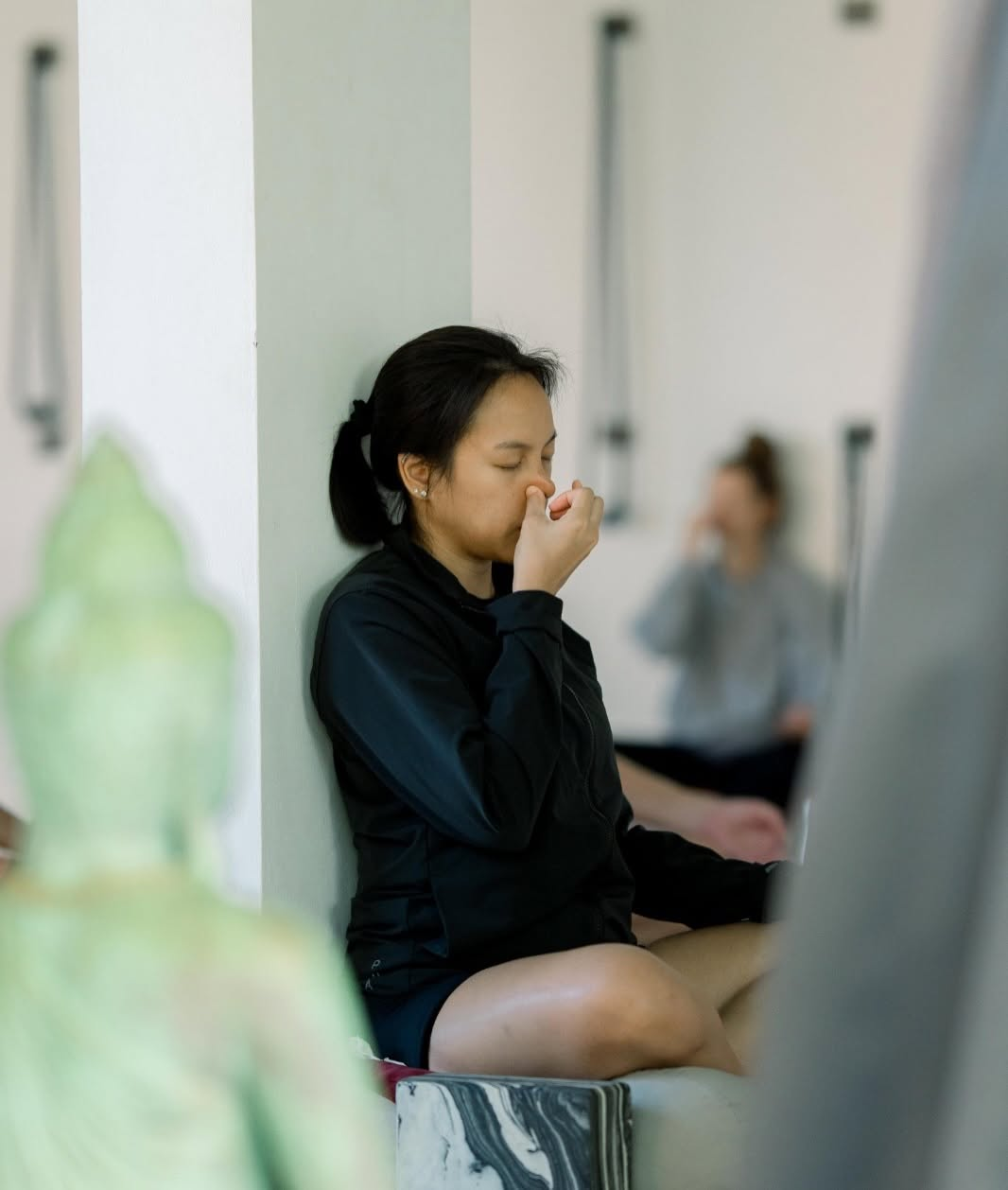
Bring your right hand towards your nose. You can use your thumb to close the right nostril and your ring finger to close the left nostril. The other fingers can rest comfortably.
This hand position is commonly known as Vishnu Mudra, although variations are used in different traditions.
Step 4: Close the Right Nostril
Gently close your right nostril with your thumb. Do not press hard against the nose.
Step 5: Inhale Through the Left Nostril
Slowly breathe in through the left nostril. Keep the breath natural and comfortable.
Step 6: Switch the Nostril
Close the left nostril with your ring finger. Release your thumb from the right nostril.
Step 7: Exhale Through the Right Nostril
Slowly breathe out through the right nostril.
Step 8: Inhale Through the Right Nostril
Keeping the left nostril closed, gently inhale through the right nostril.
Step 9: Switch Again
Close the right nostril and release the left nostril.
Step 10: Exhale Through the Left Nostril
Slowly breathe out through the left nostril.
This completes one full round.
Beginners can start with three to five rounds and gradually increase the number if they remain comfortable. There is no need to hold the breath or follow strict timing.
What Are the Benefits of Nadi Shodhana Pranayama?
Nadi Shodhana is commonly practised as a relaxation and breath-awareness technique. Its possible benefits include the following:
1. Encourages Relaxation
Slow and comfortable breathing may help some people feel more relaxed. Taking a break from daily activities and focusing on the breath can create a peaceful moment.
2. Develops Breath Awareness
Many people breathe without noticing their breathing patterns. This practice encourages them to observe how they inhale and exhale.
3. Supports Concentration
Following the alternating breathing pattern requires attention. Practising it regularly may help develop the habit of focusing on one activity at a time.
4. Provides a Mindful Break
Nadi Shodhana can be included in a morning or evening routine. It provides an opportunity to pause, sit quietly and become more aware of the present moment.
5. Encourages a Steady Yoga Practice
Breathing practices are an important part of traditional yoga. Nadi Shodhana helps beginners understand how breathing and attention can work together during yoga sessions.
6. May Support Stress Management
Some research on slow breathing suggests that controlled breathing practices can influence relaxation responses. However, individual experiences differ, and Nadi Shodhana should not be considered a treatment for anxiety or other medical conditions.
Common Mistakes to Avoid During Nadi Shodhana
Although the technique appears simple, beginners sometimes make mistakes that can make the practice uncomfortable.
1. Breathing Too Quickly
One common mistake is rushing through the breathing cycle. The purpose is to breathe gently and steadily rather than complete as many rounds as possible.
Solution: Slow down and allow each breath to happen naturally.
2. Applying Too Much Pressure on the Nostrils
Pressing the nose too firmly can create discomfort.
Solution: Use gentle finger pressure. You only need to close the nostril enough to control the airflow.
3. Holding the Breath Unnecessarily
Some traditional pranayama methods include breath retention, but beginners do not need to add it to a basic Nadi Shodhana practice.
Solution: Start with continuous, comfortable breathing without holding the breath.
4. Sitting With a Tense Body
An uncomfortable sitting position can distract you from the practice.
Solution: Use a cushion or chair if needed. Keep your spine upright without making your shoulders stiff.
5. Forcing the Inhalation or Exhalation
Trying to take extremely deep breaths may create tension or dizziness.
Solution: Keep the breath within your comfortable range. Do not force a longer inhalation or exhalation.
6. Practising in a Hurry
Nadi Shodhana works best when you have enough time to sit comfortably.
Solution: Choose a quiet period when you do not need to rush into another activity.
What Is the Best Time to Practise Nadi Shodhana?
Many people prefer practising Nadi Shodhana in the morning because it provides a quiet start to the day. It can also be included in an evening routine when someone wants to slow down after daily responsibilities.
The best time is the time when you can practise without interruption.
For beginners, three to five minutes may be enough. It is generally more useful to maintain a comfortable routine than to force long sessions.
If you are practising after a meal, wait until you feel comfortable rather than performing breathing exercises immediately after eating.
Nadi Shodhana vs Anulom Vilom: Are They the Same?
Nadi Shodhana and Anulom Vilom are often used interchangeably in modern yoga classes. Both generally involve alternate nostril breathing.
However, some teachers and traditional lineages distinguish between them based on the breathing pattern, inclusion of breath retention and specific instructions.
Nadi Shodhana is commonly taught as a gentle alternate nostril practice, while some versions of Anulom Vilom may include additional timing or breath-retention methods.
The exact distinction can vary between schools. Beginners should follow the instructions of a qualified teacher rather than assuming that every version is identical.
Who Should Be Careful While Practising Nadi Shodhana?
Nadi Shodhana is generally a gentle breathing practice when performed without force or breath retention. However, not everyone will find it comfortable.
Keep these precautions in mind:
-
Stop if you feel dizzy, breathless or uncomfortable.
-
Do not force airflow through a blocked nostril.
-
Avoid prolonged breath retention unless properly guided.
-
If you have a respiratory or cardiovascular condition, consult a healthcare professional before starting a new breathing routine.
-
Practise gently during pregnancy and seek qualified guidance where appropriate.
If you feel uncomfortable, return to normal breathing and rest.
Learning Pranayama During Yoga Teacher Training
Pranayama is an important subject in traditional yoga education. Aspiring teachers learn how breathing techniques are practised, how they differ from one another and how to introduce them safely to students.
A 200hr yoga teacher training bali programme may include the study of different pranayama techniques, meditation, yoga philosophy, anatomy and teaching methodology.
A structured 200 Hour Yoga Teacher Training in Bali can help students understand the relationship between breathing, physical practice and mental awareness. It also provides opportunities to practise teaching under guidance.
At Bali Yoga Retreats, students can explore traditional breathing techniques as part of a wider yoga learning experience.
Conclusion
Nadi Shodhana Pranayama is a simple yet meaningful breathing practice that encourages awareness, patience and concentration. By alternating the nostrils during inhalation and exhalation, practitioners learn to pay closer attention to their breathing.
Beginners do not need to perform complicated breathing patterns or hold their breath. Start with a few comfortable rounds and focus on keeping the breathing smooth and natural.
With regular and mindful practice, Nadi Shodhana can become a useful part of a balanced yoga routine. The most important thing is to practise without force and respect your body's comfort.
Frequently Asked Questions

Bali Yoga Retreats is a Registered Yoga School (RYS) based in Bali, offering internationally accredited 200 hour, 300 hour, and 500 hour Yoga Teacher Training courses. We also host a variety of yoga and wellness workshops throughout the year. With experienced teachers and a peaceful learning environment, our programs are designed to support personal growth, deepen practice, and build teaching skills for students from around the world.




Comments (0)