

Signs Your Home Needs Mold Removal in Suffolk County, NY
Learn how to spot moisture, hidden growth, and recurring odors, and when mold removal in Suffolk County, NY calls for professional containment and drying.

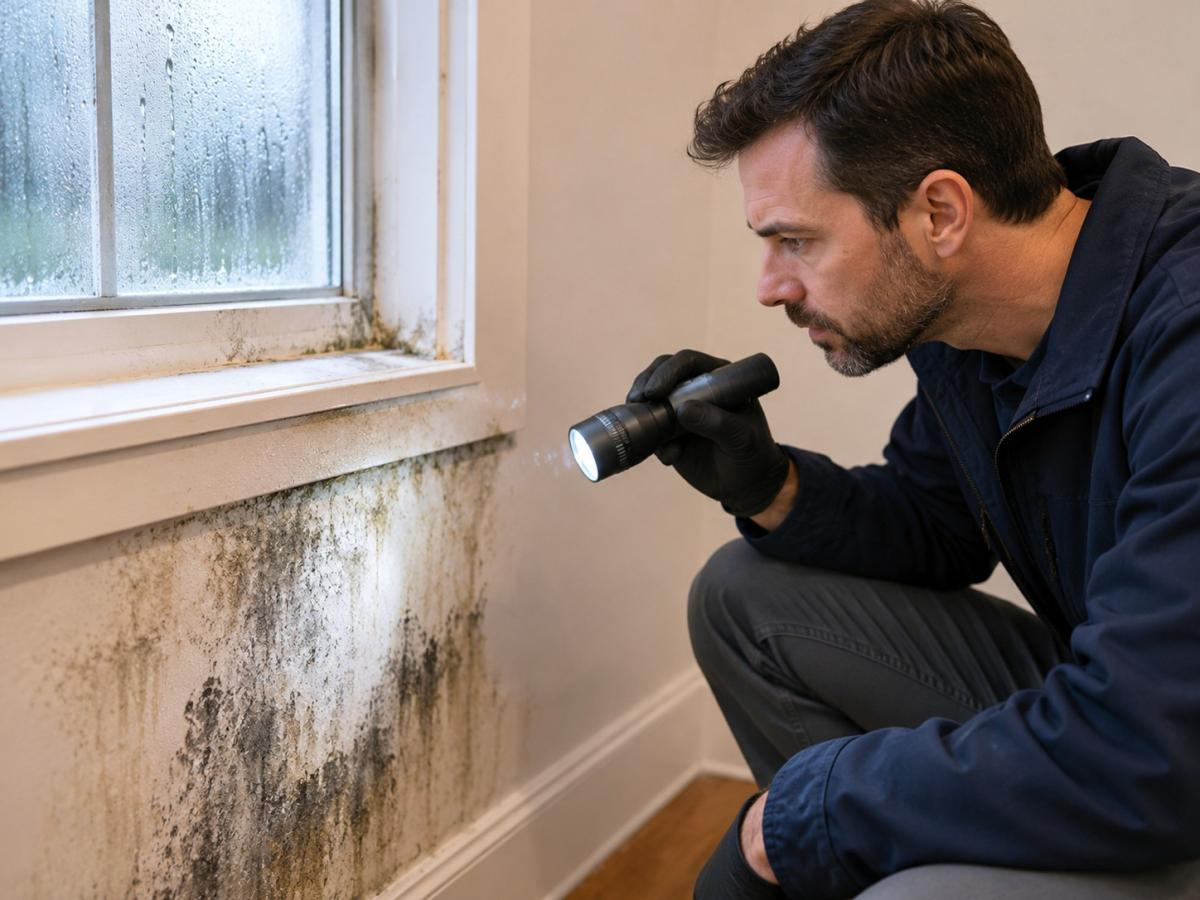
Mold removal is warranted when growth keeps returning, a room smells musty, or hidden moisture has damaged porous materials. At Boyle Contracting, mold removal in Suffolk County, NY means finding and correcting the wet condition, containing affected materials, and cleaning or removing growth safely. A dark spot alone does not prove a large problem, but spreading stains or a returning odor call for prompt evaluation.
Suffolk County, NY has humid summers and coastal storms that can leave homes with lingering indoor moisture. This advice fits visible or suspected household mold. It does not replace medical guidance or a housing decision in a rental dispute.
Use these quick matches to place your situation before you decide what to do:
-
A returning musty smell: find the moisture source before treating the surface.
-
A small mark on a hard surface: cleaning may fit after the leak is fixed and the area is dry.
-
Wet drywall, insulation, or spreading growth: arrange an evaluation before opening or painting over materials.
Moisture Clues That Make Mold Removal Necessary
Mold signs are easy to mistake for old paint, dust, or a one-time spill. The useful question is not how dark the patch looks, but whether water, air movement, and building material keep feeding it.
Does a musty odor mean hidden moisture?
A musty odor usually points to moisture that has not been corrected, even when no growth is visible. Damp drywall, carpet backing, or insulation will hold odor behind a wall or below a floor. A moisture source such as a leak or condensation can keep mold growth active after the surface dries. A moisture meter helps locate wetter areas beside a stain, while a flashlight shows seams and baseboards. If the odor fades after a room dries and no growth returns, removal may not be needed; a leaking pipe or wet foundation changes the call.
Does bleach fix mold on drywall?
Bleach is not a reliable answer for mold on porous building materials. A quick wipe may lighten a ceiling stain while growth remains in paper facing, insulation, or carpet padding, and bleach does not fix the wet condition. Hard, nonporous surfaces are a different case: detergent and water remove surface mold after the leak is fixed and the material is dried. EPA guidance says wet areas should be dried within 24 to 48 hours to limit mold growth. A larger area, repeated return, or damaged drywall moves the job beyond a simple wipe.
What the Cleanup Process Actually Changes
Cleanup changes the room only when the work controls dust, removes affected material, and leaves the structure dry. The order matters because a clean-looking surface can conceal wet layers.
What does containment change during mold removal?
Containment keeps disturbed mold and dust from moving into clean rooms during removal. Plastic barriers, sealed openings, and a filtered air machine create controlled airflow while affected materials are handled. The containment area is usually smaller than homeowners expect because the boundary follows the work zone, not the entire floor. A HEPA air scrubber filters airborne particles while the area stays isolated. A narrow bathroom wall may stay contained, while an open basement with connected air paths calls for a wider setup.
Why do porous materials stay risky after cleaning?
Porous materials with embedded growth often need removal because cleaning cannot reach every fiber or paper layer. Drywall, insulation, carpet padding, and some ceiling tiles absorb water differently, so the visible edge rarely marks the full affected section. A scraper line is not a reliable stopping point; the wet side of the wall matters more. EPA guidance notes that porous materials may need to be discarded when moldy, while hard surfaces are cleaned and dried. A small cutout can become larger when the backing is damp.
A Small Patch Is Not Always a Removal Job
A removal company is not automatically the answer to every stain. The sensible choice turns on material, moisture, size, and recurrence, not the fear attached to the word mold.
When does a stain need professional removal?
A stain needs professional evaluation when it spreads, returns after cleaning, or sits beside ongoing moisture. Booking mold removal in Suffolk County, NY is not automatically the right answer for every dark mark, because soot, tannin bleed, and old water staining can look similar. A contractor checks the material, moisture condition, and affected area before recommending removal. One dry, isolated mark on a hard surface may be cleaned without a remediation project, while fuzzy growth on wet drywall, repeated staining, or a hidden leak changes the decision.
What should any provider explain before starting?
Any contractor you hire should explain what happens after visible mold is removed. Ask, "How will you show the moisture source is fixed, and what will you check before closing the wall?" A good answer names a moisture reading or visual dryness check, the repair needed, and a post-remediation check, rather than promising that cleaning alone solves every case. Documentation matters because fresh paint can hide a returning stain. If the provider will not discuss drying or the final inspection, get another opinion before signing.
Suffolk County, NY Homes Need a Moisture Plan
Suffolk County homes face coastal humidity, storm water, and lower-level storage conditions that make hidden dampness easy to miss. Local context matters because drying and access look different in a basement than in an upstairs room.
How do humid summers affect mold signs here?
Humid summers make condensation and slow drying more noticeable in rooms with weak ventilation. Bathrooms, laundry areas, and closets against cool exterior walls deserve a closer look after repeated dampness. A dehumidifier lowers indoor moisture, but it will not repair a roof, pipe, foundation, or failed seal. A room that stays damp around windows or ductwork needs a building repair, not a stronger cleaner.
Where do basements and crawl spaces hide clues?
Basements and crawl spaces often hide the first clue below eye level, especially where stored boxes touch a cool wall or floor. Cardboard, wood shelving, and insulation hold dampness after a leak has stopped. Keep storage off the floor and leave space for inspection, but do not enter a visibly contaminated or unsafe area to investigate. A musty lower level with dry upstairs rooms still needs its own moisture check.
Why does storm cleanup start with drying?
After a heavy storm, drying comes before deodorizing because trapped water keeps mold conditions active behind finishes. Roof leaks, wind-driven rain, and backed-up drains leave different patterns, so the stain's shape does not identify the source by itself. A ceiling bubble, soaked insulation, or active leak calls for mold remediation services with controlled removal, not a ladder and a can of sealing paint.
Questions Homeowners Ask Before Mold Cleanup
Homeowners often ask about timing, safety, testing, and landlord communication before booking cleanup.
How soon should I call after finding mold?
Call promptly when water is still entering. Spreading growth or a returning odor warrants quick evaluation, while a small, dry mark with no recurrence is suitable for a scheduled visit.
Can I clean a small mold spot myself?
Sometimes, but only under narrow conditions. Clean a hard surface after the moisture source is fixed. Stop when growth is hidden, spreading, or attached to porous building material.
Do I need mold testing before removal?
Testing is not always needed first. Visible growth and a known moisture source give a practical starting point, and sampling cannot confirm that a wall is dry behind paint.
Is it safe to sleep in a room with mold?
Move sleeping areas away from visible growth. People with respiratory conditions, children, and older adults should ask a healthcare professional about personal exposure when odor and dampness continue.
Is it true that black mold is always the most dangerous?
No, color alone does not rank the risk. Identifying mold by appearance is unreliable, so the priorities remain stopping moisture, limiting disturbance, and deciding which materials need cleaning or removal.
How can I tell if mold is hidden behind a wall?
Repeated clues point toward hidden moisture. Odor, bubbling paint, soft drywall, or staining that returns after rain deserve inspection. A contractor uses visual review and moisture readings to decide whether a small opening is justified.
What should I check after the cleanup is finished?
Check dryness and the original repair. Look for eased odor, intact seams, and no fresh staining. Ask for photos of concealed work before the wall or ceiling is closed.
What if my landlord will not address mold in Suffolk County, NY?
Document the problem and request a written response. Describe the location and water issue, keep dated photos, and seek current guidance from a local housing or health authority if the condition affects habitability.
Getting Help With a Mold Removal Decision
One practical detail gets missed: contents near a damp wall may carry odor even after the wall is cleaned. Ask any provider, "Which materials are you removing, and which are you leaving in place?" A good answer identifies drywall, insulation, and personal contents separately and explains the reason for each decision. That distinction keeps a cosmetic fix from hiding a continuing building problem.
If you want help sorting out suspected growth, describe the room, odor, water history, and material involved, and Boyle Contracting can walk you through the next step. Call us at (631) 424-0007.

Hi, I’m Freya Parker, an automotive expert focused on helping car owners make smarter decisions when selling their vehicles. I specialise in breaking down the car-selling process in a simple, practical way from understanding your car’s real value to reading market trends and spotting the right time to sell. My goal is to give you clear, honest guidance so you can confidently get the best possible price for your car without confusion or stress. Whether you’re selling for the first time or just want a better deal, I’m here to make the process straightforward, transparent, and rewarding






Comments (0)