

Superficial vs Medium Chemical Peel in Dubai: Which Depth Fits Your Skin Type?
Compare superficial and medium Chemical Peel in Dubai options to understand depth, suitability, and recovery.
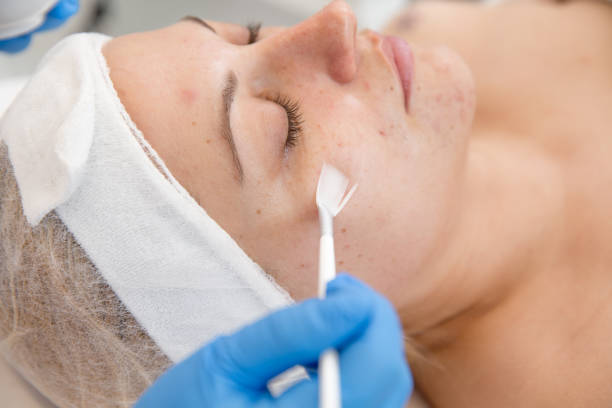
Choosing the right exfoliation treatment involves more than selecting an acid or deciding how much peeling to expect. The depth of a Chemical Peel in Dubai determines which skin layers are affected, the concerns that may be addressed, and the amount of recovery involved.
Superficial and medium-depth peels are two commonly discussed categories. Although both aim to improve selected surface concerns, they differ in treatment intensity, suitability, and potential risks. Understanding these differences helps patients have more informed conversations with a qualified dermatology professional.
Understanding the Difference Between Peel Depths
Chemical peels are classified according to how deeply their ingredients affect the skin.
A superficial peel mainly targets the outer epidermal layers. A medium-depth peel penetrates further through the epidermis and into the upper dermis.
This distinction matters because deeper penetration generally involves more significant skin injury and a longer recovery process.
What Is a Superficial Chemical Peel in Dubai
A superficial peel is designed to exfoliate the outermost layers of the skin. Depending on its formulation, it may use ingredients such as glycolic acid, lactic acid, mandelic acid, or salicylic acid.
It may be considered for selected concerns, including:
-
Mild surface roughness
-
Dull-looking skin
-
Some forms of uneven skin tone
-
Certain types of superficial acne-related marks
-
Mild congestion in suitable skin types
Recovery is generally shorter than with a medium-depth procedure. Patients may experience temporary dryness, tightness, or fine flaking rather than extensive peeling.
What Is a Medium-Depth Chemical Peel in Dubai
A medium-depth peel affects the full epidermis and can extend into the upper dermis. Trichloroacetic acid, commonly known as TCA, may be used in appropriately selected formulations and protocols.
Depending on the patient's skin condition and professional assessment, medium-depth peels may be considered for more pronounced surface damage, selected pigmentation concerns, and certain fine lines.
The treatment creates a more substantial controlled injury than a superficial peel. This means redness, peeling, sensitivity, and recovery time can be more significant.
It is not automatically the better option simply because it reaches deeper layers.
Which Skin Concerns May Suit Each Peel Depth
The right choice depends on the type, severity, and cause of the concern.
| Skin concern | Superficial peel | Medium-depth peel |
|---|---|---|
| Mild dullness | May be suitable | Often more intensive than necessary |
| Minor rough texture | May be suitable | May be considered in selected cases |
| Some superficial pigment changes | May help selected cases | May be considered after assessment |
| More pronounced sun damage | May offer limited improvement | May be considered for suitable candidates |
| Fine surface lines | May provide modest improvement | May offer a more intensive approach |
| Deep structural acne scars | Usually insufficient alone | Not necessarily sufficient alone |
Chemical peels are not interchangeable treatments for every pigmentation or scarring concern. Deep acne scars, for example, may require procedures that address the underlying scar structure.
How Skin Type Influences Peel Selection
Oily and Congestion-Prone Skin
Some superficial formulations containing salicylic acid may be considered for oily or congested skin. Salicylic acid is oil-soluble, which influences how it interacts with oil-rich areas.
However, not every oily skin type is suitable for the same concentration or treatment schedule. Active irritation, sensitivity, and the type of acne should be considered.
Dry or Dehydrated Skin
Dry skin may need a cautious approach because exfoliation can temporarily increase tightness and discomfort.
A superficial formulation may be considered when appropriate, but the clinician should first assess barrier health. Medium-depth treatments require more careful evaluation because of their greater recovery demands.
Sensitive Skin
Sensitive skin does not automatically rule out every chemical peel. However, a history of reactions, persistent redness, eczema, or barrier damage can affect treatment suitability.
A professional may recommend postponing treatment, adjusting the approach, or selecting an alternative procedure.
Skin Prone to Pigmentation
Patients with darker skin tones or a history of post-inflammatory hyperpigmentation need careful treatment selection. Both superficial and medium-depth peels can carry pigmentation risks if they cause excessive irritation.
Melasma also requires particular caution because inflammation and ultraviolet exposure may aggravate the condition. A deeper peel should never be selected simply to pursue a stronger result.
Recovery Differences Between Superficial and Medium Peels
Superficial Peel Recovery
Recovery is usually more manageable, although temporary dryness, redness, or fine peeling can occur.
Patients should still follow post-treatment instructions and protect their skin from sunlight. Repeated treatments should be scheduled according to the clinician's assessment rather than performed too frequently.
Medium-Depth Peel Recovery
Medium-depth procedures generally involve more visible peeling and a longer healing period. Redness and sensitivity can continue after the most noticeable shedding has ended.
Patients may need to adjust work, social activities, and outdoor plans. Follow-up care is important, especially when the treatment involves more substantial skin renewal.
Comparing Potential Risks
The risks of a chemical peel depend on the formulation, depth, technique, and individual skin characteristics.
Potential complications include:
-
Persistent redness or irritation
-
Excessive dryness
-
Chemical burns
-
Infection
-
Delayed healing
-
Post-inflammatory hyperpigmentation or hypopigmentation
-
Scarring, particularly after inappropriate or overly aggressive treatment
Medium-depth peels generally require more careful recovery planning because they affect deeper skin layers. However, superficial treatments can also cause complications if incorrectly selected or applied.
How a Dermatologist Determines the Appropriate Depth
Assessment of Skin Condition
A professional assessment should identify whether the concern is caused by surface dryness, acne-related pigmentation, sun damage, melasma, or structural scarring.
These conditions may look similar but can require different treatment strategies.
Review of Medical and Skincare History
The clinician may ask about previous peels, active skincare ingredients, medications, recent procedures, skin reactions, and any history of abnormal pigmentation or scarring.
This information helps identify potential risks and determine whether treatment should be delayed or modified.
Setting Realistic Treatment Goals
A superficial peel may be more appropriate for gradual maintenance, while a medium-depth procedure may be considered for selected concerns that need a more intensive approach.
The goal should be meaningful improvement with an acceptable level of risk and recovery, not simply maximum treatment strength.
Clinic Note: Peel depth should be chosen according to skin condition and individual risk factors rather than popularity or expected peeling. Tajmeels Clinic encourages a consultation-led approach to understanding which treatment options may be appropriate.
Make an Informed Choice About Peel Depth
Superficial and medium-depth peels serve different purposes. The first generally focuses on the outer skin layers and involves a shorter recovery, while the second reaches deeper and requires more careful planning.
For patients considering a Chemical Peel in Dubai, Tajmeels Clinic can provide information about available treatment options and the factors that influence suitability. A personalised consultation helps establish realistic goals and an appropriate treatment approach.
Frequently Asked Questions

I’m part of Tajmeels Clinic in Dubai, sharing insights on Rhinoplasty Dubai, facial harmony, skincare, hair restoration, and personalized aesthetic care. lear more: https://tajmeels.ae/en/plastic-surgery/closed-rhinoplasty/








Comments (0)