

What Makes the Best Body Kit Installation Shops Stand Out?

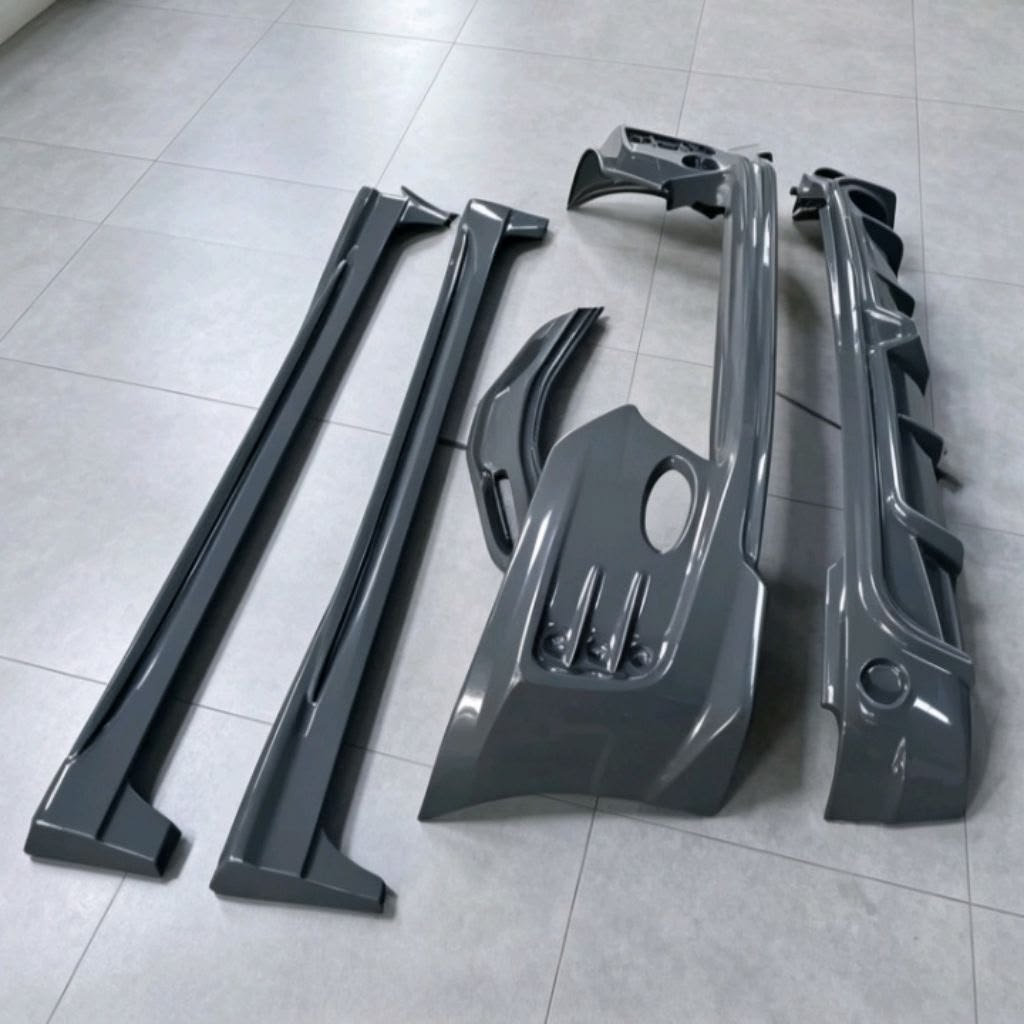
You’ve picked the kit, paid for it, maybe waited weeks while it sat in a depot somewhere. Now it’s in your garage, and a nagging thought creeps in. Who’s actually going to fit this thing? That’s when most people start hunting for body kit installation shops, and honestly, it’s where things can go sideways. Some shops do beautiful work. Others will happily take your money, hack at your bumper, and hand it back with gaps you could post a letter through. From the outside they all look similar. Tidy website, a few glossy photos, a confident voice on the phone. So how do you tell the good ones from the dodgy ones? Let’s go through it, no fluff, just what actually matters when you’re handing over your car.
Look at the Workshop and the People
Start with the obvious. Visit in person if you can. A decent shop is organised, not spotless exactly, but you can tell they respect the cars. Panels are stored properly, not leaning against a wall with tools dumped on top. Cars in the bays are protected with covers or mats. Staff talk to you like a person, not a walking wallet. Ask how long they’ve been fitting kits, and what cars they usually work on. A shop that does Subarus all day might not be the best fit for your BMW, and the other way round. Look for experience with your kit’s material, whether that’s polyurethane, fibreglass, or carbon. And notice how they respond to awkward questions. Good ones answer straight. Bad ones get vague or defensive, and that tells you plenty.
Check Their Past Work Properly
Photos help, but they only show so much. Ask to see finished cars in person, or request close-up pictures from different angles, especially panel gaps, edges, and paint transitions. You’re looking for even gaps, smooth lines, and paint that matches the rest of the car in daylight. Mismatched colour is the giveaway of a sloppy job. Check reviews, but read them properly. Do people mention communication, deadlines, and how problems were handled? Every shop gets the odd awkward customer, so one bad review isn’t a dealbreaker. A pattern is. Talk to people who’ve had work done there if you can. Car meets, local forums, and social media groups are surprisingly useful for this. People love sharing both the glowing recommendations and the horror stories, and you’ll learn a lot from both.
Questions to Ask Before You Hand Over the Keys
Don’t be shy. Ask how they deal with fitment problems, because almost every aftermarket kit needs adjusting. Ask if they dry fit everything before paint, which is the only sensible way. Ask who does the painting, whether in-house or outsourced, and how they match colours. Ask what mounting materials they use, like adhesives, rivets, and brackets, and whether they modify the original bodywork. Find out how long the job will take and what might cause delays. Ask what happens if a panel doesn’t fit or arrives damaged. And ask about insurance, since your car is sitting in their building. A good shop has liability cover and won’t flinch at the question. If they dodge, or say “don’t worry about it”, treat that as a real red flag.
Quotes, Pricing, and What Drives the Cost
Let’s talk money, since it catches people out. Quotes vary hugely, and the cheapest isn’t always the winner. Labour depends on the car, the complexity of the kit, and the shop’s rates. Paint and prep often make up a big chunk, especially for metallic or pearl colours that need careful blending. A front lip is a small job, a full widebody conversion is a monster. Get an itemised quote that separates labour, paint, materials, and any extra bodywork, and get it in writing. Find out what happens if the shop discovers rust or damaged mounting points halfway through, and how they’ll charge for it. Beware of vague totals or prices that seem too good. Rushed fitment and cheap paint show up later as cracking, peeling, or panels that don’t sit right. Pay for skill, pay once.
Red Flags That Should Make You Walk
Some warning signs are pretty clear. No written quote, or a price that changes every time you ask. Refusing to show past work. Pressure to pay everything upfront with a vague timeline. A chaotic workshop where cars sit half-finished for months. Bad-mouthing every other shop in town. Promising a perfect fit on a kit known for poor quality, because honest installers warn you about problem kits. Dodging questions about insurance or warranty. Rushing you into a decision. Another one is a shop that wants to cut or heavily modify your car without explaining why. Trust your gut here. If something feels off, it usually is. There are plenty of other shops out there, and it’s far easier to walk away at the start than to fix a mess afterwards.
Warranty, Aftercare, and Looking After the Finish
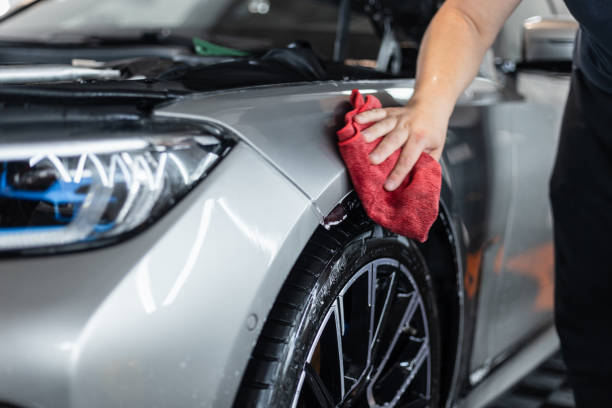
A good shop stands behind its work. Ask what the warranty covers, whether it includes paint, fitment, and mounting hardware, and for how long. Get it in writing. After the install, fresh paint needs time to cure, so avoid waxing and harsh washes for a few weeks, and stick to gentle hand washing. Then think about protection. Low-mounted parts like lips and skirts take a beating from stones, kerbs, and road grime. Proper car care Ireland drivers can rely on matters even more here, since wet roads, grit, and salt hammer new paint. Consider polishing and sealing the panels once cured, or a ceramic coating for easier cleaning, plus paint protection film on high-impact areas. Wash by hand with a soft mitt, and avoid automatic washes with harsh brushes.
Conclusion
Fitting a kit well takes skill, patience, and honest communication. The best results come from shops that take time over fitment, prep, and paint, not the ones racing to finish. So visit in person, check past work, ask awkward questions, and get everything in writing. Watch for red flags, and don’t let a cheap quote rush you. When you’re comparing body kit installation shops, think about the whole picture, including warranty, aftercare, and how they treat you from the first phone call. Afterwards, protect the finish with sensible maintenance and a proper wash routine, so your investment keeps looking good. Do your homework now, and you’ll end up with a car you’re proud to park anywhere. Cut corners, and you’ll just pay twice.







Comments (0)