

Understanding cGMP Compliance in Pharmaceutical Manufacturing

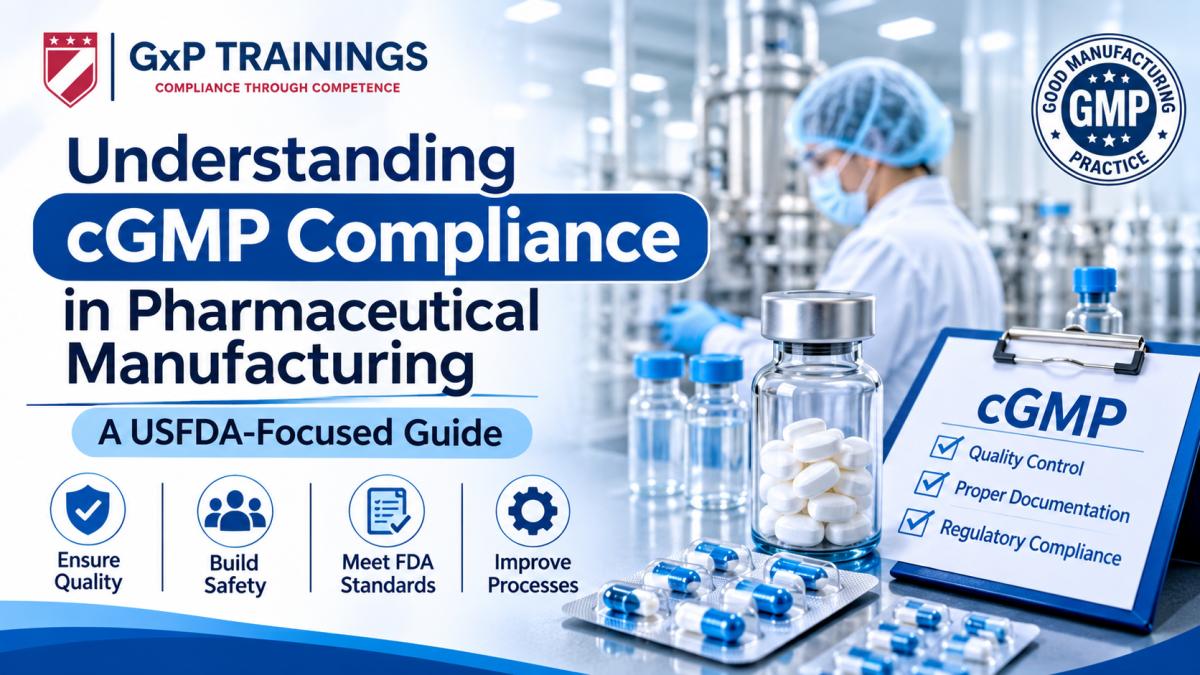
The pharmaceutical industry follows strict quality standards to ensure that medicines are safe, effective, and consistent. Every stage of drug manufacturing, from receiving raw materials to packaging and distribution, requires proper control and monitoring. Even a small error during production can affect the quality of a finished medicine and create risks for patients.
Current Good Manufacturing Practices (cGMP) provide a framework that helps pharmaceutical companies maintain these standards. These practices establish guidelines for manufacturing processes, quality control, employee responsibilities, equipment maintenance, and documentation. For companies supplying medicines to the United States, understanding FDA cGMP requirements is particularly important.
What Is cGMP in Pharmaceutical Manufacturing?
Current Good Manufacturing Practices are regulations and guidelines designed to ensure that pharmaceutical products are consistently manufactured and controlled according to established quality standards.
In the United States, the Food and Drug Administration (FDA) regulates pharmaceutical manufacturing through 21 CFR Part 210 and 21 CFR Part 211. Part 210 covers general cGMP provisions, while Part 211 focuses specifically on finished pharmaceutical products.
These regulations apply to different manufacturing activities, including production, processing, packaging, labeling, testing, and storage. Their main objective is to prevent contamination, manufacturing errors, and quality defects that could compromise patient safety.
Why Is cGMP Compliance Important?
Following cGMP requirements is essential for maintaining product quality and meeting regulatory expectations. Pharmaceutical manufacturers must establish reliable procedures to ensure that every batch meets the required specifications.
Some important benefits of cGMP compliance include:
1. Consistent Product Quality
Proper manufacturing controls help ensure that medicines maintain consistent identity, strength, quality, and purity. Standardized procedures also reduce variations between production batches.
2. Improved Patient Safety
Quality checks, contamination controls, and proper handling procedures help reduce the risk of unsafe or defective medicines reaching consumers.
3. Better Manufacturing Processes
Documented procedures and equipment maintenance help organizations identify problems, reduce errors, and improve operational efficiency.
4. Regulatory Compliance
Following FDA requirements helps pharmaceutical companies prepare for inspections and demonstrate that their manufacturing operations meet applicable regulatory standards.
5. Reduced Manufacturing Risks
Regular monitoring, employee training, and quality assessments help identify potential issues before they affect finished products.
Key Elements of cGMP for Finished Pharmaceuticals
Several important areas contribute to effective cGMP implementation in pharmaceutical facilities.
1. Personnel Training and Qualifications
Employees involved in pharmaceutical manufacturing must have the appropriate education, experience, and training to perform their assigned responsibilities. They should understand the procedures relevant to their roles and receive ongoing training to remain familiar with current requirements.
2. Facility and Equipment Management
Manufacturing facilities should be properly designed, maintained, and cleaned to prevent contamination. Equipment must also be suitable for its intended purpose, regularly inspected, and maintained according to established procedures.
3. Materials Management
Raw materials, packaging components, and other supplies must be properly received, identified, tested, and stored. Manufacturers should maintain controls to prevent the use of unsuitable or incorrectly labeled materials.
4. Production and Process Controls
Every manufacturing process should follow approved written procedures. Important activities such as weighing, mixing, processing, and in-process testing must be monitored to maintain consistent product quality.
5. Quality Control and Laboratory Testing
Laboratory controls help verify that raw materials, in-process materials, and finished products meet established specifications. Testing methods should be appropriate, documented, and properly controlled.
6. Documentation and Record Keeping
Accurate documentation is an essential part of pharmaceutical quality management. Batch production records, laboratory results, equipment maintenance records, and deviation reports help organizations demonstrate that activities were performed according to approved procedures.
The Role of Employee Training in cGMP Compliance
Even well-designed manufacturing systems depend on employees who understand their responsibilities. A lack of awareness about quality procedures can lead to documentation errors, contamination risks, incorrect material handling, and other manufacturing problems.
Structured learning helps employees understand regulatory expectations and apply them in their daily activities. Professionals working in quality assurance, quality control, production, packaging, engineering, and regulatory affairs can benefit from relevant pharmaceutical quality training.
Organizations can also use specialized learning programs to strengthen their employees' understanding of FDA regulations. For example, cGMP training covering finished pharmaceuticals and USFDA requirements can help professionals develop knowledge of regulatory frameworks, quality systems, production controls, laboratory procedures, and documentation practices.
Regular training, practical assessments, and updated procedures help build a stronger quality culture across the organization.
Common Challenges in Maintaining cGMP Standards
Despite having established procedures, pharmaceutical companies may face challenges while maintaining compliance.
Some common issues include:
-
Incomplete or inaccurate manufacturing documentation.
-
Insufficient employee training and awareness.
-
Poor equipment maintenance and calibration.
-
Inadequate control of raw materials and suppliers.
-
Weak deviation investigation and corrective action procedures.
-
Gaps in process validation and quality monitoring.
Companies can address these challenges through regular internal audits, effective training programs, proper documentation, and continuous improvement initiatives.
Frequently Asked Questions (FAQs)
1. What does cGMP stand for?
cGMP stands for Current Good Manufacturing Practices. It refers to regulatory requirements and quality practices that help ensure pharmaceutical products are consistently manufactured and controlled.
2. What are 21 CFR Parts 210 and 211?
21 CFR Part 210 covers general cGMP provisions for drug manufacturing, while Part 211 establishes requirements specifically for finished pharmaceutical products.
3. Who needs cGMP training?
Quality assurance professionals, quality control analysts, production operators, laboratory personnel, packaging staff, and regulatory affairs professionals can benefit from cGMP training.
4. Why is documentation important in pharmaceutical manufacturing?
Documentation provides evidence that manufacturing activities, testing, and quality checks have been completed according to approved procedures. It also supports traceability and regulatory inspections.
5. How often should pharmaceutical employees receive cGMP training?
Employees should receive initial and continuing training at a frequency sufficient to keep them familiar with the cGMP requirements relevant to their responsibilities.
Conclusion
Maintaining cGMP compliance is essential for pharmaceutical companies that want to produce safe, consistent, and high-quality medicines. Proper employee training, controlled manufacturing processes, equipment maintenance, laboratory testing, and accurate documentation all contribute to an effective quality system. By investing in continuous learning and strengthening daily quality practices, pharmaceutical organizations can improve manufacturing standards, manage compliance risks, and support patient safety.










Comments (0)