

Why Is Rising Epilepsy Prevalence Increasing Demand in the Antiepileptic Drugs Market?
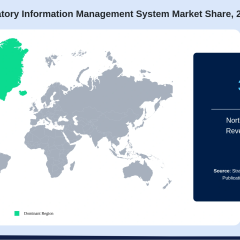
The global antiepileptic drugs market size was valued at USD 18.8 billion in 2025 and is projected to grow from USD 19.79 billion in 2026 to USD 29.85 billion by 2034, registering a CAGR of 5.27% during the forecast period from 2026 to 2034. North America dominated the antiepileptic drugs market with a market share of 39.2% in 2025.

The global antiepileptic drugs market size was valued at USD 18.8 billion in 2025 and is projected to grow from USD 19.79 billion in 2026 to USD 29.85 billion by 2034, registering a CAGR of 5.27% during the forecast period from 2026 to 2034. North America dominated the antiepileptic drugs market with a market share of 39.2% in 2025.
The antiepileptic drugs market includes medicines used to control seizures in people with epilepsy. These drugs help regulate abnormal electrical activity in the brain and reduce the frequency of seizures. They are also used to manage certain other conditions, including neuropathic pain, migraine prevention, and bipolar disorder. Rising epilepsy prevalence, improvements in treatment options, and pharmaceutical research are supporting market growth.
Market Drivers
Rising Prevalence of Epilepsy
The increasing prevalence of epilepsy is supporting demand for antiepileptic drugs. Patients often require long-term medication to control seizures and manage their condition. Greater awareness of neurological disorders and improved access to diagnosis encourage more people to seek treatment.
Pharmaceutical companies are also developing medicines for different seizure types and patient groups. These developments help healthcare providers select treatments based on patient needs and improve disease management.
Growing Research and Development
Research and development activities are creating opportunities for new antiepileptic drugs. Some patients do not respond well to existing medicines or experience side effects that affect treatment. Pharmaceutical companies are therefore working on therapies that provide better seizure control and improve tolerability.
Regulatory approvals also support the introduction of new treatment options. For example, the U.S. FDA approved Valtoco, a nasal spray for seizure clusters, in 2020. Such developments expand treatment choices and support market growth.
Market Restraints
Shortages of Epilepsy Medicines
Medicine shortages can limit access to essential antiepileptic treatments, particularly in markets with supply chain challenges. Patients who depend on regular medication may face difficulties obtaining their prescribed drugs. These disruptions can affect treatment continuity and restrict market growth.
Market Segmentation
By Drug Generation
-
First-generation drugs
-
Second-generation drugs
-
Third-generation drugs
The second-generation drugs segment dominates the market. Medicines such as Keppra and Lyrica are used to manage epilepsy and related conditions. Their established clinical use and ability to help control seizures support demand.
Third-generation drugs, including Vimpat and Briviact, also contribute to market growth. Research, new approvals, and demand for additional treatment options support this segment. First-generation medicines remain available, although newer therapies are creating greater competition.
By Distribution Channel
-
Hospital pharmacies
-
Retail pharmacies
-
Online pharmacies
Hospital pharmacies dominate the distribution channel segment. Hospitals treat patients with acute and chronic neurological conditions and provide access to specialist care. The availability of medical facilities and reimbursement support also encourages patients to obtain medicines through hospital pharmacies.
Retail pharmacies serve patients who need regular prescriptions for ongoing treatment. Online pharmacies provide another purchasing option by improving convenience and access to medicines. Growth across these channels depends on healthcare access, prescription requirements, and medicine availability.
Regional Insights
North America
North America dominated the antiepileptic drugs market with a 39.2% share in 2025. The region benefits from established healthcare infrastructure, greater access to neurological diagnosis, and the availability of advanced medicines. Reimbursement policies and awareness campaigns also support treatment access.
The United States plays an important role through pharmaceutical research, regulatory approvals, and the introduction of new treatment options. For example, the FDA's approval of BRIVIACT for younger patients with partial-onset seizures expanded its use across additional patient groups.
Europe
Europe represents an important market for antiepileptic drugs. Rising awareness of epilepsy, demand for effective treatment, and regulatory developments support regional demand. Pharmaceutical research and the availability of newer medicines also contribute to market development.
Asia-Pacific
Asia-Pacific is expected to experience significant growth during the forecast period. Increasing awareness of epilepsy, improving healthcare access, and regulatory approvals support demand for antiepileptic medicines. Expanding pharmaceutical activities and wider availability of treatment options also create opportunities for market participants.
Latin America and the Middle East and Africa
These regions offer opportunities as healthcare services and access to neurological treatments continue to develop. Greater awareness of epilepsy and improved medicine availability can support demand. However, access to essential medicines and supply chain limitations remain important considerations for market development.
Key Players Analysis
Key players in the antiepileptic drugs market include:
-
UCB S.A.
-
Pfizer Inc.
-
GlaxoSmithKline plc.
-
H. Lundbeck A/S
-
Eisai Co. Ltd.
-
Sanofi
-
Sunovion Pharmaceuticals Inc.
-
GW Pharmaceuticals plc.
These companies compete through drug development, product launches, clinical research, and improvements in treatment options. Their activities focus on addressing different seizure types and patient needs while expanding access to effective therapies.
For detailed insights, Visit:
https://straitsresearch.com/report/antiepileptic-drugs-market
About Us
Straits Research is a global market intelligence and consulting organization that provides industry research reports, business intelligence, and strategic insights. Its research helps businesses understand market trends, assess competition, and identify growth opportunities.
Contact Us
Email: [email protected]
U.S.: +1 646 905 0080
U.K.: +44 203 695 0070
Digital Marketer











Comments (0)