

Understanding the Prone Position: How Gel Pads Keep Patients Safe During Back and Spine Surgery
Learn how prone position gel pads improve patient comfort, maintain proper body alignment, and reduce pressure injuries during back and spine surgery.

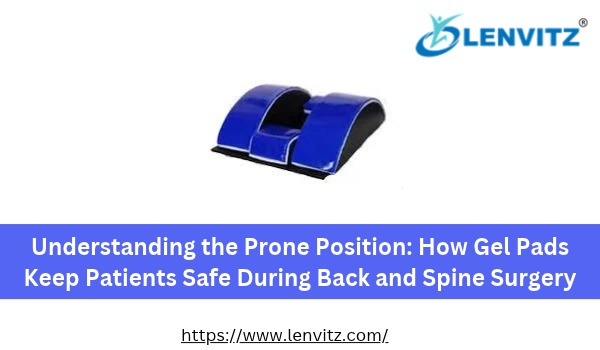
If you or a loved one are preparing for spine, back, or neck surgery, you might hear the surgical team mention lying face down on the operating table. In medical terms, lying flat on your stomach is known as the Prone Position. While this posture gives surgeons clear access to the back of the body, staying face down for hours requires careful cushioning. That is where specialized prone position gel pads come in to keep patients safe, supported, and comfortable.
What Is the Prone Position in Surgery?
During many everyday medical procedures, patients lie flat on their backs. However, when a doctor needs to operate on the spine, posterior brain, or back of the legs, the Prone Position is essential. Because the patient is under anesthesia, they cannot shift their weight if a body part starts to feel numb or sore.
Lying face down puts natural pressure on the forehead, cheekbones, chest, hips, and knees. Without proper padding, the weight of the body against a hard operating table can restrict breathing, block healthy blood circulation, and cause painful skin redness or nerve strain after the procedure.
Essential Cushions Used for Face-Down Procedures
To protect the body from head to toe, operating room teams use soft, medical-grade silicone cushions that mimic human tissue. These cushions evenly spread out body weight so no single bone takes too much pressure.
Protecting the Face and Airway with a Prone Head Rest
One of the most delicate parts of lying face down is supporting the head and neck. A prone head rest is a specially contoured cushion with open spaces for the eyes, nose, and mouth. It gently cradles the forehead and chin while keeping the airway completely clear for breathing tubes. By preventing direct pressure on the eyes and face, this cushion ensures patients wake up without facial bruising or vision strain.
Full-Body Support with an OT Table Mat and Chest Rolls
Before the patient is even placed face down, the surgical bed is covered with a protective ot table mat. This full-length silicone layer absorbs shock, prevents the patient from slipping, and insulates the body against the cold metal table.
In addition to the main mat, surgical teams place prone position gel pads—such as chest rolls and pelvic bolsters—under the torso and hips. Lifting the chest and stomach slightly off the table allows the lungs to expand naturally, making it much easier for the patient to breathe smoothly throughout the operation.
Why Proper Cushioning Matters for Patient Recovery
For the everyday patient, understanding how surgical teams use prone position gel pads offers reassuring peace of mind. A well-cushioned operating table does more than just prevent temporary soreness:
-
Prevents Pressure Sores: Soft silicone reduces friction and keeps skin healthy during long operations.
-
Protects Sensitive Nerves: Targeted pads under the elbows, knees, and toes prevent post-surgery tingling or numbness.
-
Speeds Up Healing: When patients wake up without preventable aches or stiffness, they can focus entirely on recovering from their surgery.
From the foundational ot table mat to the contoured prone head rest, every piece of medical gel cushioning plays a vital role. By combining thoughtful surgical care with advanced support materials, hospitals ensure that even complex procedures in the Prone Position are as safe and comfortable as possible.









Comments (0)