

How Is Hairline Symmetry Evaluated at Tajmeels Clinic?
how Tajmeels Clinic evaluates facial proportions, temple positions and hair growth patterns to plan balanced, natural-looking hair transplant results.
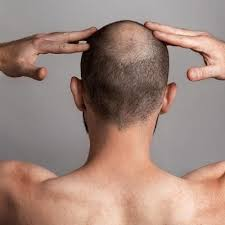
A natural-looking hairline plays an important role in facial balance and overall appearance. During Hair Transplant in Dubai planning, evaluating hairline symmetry helps determine how the new hairline should complement a person's facial features, existing hair growth, and natural hair direction. However, symmetry does not always mean creating an identical shape on both sides. Small differences are naturally present in most faces and hairlines.
In Dubai, individuals considering hair restoration often want results that look balanced and suit their facial proportions. Understanding how hairline symmetry is assessed can help patients make informed decisions before undergoing a hair transplant.
What Does Hairline Symmetry Mean in Hair Transplantation?
Hairline symmetry refers to the visual balance between the left and right sides of the frontal hairline. It involves examining the height, shape, temple positions, and overall distribution of hair across the forehead.
A symmetrical hairline should complement the person's natural facial structure rather than follow a fixed design. For example, someone with a rounded face may require a different hairline shape from someone with a longer or more angular face.
Hairline evaluation also considers natural irregularities. A perfectly straight or artificially identical hairline may look unnatural because real hairlines usually contain subtle variations.
Why Is Facial Proportion Important When Evaluating Hairline Symmetry?
Facial proportions provide an important reference when planning a hair transplant. The forehead, eyebrows, temples, and facial width help determine where the frontal hairline should sit.
Several features are commonly considered during assessment:
-
Forehead height: Helps establish an appropriate hairline position.
-
Facial shape: Influences whether a softer, rounded, or more defined hairline is suitable.
-
Temple structure: Helps evaluate the balance between the frontal hairline and side areas.
-
Existing hair growth: Provides information about natural direction and density.
-
Facial asymmetry: Helps avoid creating a design that looks artificially uniform.
Considering these characteristics allows the hair restoration plan to reflect the individual's natural appearance.
How Is Hairline Symmetry Evaluated Before a Hair Transplant?
Hairline assessment involves more than simply measuring the distance between the forehead and eyebrows. A detailed evaluation considers several physical and medical factors.
1. Examining the Existing Hairline
The first step involves observing the current hairline and identifying areas affected by thinning or recession. The assessment may include the frontal region, temples, and surrounding hair density.
This helps establish which areas require attention and how much existing hair can be preserved.
2. Assessing Left and Right Side Differences
The two sides of the forehead are examined to identify differences in hairline height, recession, and temple shape. These variations are important because naturally occurring asymmetry should be considered during treatment planning.
The objective is to achieve visual balance rather than force both sides into an identical pattern.
3. Reviewing Hair Growth Direction
Hair does not grow in the same direction across every part of the scalp. Frontal hair may grow forward, while temple hair can follow a different angle.
Understanding these patterns helps guide graft placement. Matching the natural direction and angle of hair growth contributes to a more realistic appearance.
4. Evaluating Donor Hair Availability
Donor hair availability is another important consideration. Hair follicles are usually collected from a suitable donor area, often at the back or sides of the scalp.
The quality, density, and characteristics of available donor hair influence how the frontal hairline can be restored. A realistic plan should consider both the desired appearance and the limitations of the donor supply.
What Role Does Age and Future Hair Loss Play?
Age and the possibility of continued hair loss are important factors in hairline design. A very low or youthful hairline may not remain suitable if surrounding natural hair continues to thin over time.
Hair transplant planning should consider the individual's current hair loss pattern, family history, medical background, and potential future changes.
A balanced design should look appropriate at the time of treatment while also considering how the appearance may change as the person gets older.
How Does Tajmeels Clinic Evaluate Hairline Symmetry?
At tajmeels clinic dubai, hairline assessment is an important part of personalised hair transplant planning. The evaluation considers facial proportions, existing hair density, temple recession, scalp condition, and available donor hair.
The clinic-based assessment helps identify the areas that may benefit from restoration and whether the desired hairline is realistic for the individual's circumstances. Hair direction, graft distribution, and the possibility of future hair loss are also relevant considerations.
Rather than relying on a standard hairline shape, treatment planning should reflect individual facial characteristics and hair growth patterns. A consultation also provides an opportunity to discuss expectations, suitable techniques, potential limitations, and recovery requirements before making a decision.
Can an Asymmetrical Hairline Be Corrected Through Hair Transplantation?
A hair transplant may help improve the appearance of an uneven or receding hairline when the individual is considered a suitable candidate.
For example, one temple may have more recession than the other, or the frontal hairline may appear uneven because of localised thinning. Carefully planned follicle placement can help improve these areas.
However, the achievable improvement depends on donor hair availability, scalp condition, existing hair density, and the extent of hair loss. A transplant cannot guarantee perfect symmetry, and the final appearance develops gradually as transplanted follicles progress through their growth cycle.
What Should Patients Discuss During a Hair Transplant Consultation?
Before proceeding with hair restoration, patients should discuss their expectations and medical history with a qualified healthcare professional.
Useful questions include:
-
Which hairline shape would complement my facial proportions?
-
How much donor hair is available?
-
Can existing hair be preserved during transplantation?
-
How will future hair loss influence the planned design?
-
What results are realistic for my hair density?
-
What are the possible risks and recovery requirements?
These questions help patients understand the procedure and make decisions based on professional assessment rather than appearance expectations alone.
Conclusion
Hairline symmetry is an important consideration in achieving natural-looking hair transplant results. Evaluating facial proportions, temple positions, existing hair growth, and donor availability helps create a personalised restoration plan. A balanced hairline should complement individual features rather than follow a standard design. Professional assessment at Tajmeels Clinic can help patients understand suitable hair restoration options and develop realistic expectations before treatment.
More Information
Tajmeels Clinic Dubai
WhatsApp: +971 56 203 8751
Phone: tel:+971 43739000
Social Media:

Tajmeels clinic is different from other cosmetic resorts because our doctors are specialized in their fields from the best organizations in the world











Comments (0)