

Can Hair Transplant Help Restore Hair Density Around the Crown?
how hair transplant can restore crown hair density, improve scalp coverage, and create natural-looking results through personalised treatment planning.
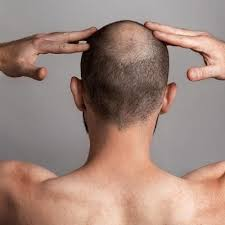
Hair thinning around the crown is a common concern among men experiencing pattern hair loss. The crown, also known as the vertex, is the upper-back area of the scalp where hair naturally grows in a circular pattern. When hair density decreases in this region, the scalp may become increasingly visible, particularly under bright lighting or when the hair is wet. A Hair Transplant in Dubai can help restore coverage in this area by relocating healthy hair follicles from a donor region to the thinning crown.
However, achieving natural-looking crown coverage requires careful planning, an understanding of hair loss patterns, and an individual assessment of scalp and donor hair characteristics.
Why Does Hair Thinning Occur Around the Crown?
Crown hair thinning is frequently associated with androgenetic alopecia, commonly known as male pattern baldness. This condition is influenced by genetic factors and the sensitivity of hair follicles to dihydrotestosterone (DHT).
Over time, susceptible follicles gradually become smaller, producing finer and shorter hair. This process is called follicular miniaturisation.
Several factors may contribute to noticeable crown thinning:
-
Genetic predisposition: Family history can influence the likelihood and pattern of hair loss.
-
Hormonal sensitivity: DHT can gradually affect susceptible follicles.
-
Age-related changes: Hair density may decrease as individuals grow older.
-
Progressive hair loss: Thinning can continue from the crown towards surrounding areas.
Understanding the underlying cause is important because not every type of hair loss requires or responds to the same treatment approach.
Can Hair Transplant Restore Crown Hair Density?
Yes, a hair transplant can improve hair coverage around the crown when a person has suitable donor hair and is an appropriate candidate for surgery.
The procedure involves extracting healthy hair follicles, usually from the back or sides of the scalp, and implanting them into areas affected by thinning. These transplanted follicles can continue producing hair after successful healing and growth.
Two commonly used techniques include:
Follicular Unit Extraction (FUE): Individual follicular units are extracted from the donor area and implanted into the crown. This technique avoids a long linear donor scar.
Follicular Unit Transplantation (FUT): A strip of scalp is removed from the donor region, and individual follicular units are prepared for transplantation. This method leaves a linear scar.
The appropriate technique depends on donor hair availability, scalp characteristics, medical history, and treatment goals.
Why Does Crown Hair Transplant Require Special Planning?
The crown is different from the frontal hairline because its natural hair growth follows a circular or spiral pattern. Hair follicles change direction as they move around the crown's central point.
Therefore, simply placing grafts into thinning areas is not enough. Their direction, angle, distribution, and positioning must be carefully considered.
Important planning factors include:
Natural Hair Growth Direction: The surgeon must consider the existing whorl pattern to create a natural appearance.
Donor Hair Availability: The number and quality of available donor follicles influence how much coverage can be achieved.
Scalp Coverage: The size of the thinning area determines the approximate number of grafts required.
Existing Hair Preservation: Transplant planning should consider surrounding miniaturised hair to reduce unnecessary damage during implantation.
A well-planned procedure aims to improve density while maintaining a balanced appearance with the surrounding hair.
How Long Does Crown Hair Take to Show Results?
Hair transplant results develop gradually. Patients should understand that transplanted follicles need time to recover and enter their natural growth cycle.
A general recovery and growth timeline includes:
-
First two weeks: The scalp gradually heals, although redness, scabbing, and mild swelling may occur.
-
First one to three months: Transplanted hair commonly sheds temporarily. This is known as shock shedding and is generally an expected part of recovery.
-
Three to six months: New hair growth may gradually become noticeable.
-
Six to nine months: Hair coverage and thickness may continue improving.
-
Nine to twelve months or longer: More mature results become visible. Crown growth can sometimes take longer than growth in the frontal scalp.
Individual results vary depending on healing, follicle characteristics, and the person's natural hair growth cycle.
Who Is a Suitable Candidate for Crown Hair Transplant?
Not everyone experiencing crown thinning is automatically suitable for surgery. A professional assessment helps determine whether transplantation is appropriate.
Potential candidates generally have:
-
Stable or medically assessed hair loss.
-
Sufficient healthy donor hair.
-
A clearly identified thinning area.
-
Realistic expectations regarding density.
-
Good general health for undergoing surgery.
Younger individuals with rapidly progressing hair loss may require additional consideration. Since surrounding hair can continue thinning after transplantation, long-term planning is important.
In some cases, a healthcare professional may recommend medical hair loss management alongside or before surgery.
How Can Tajmeels Clinic Help With Crown Hair Restoration?
At tajmeels clinic dubai, hair transplant planning can begin with an individual assessment of the scalp, donor area, existing hair density, and pattern of hair loss. Understanding the condition of the crown helps establish realistic treatment goals and determine whether transplantation may be suitable.
The assessment process can also consider hair direction, scalp coverage, and the relationship between the crown and surrounding areas. This personalised approach helps patients understand the potential benefits, limitations, recovery expectations, and long-term considerations of hair restoration.
A professional consultation is an important step before deciding on any surgical procedure.
What Should You Consider Before Choosing a Hair Transplant?
Before undergoing a crown hair transplant, patients should discuss several important points with a qualified medical professional.
Ask about the recommended technique, estimated graft requirements, donor area limitations, expected recovery, and possible complications. It is also important to understand that transplanted hair does not prevent existing non-transplanted hair from continuing to thin.
Patients should avoid judging results too early because crown restoration requires patience. Following post-operative instructions and attending recommended follow-up appointments can support appropriate recovery.
Conclusion
A hair transplant can help restore hair coverage and improve the appearance of crown thinning in suitable candidates. However, successful crown restoration depends on more than the number of transplanted follicles. Natural growth direction, donor hair quality, existing hair density, and future hair loss patterns all influence treatment planning.
A professional assessment helps determine whether the procedure is appropriate and what results may realistically be achieved. With careful planning and suitable expectations, crown hair transplantation can be an effective option for addressing visible thinning.
More Information
Tajmeels Clinic Dubai
WhatsApp: +971 56 203 8751
Phone: tel:+971 43739000
Social Media:

Tajmeels clinic is different from other cosmetic resorts because our doctors are specialized in their fields from the best organizations in the world










Comments (0)