

What Causes Hair Loss Before Hair Transplant in Dubai?
Explore the common causes of hair loss before Hair Transplant in Dubai, including genetics, hormonal changes, nutritional deficiencies, stress, and scalp conditions.
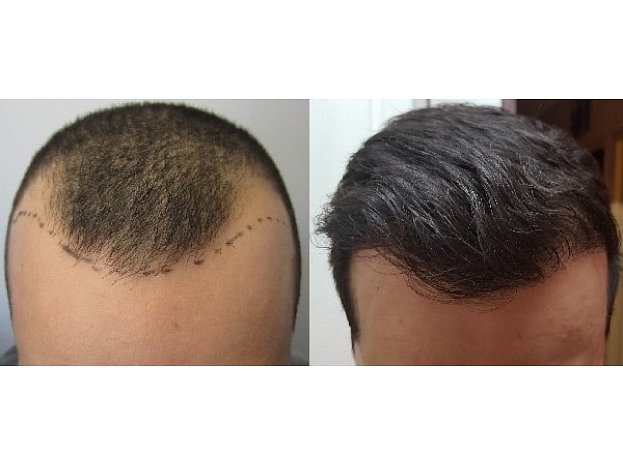
Hair loss can develop gradually or appear suddenly, depending on its underlying cause. Some individuals notice a receding hairline, while others experience thinning around the crown or reduced density across the entire scalp. Understanding why hair loss occurs is an important step before considering Hair Transplant in Dubai (زراعة الشعر في دبي) because the cause helps determine which restoration approach may be suitable.
Hair transplantation is generally intended for selected cases of permanent hair loss. Temporary shedding and certain scalp conditions may require different treatments before surgical restoration is considered.
Genetic Factors and Hereditary Hair Loss
Genetics is one of the most common reasons for progressive hair thinning. Hereditary hair loss occurs when hair follicles are genetically sensitive to dihydrotestosterone (DHT), a hormone derived from testosterone.
Over time, affected follicles gradually become smaller. This process, known as follicular miniaturization, produces finer and shorter hairs until some follicles stop producing visible hair.
Male Pattern Hair Loss
Male pattern baldness commonly affects the temples, frontal hairline, and crown. It may begin with a gradual recession at the forehead before progressing toward larger areas of thinning.
The rate of progression varies between individuals. Family history can provide useful clues, although the severity and timing of hair loss cannot be predicted precisely.
Female Pattern Hair Loss
Female pattern hair loss often appears as widening of the central parting and reduced density around the top of the scalp. Unlike typical male pattern baldness, the frontal hairline may remain relatively preserved.
Women experiencing this condition should have the underlying pattern assessed before considering restoration because widespread thinning can affect donor hair suitability.
Hormonal Changes and Hair Thinning
Hormones play an important role in regulating the hair growth cycle. Changes associated with pregnancy, childbirth, menopause, thyroid disorders, and certain hormonal conditions can influence hair density.
For example, some women experience increased shedding after childbirth because hormone levels change following pregnancy. This type of shedding is often temporary and may improve as the hair growth cycle returns to its usual pattern.
Identifying hormonal factors is important because treating the underlying condition may improve hair health without requiring transplantation.
Nutritional Deficiencies
Healthy hair growth depends on adequate nutrition. Certain deficiencies can interfere with normal follicle activity and contribute to increased shedding or reduced hair quality.
Iron deficiency is a recognized contributor to hair loss in some individuals. Low levels of other nutrients, including zinc and certain vitamins, may also affect hair health.
The Role of Protein in Hair Growth
Hair is primarily composed of a protein called keratin. Insufficient protein intake can affect normal hair production and may contribute to increased shedding.
A balanced diet containing adequate protein, iron, and essential nutrients supports overall hair health. However, supplements should not be used unnecessarily, as excessive intake of certain nutrients can also cause problems.
Stress and Temporary Hair Shedding
Physical or emotional stress can affect the normal hair growth cycle. Significant illness, surgery, major life changes, or prolonged stress may trigger a condition known as telogen effluvium.
In this condition, more hair follicles than usual enter the resting phase, leading to increased shedding several weeks or months after the triggering event.
Hair density may gradually improve once the underlying cause is addressed. This is why sudden or widespread shedding should be evaluated before considering a permanent restoration procedure.
Medical Conditions That Affect Hair Growth
Certain health conditions can interfere with the normal functioning of hair follicles. Thyroid disorders, autoimmune conditions, and inflammatory scalp diseases may contribute to different patterns of hair loss.
Alopecia areata, for example, is an autoimmune condition that can cause sudden, round patches of hair loss. Scarring alopecia can damage follicles permanently and may require specialized assessment before any restoration procedure is considered.
Understanding the specific condition is essential because not every type of hair loss responds to transplantation.
Scalp Infections and Hair Damage
Scalp infections and inflammatory conditions can affect follicle health and create an environment that interferes with normal hair growth.
Fungal infections may cause scaling, itching, and broken hairs. Persistent inflammation can also affect the scalp and may require medical treatment.
Frequent chemical processing, excessive heat styling, and tight hairstyles can contribute to hair shaft damage or traction-related hair loss. Reducing these damaging practices may help prevent further breakage.
Why Identifying the Cause Matters Before Hair Restoration
Hair transplantation moves follicles from one scalp region to another, but it does not automatically treat the underlying reason for hair loss.
If shedding is caused by nutritional deficiencies, hormonal changes, or temporary stress, addressing those factors may be more appropriate than proceeding directly with transplantation.
For individuals with permanent hereditary hair loss, evaluating donor hair quality and the progression of thinning helps establish a realistic restoration plan.
A detailed assessment may include reviewing medical history, examining the scalp, and arranging blood tests when clinically indicated.
When Should You Consider Hair Transplantation?
Hair transplantation may be considered when hair loss is permanent, the donor area contains sufficient healthy follicles, and the expected outcome is realistic.
Individuals with stable receding hairlines, certain patterns of hereditary thinning, or localized bald areas may be suitable candidates.
However, active hair loss, untreated scalp conditions, and temporary shedding should be investigated before making a decision. Understanding the cause helps ensure that the selected approach addresses the actual hair concern.
Final Thoughts
Hair loss can result from genetics, hormonal changes, nutritional deficiencies, stress, medical conditions, and scalp problems. Identifying the underlying cause is essential before deciding whether restoration is appropriate. Hair Transplant in Dubai may help suitable individuals experiencing permanent hair loss, but temporary shedding often requires a different approach. TAJMEELS DUBAI عيادة تجميل is a starting point for individuals interested in exploring hair restoration information and understanding suitable options for their hair concerns.

Provide health services









Comments (0)