

Cotton Silk Fabric vs. Chanderi Silk Fabric: How to Choose the Right One for Your Wardrobe
If you'd like to explore these fabrics in person or online, Chinaya Banaras offers a range of Indian handloom textiles that can help you compare weaves, textures, and finishes before you decide. Whichever you choose, start with your occasion, check the fibre details, and buy from sources that are transparent about what they sell.

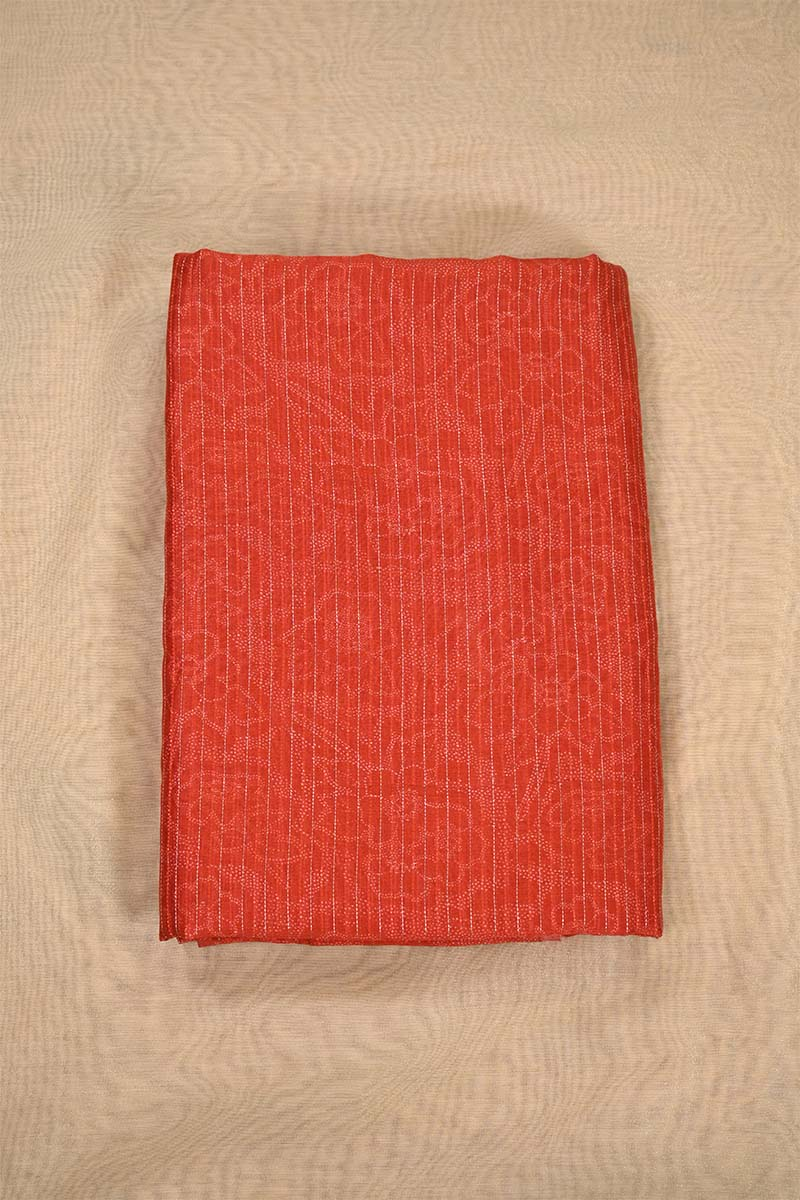
The Problem: Two Fabrics That Look Alike, Feel Different
You walk into a store or scroll through an online catalogue, and two fabrics catch your eye. Both look elegant and lightweight, with a soft sheen. One is labelled "cotton silk fabric," and the other is "Chanderi silk fabric." The price difference is noticeable, but the descriptions barely explain why.
This confusion is common. Many buyers end up with a fabric that wrinkles more than expected, feels too sheer for the occasion, or doesn't suit the weather. The cause is rarely a bad product. It's usually a mismatch between what the fabric is and what the buyer needs from it.
This guide explains how each fabric is made and how it behaves, then gives you a simple way to decide between them.
Understanding the Fabrics
What is cotton silk fabric?
Cotton silk fabric blends cotton and silk yarns, often with cotton in the warp (the lengthwise threads) and silk in the weft, or vice versa. The result combines the strengths of both fibres:
-
Breathability and comfort from the cotton content
-
A gentle lustre and smoother hand-feel from the silk content
-
Moderate structure, which holds pleats and folds well
-
Easier maintenance than pure silk
Because the cotton-to-silk ratio can vary, two cotton silk fabrics from different sellers can feel quite different. A higher silk ratio gives more shine and softness. A higher cotton ratio gives more breathability and a crisper feel.
What is Chanderi silk fabric?
Chanderi is a distinct weaving tradition from the town of Chanderi in Madhya Pradesh, India, with a history stretching back centuries. What sets it apart is its feather-light, semi-sheer texture and its signature glassy glow.
Chanderi fabric typically comes in three base types: pure silk, silk-cotton, and cotton. When people search for Chanderi silk fabric, they usually mean the silk or silk-cotton versions. These are often decorated with small woven motifs (butis), borders, or fine zari work in gold or silver tones. Traditional motifs include coins, florals, and geometric shapes.
The key differences at a glance
|
Feature |
Cotton silk fabric |
Chanderi silk fabric |
|
Texture |
Slightly firmer, smooth |
Very light, airy, semi-sheer |
|
Sheen |
Soft, subtle |
Distinctive glassy glow |
|
Drape |
Structured, holds shape |
Fluid, floaty |
|
Typical use |
Every day, semi-formal wear |
Festive, wedding, occasion wear |
|
Weave identity |
Broad blend category |
Specific regional weaving tradition |
|
Care |
Relatively forgiving |
Needs gentler handling |
The simplest way to remember it: cotton silk is a fiber blend, while Chanderi is a weaving style that can be made with silk, cotton, or both.
A Practical Selection Framework
Instead of choosing by price or appearance alone, run through these five questions.
1. What is the occasion?
For daily wear, office outfits, or casual family gatherings, cotton silk fabric is practical and comfortable. For weddings, festivals, or events where you want a refined, graceful look, Chanderi silk fabric is the stronger choice.
2. What is the climate?
Both fabrics breathe better than heavy silks. Chanderi is exceptionally light and suits warm weather and long events well. Cotton silk works across seasons, and its slightly firmer body adds comfort in cooler months.
3. What drape do you want?
If you want a garment that holds structure, like a tailored kurta, a straight-cut suit, or a jacket, cotton silk fabric is more cooperative. If you want soft flow in a saree, dupatta, or anarkali, Chanderi's fluid drape performs better.
4. How much maintenance can you manage?
Cotton silk is generally easier to care for. Chanderi, with its delicate weave and zari, benefits from dry cleaning or very gentle hand washing.
5. What is your budget?
Cotton silk usually costs less and is a sensible entry point. Chanderi silk fabric tends to cost more, particularly when it is handwoven with zari detailing, because of the skill and time involved.
Example: Two Buyers, Two Different Choices
Meera is shopping for fabric to stitch kurta sets for her office wardrobe. She needs outfits that survive long days, frequent washing, and a commute. She also wants a polished look. For her, cotton silk fabric is the better fit: it's comfortable, holds its shape, and doesn't demand special care.
Anjali is attending her cousin's wedding in late spring and wants a saree that feels light through hours of rituals and photographs. She wants a soft glow and fine detail rather than heavy richness. For her, Chanderi silk fabric is ideal. Its airy drape and delicate zari motifs photograph beautifully and stay comfortable.
Same shopping goal, different needs, different best choice. Neither fabric is "better" in general. Each is better for a specific purpose.
Trust and Buying Guidance
Whichever fabric you pick, a few checks will protect you from disappointment.
-
Ask for the fibre composition. A reliable seller will tell you the actual silk-to-cotton ratio rather than using vague labels.
-
Look for authenticity markers. For handloom products, the Handloom Mark and Silk Mark certifications from Indian government-backed bodies can help verify origin and silk content.
-
Inspect the weave. Genuine Chanderi has an even, fine texture with a translucent quality. Look for clean woven motifs, not printed imitations that sit on the surface.
-
Check the zari. Zari should feel integrated into the weave, not stiff, scratchy, or peeling at the edges.
-
Be realistic about price. Very low prices for "pure Chanderi silk" are a warning sign. Handwoven fabric takes real time to make.
-
Feel before you commit. If buying online, order a swatch or check return policies so you can confirm the hand-feel in person.
-
Follow care instructions. Avoid harsh detergents and direct sun drying, and store these fabrics folded in soft cotton or muslin.
Final Thoughts
Choosing between cotton silk fabric and Chanderi silk fabric is less about which one is superior and more about matching the fabric to your life. Cotton silk gives you dependable comfort and easy care for regular wear. Chanderi gives you featherlight elegance and heritage character for moments that call for it. Many wardrobes benefit from having both.
If you'd like to explore these fabrics in person or online, Chinaya Banaras offers a range of Indian handloom textiles that can help you compare weaves, textures, and finishes before you decide. Whichever you choose, start with your occasion, check the fibre details, and buy from sources that are transparent about what they sell.















Comments (0)