

How Tajmeels Clinic Plans Filler Treatments Around Individual Facial Features
how Tajmeels Clinic in Dubai approaches personalised filler treatments by assessing facial proportions, individual concerns, and natural-looking aesthetic goals.


Dermal Fillers in Dubai are injectable treatments designed to restore lost volume, soften certain lines, and enhance selected facial features. However, achieving balanced results requires more than focusing on a single area. Every face has unique proportions, contours, skin characteristics, and aesthetic needs.
A treatment that creates a balanced appearance for one person may not be suitable for another. Factors such as cheekbone structure, chin projection, lip proportions, and facial symmetry influence how fillers should be planned. This is why an individualised assessment is an important part of responsible aesthetic care.
In Dubai, people considering fillers often want subtle improvements that complement their existing features rather than noticeably changing their appearance. Understanding the relationship between facial anatomy and treatment goals helps patients make informed decisions.
How Facial Proportions Influence Filler Planning
Facial proportions help aesthetic practitioners understand how different features relate to one another. The cheeks, lips, chin, jawline, and under-eye area contribute to the overall appearance of the face.
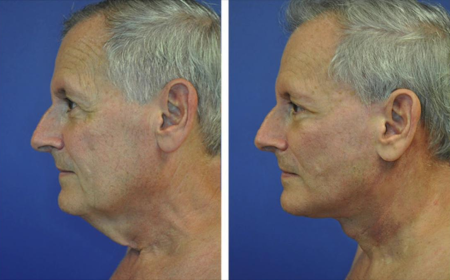
For example, adding volume to the cheeks may influence the perceived balance of the lower face. Similarly, chin enhancement may affect the appearance of the jawline and side profile. These relationships make it important to assess the face as a whole rather than treating every concern separately.
During treatment planning, a qualified medical practitioner may consider facial width, profile, existing volume distribution, and the patient's desired outcome. The aim is to identify whether fillers are appropriate and which areas, if any, may benefit from treatment.
Assessing Individual Concerns Before Treatment
People seek dermal fillers for different reasons. Some notice volume loss associated with ageing, while others want to address naturally less-defined features or improve the appearance of specific facial contours.
An individual assessment helps distinguish between concerns that fillers may address and those that require another approach. For instance, prominent under-eye hollows may sometimes be suitable for carefully selected filler treatment, but pigmentation, puffiness, or loose skin may have different causes.
Similarly, facial asymmetry is common and does not always require correction. Where treatment is considered, the practitioner should explain realistic possibilities and limitations instead of promising perfect symmetry.
A comprehensive consultation should include relevant medical history, previous cosmetic procedures, allergies, medications, skin condition, and expectations. These details help determine suitability and identify potential risks before any injection is performed.
Selecting Suitable Filler Types and Treatment Areas
Different dermal fillers have different properties, including consistency, flexibility, and their ability to provide support or volume. The appropriate product depends on the treatment area, facial anatomy, intended outcome, and individual clinical assessment.
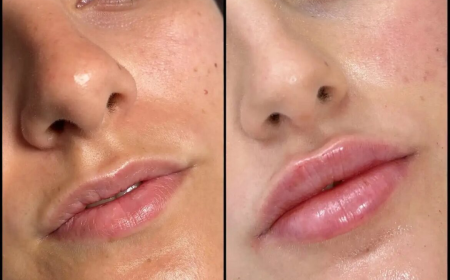
For example, lip treatments require consideration of natural lip shape, movement, and proportion. Cheek treatments may focus on structural support or restoring volume, while chin treatments require careful assessment of the facial profile.
Not every area is suitable for filler injections. Certain locations, particularly around the eyes and nose, have important blood vessels and can carry a higher risk of serious complications. Treatment in these areas requires appropriate expertise, careful patient selection, and a clear understanding of the risks.
The amount of filler should also be determined individually. Using more product does not necessarily create better results. A conservative approach, when appropriate, may help preserve natural facial movement and reduce the likelihood of an overfilled appearance.
Balancing Aesthetic Goals With Facial Harmony
Personalised filler planning involves considering how a proposed change may affect the entire face. Enhancing one feature without assessing surrounding structures can sometimes create an unbalanced result.
For example, a patient requesting fuller lips may benefit from discussing lip proportions and the relationship between the lips and chin. Someone concerned about facial definition may need an assessment of the cheeks and jawline before a treatment plan is recommended.
Patients should also understand that fillers cannot reproduce every desired facial change. They may not be suitable for significant skin laxity, substantial structural concerns, or every type of facial asymmetry.
A qualified practitioner should explain the expected benefits, possible limitations, alternatives, and risks. The final decision should reflect informed consent and the patient's preferences, without pressure to undergo unnecessary procedures.
What to Expect During Recovery and Aftercare
After filler injections, temporary swelling, redness, tenderness, or bruising may occur. The extent and duration of these effects vary according to the treatment area, product, injection technique, and individual response.
Patients should follow the specific aftercare instructions provided by their practitioner. These may include avoiding unnecessary pressure on the treated area and temporarily postponing strenuous exercise, depending on the clinical advice given.
It is important not to judge the final appearance immediately after treatment because initial swelling can affect facial contours. Follow-up assessment may help the practitioner evaluate the outcome and determine whether any further care is appropriate.
Severe or increasing pain, unusual skin discolouration, or changes in vision after filler injections require urgent medical assessment because they may indicate a serious complication. Patients should know how to contact their treating provider if concerns arise.
Personalised Filler Care at Tajmeels Clinic in Dubai
tajmeels clinic dubai can be a starting point for individuals exploring facial filler treatments in Dubai. A patient-centred approach should prioritise consultation, assessment of individual facial features, discussion of aesthetic goals, and clear explanations of available options.
Before proceeding, patients should confirm that their treatment will be performed by an appropriately qualified medical practitioner using suitable products and safe clinical procedures. They should also discuss medical suitability, possible complications, expected recovery, and follow-up arrangements.
Rather than assuming that every facial concern requires injections, treatment planning should focus on whether fillers are appropriate for the individual. This approach supports informed decisions and helps patients understand what a realistic outcome may involve.
Making an Informed Decision About Facial Fillers
Planning fillers around individual facial features requires an understanding of facial anatomy, proportion, product characteristics, and patient expectations. A detailed consultation helps identify suitable treatment areas while recognising limitations and potential risks.
For anyone considering fillers in Dubai, the priority should be safe clinical care and a treatment plan based on personal needs rather than trends. With appropriate assessment and realistic expectations, patients can make more informed choices about whether dermal fillers align with their aesthetic goals.
More Information
Tajmeels Clinic Dubai
WhatsApp: +971 56 203 8751
Phone: tel:+971 43739000
Social Media:

Tajmeels clinic is different from other cosmetic resorts because our doctors are specialized in their fields from the best organizations in the world













Comments (0)