

Better Incident Reporting Builds Stronger Financial Compliance
Discover how better incident reporting helps financial firms investigate breaches, protect customers and improve compliance with Australian regulatory expectations.

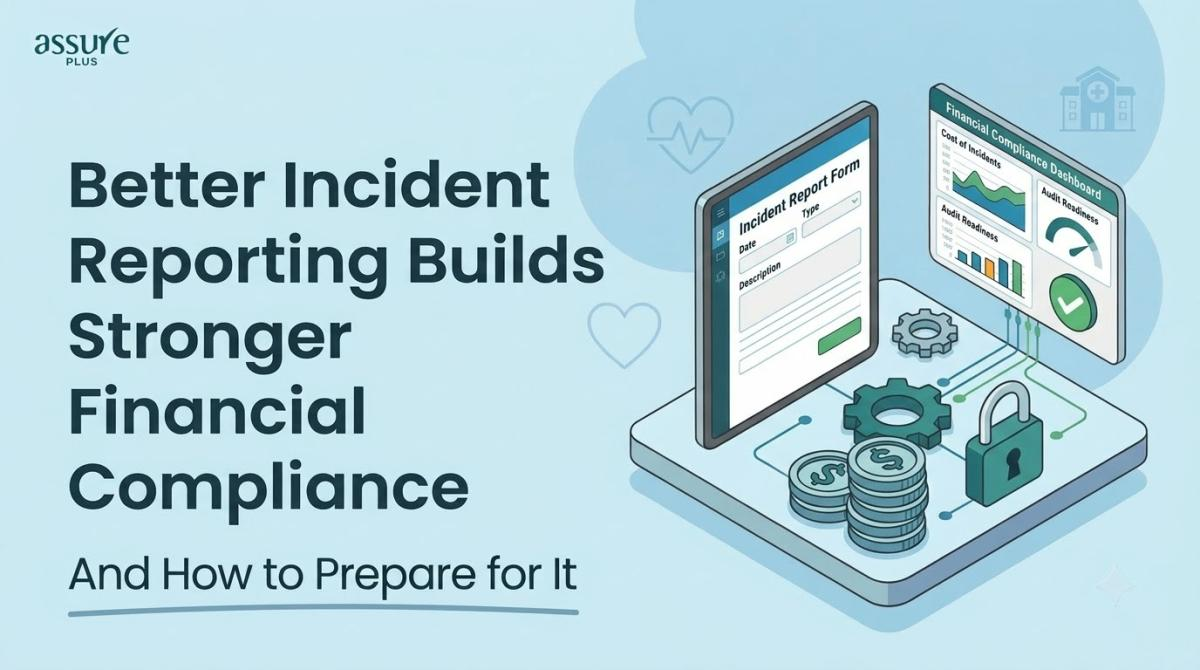
Financial compliance depends on more than written policies and scheduled audits. Organisations must recognise when something has gone wrong, establish the facts and determine whether customers, operations or regulatory obligations have been affected. Without reliable incident reporting, even a well-designed compliance programme can miss early warning signs or struggle to explain how a problem was handled.
This challenge is particularly relevant for Australian financial services firms. ASIC's reportable situations regime requires Australian financial services and credit licensees to notify the regulator about specified breaches, investigations and other forms of misconduct. The quality of internal records can influence how effectively an organisation assesses an event and meets its obligations.
Why Can Inconsistent Incident Reporting Create Compliance Gaps?
Incidents rarely arrive in a format that neatly matches a compliance policy. An employee might identify a processing error, a customer may raise a complaint, or an automated system may detect unusual activity. Each event can begin with different information, levels of urgency and people involved.
If employees rely on informal emails or separate spreadsheets, important details may be overlooked. The organisation might lack a clear timeline, fail to identify the responsible team or discover too late that similar events have occurred elsewhere.
Consistent incident reporting creates a shared record of what was observed, when it happened, who is investigating and what action remains outstanding. Standardised categories and escalation criteria also help teams distinguish routine operational problems from events requiring immediate compliance review.
Technology can support this process by centralising records and assigning follow-up tasks. For example, structured incident management workflows can help organisations track reported issues, document investigations and monitor corrective actions rather than relying on disconnected communications.
The objective is not simply to record more incidents. It is to ensure that relevant information reaches the people responsible for assessing risk and making decisions.
How Can Financial Firms Connect Incidents With Regulatory Duties?
An internal incident does not automatically qualify as a reportable situation. Its significance depends on the facts, the organisation's obligations and the applicable legal requirements. However, a weak internal process can make that assessment harder by delaying investigation or leaving evidence incomplete.
ASIC explains the obligations applying to Australian financial services and credit licensees in its reportable situations guidance. Firms need processes that help them identify potentially reportable matters, investigate them and determine the appropriate next steps within applicable timeframes.
This calls for coordination between operational teams, compliance officers, legal advisers and senior management. The initial report should provide enough information to begin an assessment, while subsequent updates should preserve the investigation's findings and decisions. Where an issue affects customers, organisations may also need to assess notification and remediation obligations.
A governance, risk and compliance framework can connect incident records with broader regulatory responsibilities. AssurePlus supports this wider approach through its GRC capabilities for financial services organisations, helping bring risk and compliance activities into a more coordinated process.
What Evidence Should an Organisation Retain?
A useful incident record explains the event and the decisions made in response. Depending on the circumstances, it may include the discovery date, affected systems or customers, investigation notes, supporting documents, escalation history and approved corrective actions.
The record should also show why the organisation reached its conclusions. If a review determines that an event does not meet a reporting threshold, documenting the reasoning can support later internal review. If the issue is reportable, a clear timeline can help teams prepare accurate submissions and track outstanding obligations.
ASIC's guidance on notification, investigation and remediation explains how relevant duties can apply to affected clients and investigations. Organisations should use the current guidance and obtain appropriate advice when assessing their specific circumstances.
Records are most useful when they lead to action. Recurring incidents may indicate a training gap, an ineffective control or a process that needs redesign. Reviewing these patterns helps compliance teams move beyond closing individual cases and address the causes of repeated failures.
Conclusion
Strong incident reporting gives financial firms a clearer basis for compliance decisions, investigations and corrective action. Consistent records, defined responsibilities and documented reasoning can help teams recognise emerging issues and assess their obligations more effectively. When incident information is connected with wider governance and risk processes, compliance becomes a continuous organisational practice rather than a task reserved for audits.




Comments (0)