

How Does Carpet Tile Compare With Traditional Flooring?
Compare carpet tile with traditional flooring to assess durability, comfort, and maintenance, and identify the best carpet tile for modern spaces in Karachi.

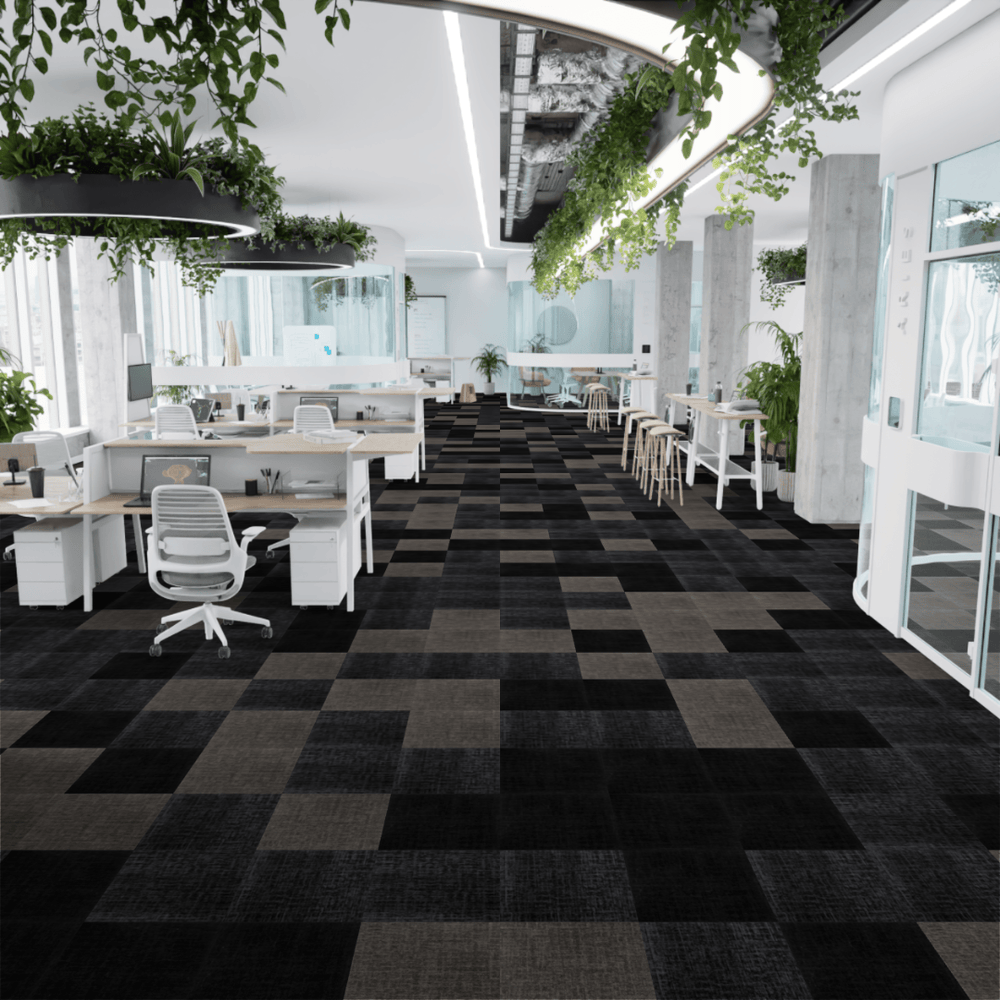
Choosing the right flooring is an important decision for homeowners, business owners, and interior designers. Flooring influences a space's appearance, comfort, maintenance requirements, and long-term costs. While traditional options such as ceramic tiles, marble, hardwood, and broadloom carpet remain popular, carpet tile has emerged as a practical alternative for many modern interiors. Its modular design, variety of patterns, and convenient repair options make it worth considering for residential and commercial projects.
Understanding how carpet tile compares with traditional flooring can help property owners select a material that matches their needs, lifestyle, and budget.
What Is Carpet Tile?
Carpet tile is a modular flooring material manufactured in individual square or rectangular pieces. These pieces are installed next to one another to create a carpeted surface. Unlike traditional broadloom carpet, which is supplied in large rolls, carpet tile allows individual sections to be removed and replaced when necessary.
Available in different colors, textures, patterns, and fiber types, carpet tile can complement a wide range of interior designs. It is commonly used in offices, hotels, conference rooms, educational facilities, and selected residential spaces.
Its modular construction is particularly useful in environments where easy repairs, flexible layouts, and manageable maintenance are important priorities.
1. Carpet Tile vs. Ceramic and Marble Flooring
Ceramic tiles and marble are widely used because they offer a hard, durable surface and are relatively easy to clean. They are suitable for areas where spills and moisture are common, provided the selected material and installation are appropriate.
Carpet tile provides a different experience. Its textile surface feels softer underfoot and can absorb some sound, helping reduce the impact noise associated with walking. This can make it attractive for offices, meeting rooms, bedrooms, and other spaces where acoustic comfort matters.
However, ceramic and marble flooring generally handle routine wet cleaning more easily. Carpet tile requires suitable vacuuming and spot cleaning, and it may not be the best option for bathrooms or areas exposed to frequent moisture.
The right choice depends on whether the priority is easy wet cleaning, a hard-wearing surface, underfoot comfort, or noise management.
2. Carpet Tile vs. Broadloom Carpet
Broadloom carpet is manufactured in large rolls and installed across an entire room or designated area. It creates a continuous carpeted appearance and is often chosen for bedrooms, hotels, and residential living spaces.
Carpet tile offers greater flexibility when localized repairs are needed. If one section becomes permanently stained or damaged, the affected tile can often be replaced without removing the entire floor.
Broadloom carpet can also be repaired, but matching its original texture, pattern, and color may be more challenging. Carpet tile is therefore a practical choice for busy offices and commercial buildings where localized wear is more likely.
Both options provide a softer surface than hard flooring, but their suitability depends on the room layout, installation requirements, design preferences, and maintenance expectations.
3. Carpet Tile vs. Hardwood Flooring
Hardwood flooring is valued for its natural appearance, distinctive grain patterns, and timeless style. It can create an elegant atmosphere in residential interiors, executive offices, and selected commercial environments.
Carpet tile offers a softer surface and can help reduce certain types of indoor noise. It also provides more opportunities to introduce different colors and patterns without relying on the natural appearance of wood.
Hardwood may require refinishing or specialized care to preserve its condition, while carpet tile typically relies on regular vacuuming and appropriate stain treatment. On the other hand, hardwood can be easier to clean after many ordinary spills, whereas carpet fibers may retain dirt or stains.
Property owners should compare durability, moisture sensitivity, maintenance, and the overall design objective before choosing between these materials.
4. Installation and Maintenance Differences
Installation requirements vary significantly between carpet tile and traditional flooring materials.
Carpet tile is installed piece by piece using a compatible adhesive or an approved backing system. Individual tiles can often be replaced, making future maintenance more manageable. However, the subfloor must still be properly prepared to prevent unevenness, movement, or installation problems.
Ceramic and marble flooring generally require careful surface preparation, precise placement, and suitable grout or setting materials. Hardwood installation also requires attention to the subfloor and the product's moisture and expansion requirements.
In terms of maintenance, carpet tile needs regular vacuuming and prompt spill treatment. Hard flooring usually supports easier wet cleaning, although grout lines, surface finishes, and specific material requirements can affect maintenance needs.
5. Cost and Long-Term Value
The total cost of flooring includes material prices, installation labor, surface preparation, cleaning, repairs, and eventual replacement. Carpet tile may offer savings when only a few damaged sections need replacing rather than an entire carpeted area.
Traditional flooring can also provide long-term value. Ceramic and marble may last for many years when correctly installed and maintained, while hardwood may be refinished depending on its construction and condition.
There is no single flooring type that is always the least expensive. Comparing complete project estimates and expected maintenance costs provides a more reliable basis for decision-making.
6. Choosing Carpet Tile in Karachi
For property owners considering carpet tile in Karachi, the intended use of the space should guide the selection process. Offices and commercial buildings may benefit from durable carpet tile designed for frequent foot traffic, while bedrooms and home offices may prioritize texture, color, and comfort.
Local weather conditions, indoor humidity, ventilation, and cleaning routines should also be considered. Carpet tile is not automatically waterproof, so moisture-prone areas may require alternative materials.
Before purchasing, compare product samples, fiber construction, backing quality, installation requirements, and warranty terms. Consulting a reliable flooring supplier can help identify a product suitable for the building's needs and expected usage.
Conclusion
Carpet tile compares favorably with many traditional flooring options when flexibility, acoustic comfort, design variety, and localized repairs are important. Ceramic and marble may suit moisture-prone areas, hardwood offers a distinctive natural look, and broadloom carpet provides a continuous carpeted finish.
The best choice depends on the room's purpose, maintenance expectations, budget, and design preferences. By evaluating these factors carefully, property owners can determine whether carpet tile or traditional flooring offers the most practical solution for their space.















Comments (0)