

How Employee Monitoring Helps Organizations Work Smarter
Working smarter requires organizations to understand how work is performed, where resources are being used, and which processes create unnecessary obstacles.
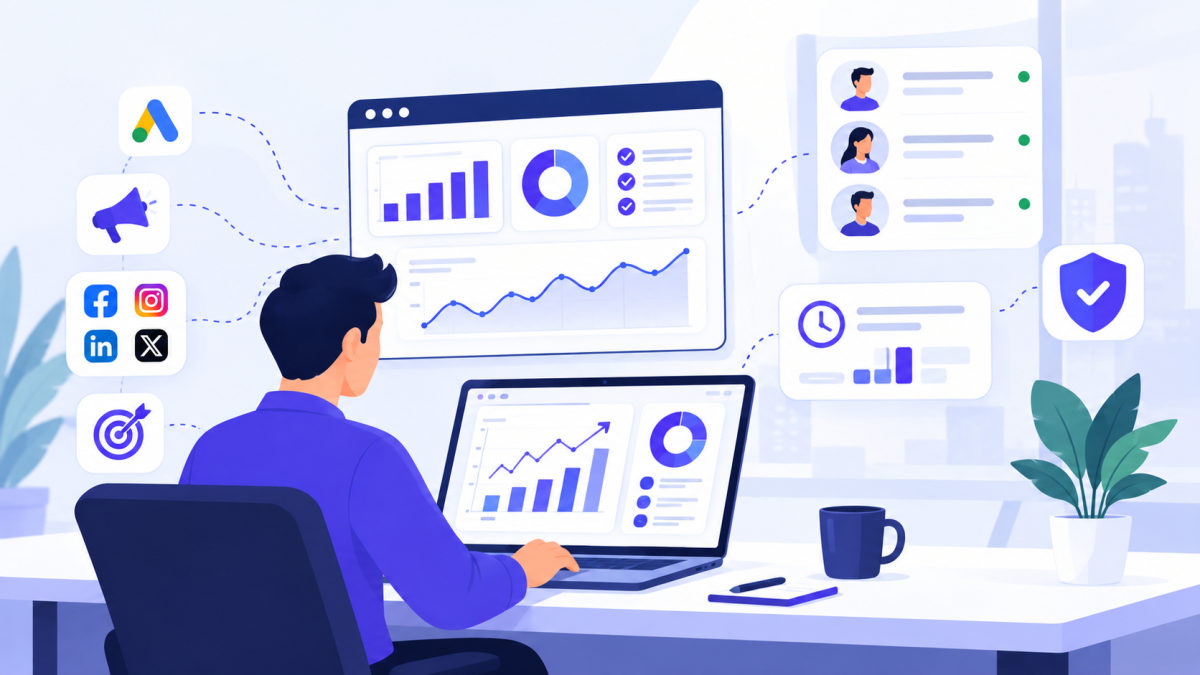
Working smarter means achieving better results through informed decisions, efficient processes, and effective use of available resources. Organizations do not always need longer working hours or larger teams to improve performance. Sometimes, the biggest improvements come from understanding how work is organized and removing obstacles that prevent employees from working effectively.
Workplace data can help businesses identify these opportunities. By gaining insight into daily activities, managers can make better decisions about workloads, workflows, and team priorities.
Replace Guesswork With Practical Insights
Managers often make decisions based on experience, project updates, and performance reports. While these sources are valuable, they may not explain why certain tasks take longer than expected or why some teams repeatedly encounter delays.
Employee monitoring can provide additional context by helping organizations understand work patterns and identify recurring operational challenges. Managers can use these insights to investigate problems, improve processes, and make decisions based on actual workplace conditions.
Spend More Time on Meaningful Work
Employees often lose productive time to repetitive administrative tasks, unnecessary meetings, and frequent interruptions. These activities may seem minor individually, but together they can reduce the time available for important responsibilities.
Recognizing these patterns helps organizations identify where work can be simplified. Managers might streamline approvals, automate repetitive processes, or reorganize responsibilities to reduce unnecessary effort.
The goal is to make productive work easier rather than simply expecting employees to do more.
Make Better Decisions About Team Workloads
Workloads are rarely distributed perfectly across an organization. Some employees may be managing several demanding assignments, while others have the capacity to take on additional responsibilities.
Workforce insights help managers understand these differences and make more balanced decisions about task allocation. Historical information can also help them estimate the time required for upcoming projects and prepare resources before workloads become difficult to manage.
A Time Card Calculator can complement this process by helping businesses calculate work hours accurately when reviewing attendance, schedules, and team capacity.
Time Champ: Helping Businesses Work Smarter
Time Champ helps organizations gain visibility into productivity, attendance, work patterns, and workforce activity through reports and analytics. Managers can use these insights to understand how teams operate and identify areas where processes may need improvement.
Businesses evaluating the Best employee monitoring tools can consider how Time Champ supports workforce visibility across remote, hybrid, and office-based teams. Its insights can help managers review productivity trends, understand workload distribution, and make better-informed decisions about operational efficiency.
By using workforce information to identify practical improvements, organizations can reduce unnecessary work, coordinate responsibilities more effectively, and support better planning.
Solve the Cause Instead of the Symptom
When performance declines, increasing pressure on employees may not address the actual problem. A team could be struggling because of unclear priorities, inefficient approval procedures, outdated tools, or excessive workload.
Looking at recurring workplace patterns helps managers investigate the underlying causes. They can then choose solutions that address the problem directly, whether that means changing a workflow, providing additional resources, or clarifying responsibilities.
This approach helps organizations improve performance without creating unnecessary complexity using employee monitoring software.
Turn Everyday Lessons Into Better Processes
Working smarter also means learning from experience. When a team discovers a more efficient way to complete a task, that knowledge can help improve similar processes elsewhere in the organization.
Managers can review successful practices, evaluate the results of workflow changes, and identify improvements worth repeating. Over time, these small adjustments can reduce wasted effort and create more consistent ways of working.
Regular reviews also help businesses adapt when workloads, projects, and operational priorities change.
Conclusion
Working smarter requires organizations to understand how work is performed, where resources are being used, and which processes create unnecessary obstacles. Better visibility allows managers to make informed decisions, improve workload distribution, and give employees more time for meaningful responsibilities.
With platforms such as Time Champ, organizations can turn workforce insights into practical operational improvements. Combined with a Time Card Calculator for accurate work-hour calculations, these resources can support better planning, greater efficiency, and more productive teams.
Time Champ is an employee monitoring software designed to help businesses gain better visibility into how work is being done across teams.













Comments (0)