

What Happens During Your First NAD+ IV Drip Visit at Tajmeels Clinic?
what to expect during your first NAD+ IV Drip visit at Tajmeels Clinic, from medical assessment and preparation to monitoring and aftercare.

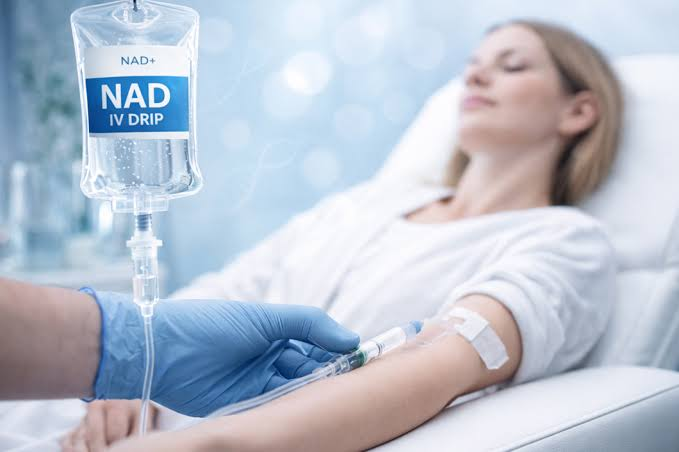
Starting a new wellness treatment can raise questions about preparation, safety, and what happens during the appointment. NAD+ IV Drip in Dubai involves administering nicotinamide adenine dinucleotide (NAD+), a coenzyme involved in cellular energy metabolism, directly into the bloodstream through an intravenous infusion.
For first-time patients, understanding the treatment process can make the experience less uncertain. A responsible appointment should begin with a review of medical history, current symptoms, medications, and individual expectations rather than proceeding directly to an infusion.
NAD+ IV therapy is offered in some wellness settings, but evidence supporting many advertised benefits remains limited. It is important to distinguish established biological functions of NAD+ from claims that intravenous supplementation improves energy, concentration, ageing, or overall wellness.
What Happens Before the NAD+ IV Drip Session?
Initial Consultation and Health Assessment
The first stage typically involves a consultation with a qualified healthcare professional. You may be asked about your general health, previous treatments, allergies, existing medical conditions, and medications or supplements you currently use.
This information helps the healthcare professional assess whether an infusion may be appropriate and whether further evaluation is necessary. Be open about symptoms such as persistent fatigue, dizziness, or weakness, as these can have several underlying causes that require investigation.
The consultation should also cover your expectations. NAD+ IV therapy should not be presented as a guaranteed solution for low energy, premature ageing, or other health concerns.
Reviewing Suitability and Potential Risks
Not everyone is automatically a suitable candidate for NAD+ IV therapy. Your medical history, current health status, and the proposed formulation and dosage should be reviewed before treatment.
Discuss any history of medication reactions, significant medical conditions, pregnancy, breastfeeding, or previous difficulties with intravenous treatments. A clinician can explain whether the available evidence supports proceeding or whether another approach would be more appropriate.
You should also receive clear information about potential side effects, the expected duration of the appointment, and alternatives to treatment. Informed consent is an essential part of responsible clinical care.
How Should You Prepare for Your First NAD+ IV Drip?
Preparation usually begins before you arrive at the clinic. Follow the specific instructions provided by your healthcare team, because recommendations may vary according to your health and the proposed infusion.
Consider these practical steps:
-
Eat appropriately: Unless your clinician advises otherwise, avoid arriving after prolonged fasting.
-
Maintain normal hydration: Drink water according to your usual needs and any medical fluid restrictions.
-
Share medication details: Bring an accurate list of prescription medicines, over-the-counter products, and supplements.
-
Wear comfortable clothing: Choose clothing that allows easy access to your arm for intravenous placement.
-
Ask questions: Clarify the treatment's purpose, limitations, possible reactions, and expected monitoring.
Do not stop prescribed medication or take additional supplements simply to prepare for an NAD+ IV drip unless your healthcare professional specifically advises you to do so.
What Happens During the NAD+ IV Drip Infusion?
Intravenous Line Placement
If the healthcare professional determines that treatment is appropriate and you provide informed consent, the infusion process may begin. A trained practitioner cleans the selected area and inserts a small intravenous catheter, usually into a vein in the arm or hand.
You may experience brief discomfort when the catheter is inserted. Tell the practitioner immediately if you notice significant pain, swelling, burning, or discomfort around the insertion site.
Infusion and Patient Monitoring
The NAD+ solution is administered over a period determined by the prescribed protocol and your response. There is no single treatment duration suitable for everyone, and the clinic should explain the expected timeframe before starting.
During the infusion, staff may monitor your comfort and observe for adverse reactions. Some people receiving NAD+ infusions report symptoms such as nausea, flushing, abdominal discomfort, headache, or chest tightness. Reactions can vary, and the safety profile of NAD+ IV therapy is not fully established.
Report any unusual symptoms immediately. If the infusion causes discomfort or concerning reactions, the healthcare professional should assess whether to slow or stop it and provide appropriate care. Chest pain, breathing difficulty, or fainting requires urgent medical attention.
What Should You Expect After the Treatment?
After the infusion, the practitioner removes the intravenous catheter when appropriate and checks that the insertion site is satisfactory. Depending on the circumstances, you may be observed briefly before leaving.
Some people report feeling different after treatment, while others notice no immediate change. There is insufficient high-quality clinical evidence to promise a particular improvement in energy, mental clarity, physical performance, or ageing-related outcomes.
Follow the aftercare instructions provided by your healthcare team. Ask when you can return to your usual activities and what symptoms should prompt medical attention. If you develop persistent or worsening symptoms after leaving, contact a healthcare professional rather than assuming they are a normal part of the treatment.
It is also worth discussing follow-up before scheduling another infusion. The frequency of treatment should not be based solely on promotional packages or generalised wellness claims.
How Tajmeels Clinic Approaches NAD+ IV Drip Visits
At tajmeels clinic dubai, patients considering NAD+ IV Drip in Dubai should have an opportunity to discuss their wellness concerns, medical history, and treatment expectations with the clinical team. A patient-focused approach includes explaining the proposed procedure, reviewing suitability, discussing potential risks, and clarifying the limitations of current scientific evidence.
Patients should feel comfortable asking about the qualifications of the treating professional, the source and quality of the infusion product, infection-control practices, monitoring arrangements, and emergency procedures. Individualised assessment is important because an infusion that may be considered for one person may not be appropriate for another.
Before proceeding, confirm the clinic's current treatment protocol and the availability of appropriate medical supervision. These questions support informed decision-making and help ensure that wellness goals are approached responsibly.
Is NAD+ IV Drip the Right Choice for You?
Your first visit should help you make an informed decision, not pressure you into treatment. NAD+ plays an important role in cellular processes, but this does not establish that intravenous NAD+ provides the same benefits as naturally occurring NAD+ or produces proven improvements in healthy people.
If fatigue, concentration difficulties, or reduced stamina are your main concerns, discuss possible underlying causes with a qualified healthcare professional. Sleep quality, nutrition, stress, medication effects, and medical conditions can all contribute to these symptoms.
Ultimately, a well-managed first NAD+ IV Drip appointment should prioritise medical assessment, transparent communication, appropriate monitoring, and realistic expectations. Understanding each stage allows you to evaluate the treatment carefully and decide whether it aligns with your individual health needs.
More Information
Tajmeels Clinic Dubai
WhatsApp: +971 56 203 8751
Phone: tel:+971 43739000
Social Media:
Tajmeels clinic is different from other cosmetic resorts because our doctors are specialized in their fields from the best organizations in the world














Comments (0)