

How Tajmeels Clinic Approaches Individual Weight Management Needs With Mounjaro
Discover how Tajmeels Clinic approaches individual weight management needs with Mounjaro in Dubai through medical assessment, personalised guidance, and follow-up care.

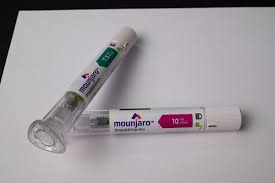
Weight management can be challenging because every individual has different health conditions, eating habits, activity levels, and long-term goals. While some people struggle with appetite control, others experience weight changes related to lifestyle factors or underlying medical conditions. Mounjaro injection in Dubai has become an option for eligible patients who need medical support with weight management. However, achieving sustainable results requires more than medication alone.
In Dubai, choosing a qualified healthcare provider is an important step before starting treatment. A personalised approach helps patients understand whether Mounjaro is suitable for them, what to expect, and how to manage their health throughout the process.
Understanding Individual Weight Management Needs
No single weight management strategy works equally well for everyone. Factors such as age, medical history, current weight, eating patterns, physical activity, and previous weight loss attempts can influence an individual's treatment needs.
Some people may need support with appetite regulation, while others may benefit from a broader plan involving nutritional changes, exercise, sleep improvement, and medical supervision. Identifying these differences helps healthcare professionals develop appropriate recommendations.
An individualised assessment also allows patients to discuss their expectations and concerns before making treatment decisions. Rather than focusing exclusively on the number displayed on a weighing scale, a comprehensive approach considers overall health and realistic, achievable goals.
How Mounjaro Supports Weight Management
Mounjaro contains tirzepatide, a prescription medication that activates GIP and GLP-1 receptors. These hormones are involved in regulating blood glucose, appetite, and food intake. The medication can help eligible patients feel fuller and reduce hunger, potentially supporting weight loss when combined with appropriate lifestyle changes.
Mounjaro is approved for specific medical indications, including type 2 diabetes in relevant jurisdictions. Its use for weight management depends on local regulatory approvals, the patient's eligibility, and the prescribing healthcare professional's assessment.
Patients should understand that results vary. Mounjaro is not a quick fix, and it does not replace balanced nutrition, regular physical activity, or ongoing medical care. A healthcare professional should explain the expected benefits, limitations, potential risks, and appropriate treatment options before prescribing it.
The Importance of a Personalised Medical Assessment
A medical assessment is an essential first step when considering Mounjaro injection in Dubai. The healthcare professional may review the patient's medical history, current medications, weight-related health concerns, and previous attempts at weight management.
The assessment can also help identify factors that may affect treatment suitability. For example, a history of pancreatitis, significant gastrointestinal problems, gallbladder disease, or certain endocrine conditions may require particular consideration. Mounjaro is generally not recommended during pregnancy for weight management, and patients planning pregnancy should discuss treatment with their healthcare professional.
Depending on the patient's circumstances, additional examinations or laboratory tests may be appropriate. This evaluation helps ensure that treatment decisions are based on individual health needs rather than general recommendations.
Creating a Weight Management Plan Around Individual Goals
An effective weight management plan should account for a person's daily routine, dietary preferences, activity level, and medical needs. Some patients may need guidance on portion sizes and meal planning, while others may benefit from developing consistent exercise habits or improving sleep quality.
A personalised plan may include:
-
Nutrition guidance: Encouraging balanced meals with adequate protein, fibre, and essential nutrients.
-
Physical activity: Recommending suitable movement based on fitness, mobility, and health status.
-
Realistic goal setting: Establishing achievable milestones instead of expecting rapid weight loss.
-
Progress monitoring: Reviewing changes in weight, appetite, energy, and relevant health indicators.
-
Long-term planning: Discussing how to maintain progress and manage weight-related challenges over time.
These strategies help patients build habits that can support their health beyond the period of medication use.
Monitoring Progress and Managing Potential Side Effects
Follow-up appointments are important during Mounjaro treatment. A healthcare professional may assess the patient's response, review medication tolerability, and determine whether any adjustments are medically appropriate.
Common side effects include nausea, diarrhoea, vomiting, constipation, and abdominal discomfort. These symptoms may occur particularly when treatment begins or the dose changes. Patients should discuss persistent or troublesome symptoms with their healthcare professional rather than adjusting the dose independently.
Severe, persistent abdominal pain requires urgent medical assessment because it may indicate a serious complication, such as pancreatitis. Patients should also seek prompt advice if they experience signs of dehydration or an allergic reaction.
Regular monitoring allows treatment decisions to reflect the patient's progress, safety, and changing health needs.
The Role of Tajmeels Clinic in Individualised Care
For people considering Mounjaro injection in Dubai, tajmeels clinic dubai can be a starting point for discussing medical weight management options. Patients should seek a consultation to understand the assessment process, available treatment options, and the follow-up arrangements provided by the clinic.
During a consultation, patients can discuss their weight management goals, medical history, concerns about potential side effects, and expectations from treatment. A qualified healthcare professional can evaluate whether Mounjaro is appropriate or whether another approach may better suit the patient's needs.
Patients should also ask about monitoring, medication instructions, lifestyle support, and what to do if side effects occur. Clear communication and medically informed decisions are essential components of responsible care. Treatment recommendations should always depend on an individual's clinical circumstances rather than a promise of specific results.
Building Sustainable Habits Alongside Mounjaro
Medication can support weight management, but everyday habits remain important. Eating balanced meals, staying physically active, getting sufficient sleep, and maintaining consistent routines can contribute to overall well-being.
Patients should avoid extreme dieting or unrealistic weight loss expectations. If appetite decreases significantly during treatment, maintaining adequate nutrition and hydration becomes particularly important. Healthcare professionals can provide guidance on adapting meals and activity levels as needed.
It is also helpful to recognise that weight management is not always linear. Progress may fluctuate because of changes in routine, health, medication response, or other factors. Regular review and realistic expectations can help patients approach these changes constructively.
Conclusion
Individualised care is an important part of medical weight management with Mounjaro. A thorough assessment, realistic goal setting, lifestyle guidance, and regular monitoring can help eligible patients make informed decisions about treatment. For those exploring Mounjaro injection in Dubai, consulting a qualified healthcare professional at Tajmeels Clinic can help clarify suitability, expected outcomes, and appropriate next steps. The priority should always be safe, evidence-based care that supports long-term health rather than rapid results.
More Information
Tajmeels Clinic Dubai
WhatsApp: +971 56 203 8751
Phone: tel:+971 43739000
Social Media:

Tajmeels clinic is different from other cosmetic resorts because our doctors are specialized in their fields from the best organizations in the world














Comments (0)