

Chemical Peels in Dubai for Acne Marks
Learn how Chemical Peels in Dubai may reduce the appearance of acne marks, improve uneven skin texture, and support a clearer-looking complexion.
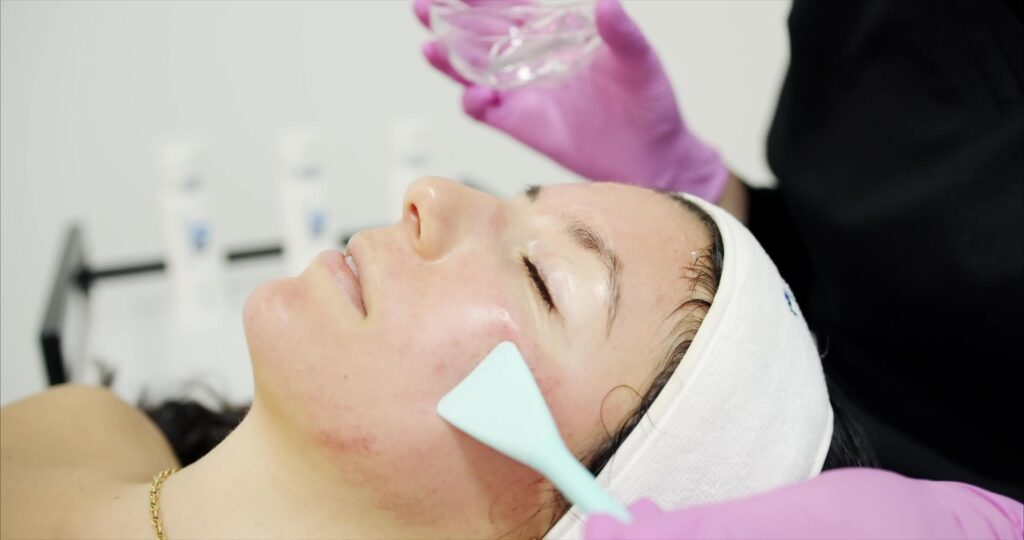
Acne marks can remain visible long after breakouts have healed, leaving areas of redness, brown pigmentation, or uneven texture. Chemical Peels in Dubai (التقشير الكيميائي في دبي) may help improve certain types of post-acne marks by encouraging controlled exfoliation and supporting skin renewal. The right treatment depends on whether the concern involves flat discoloured marks, clogged pores, or deeper acne scars. Understanding these differences helps set realistic expectations and supports a more suitable approach to skin care.
Understanding Different Types of Acne Marks
Not all marks left by acne are the same, and each may respond differently to treatment.
Brown or Dark Acne Marks
Brown marks often develop when inflammation stimulates excess melanin production. This is known as post-inflammatory hyperpigmentation. Selected chemical peels may gradually improve the appearance of superficial pigmentation, although results vary according to skin tone, the depth of the discolouration, and the treatment formulation.
Red or Pink Marks
Some people develop red or pink areas after a breakout has healed. These marks are often related to lingering inflammation or changes in small blood vessels rather than excess pigment. Chemical exfoliation may not be the most effective option for this concern, so a proper assessment is important before choosing treatment.
Indented Acne Scars
Indented scars form when inflammation damages the skin's supporting structures. Unlike flat marks, these scars involve changes in skin depth and texture. Superficial peels are unlikely to remove deep scars, although they may improve overall skin smoothness in selected cases. More pronounced scarring may require other approaches.
How Chemical Peels May Improve Post-Acne Marks
Chemical peels use selected exfoliating acids to loosen dead cells and promote controlled shedding of the outer skin layers. This process may improve surface roughness and gradually reduce the visibility of certain superficial marks.
Some formulations also help address clogged pores, which can be relevant for people who continue to experience blackheads or mild acne. However, treating existing marks is only one part of managing acne-prone skin. Preventing new breakouts and limiting inflammation are equally important for reducing the likelihood of additional marks.
Which Chemical Peel Ingredients May Help?
Salicylic Acid for Acne-Prone Skin
Salicylic acid is commonly used for oily and blemish-prone skin because it can penetrate oil within pores. It helps loosen accumulated dead cells and may reduce blackheads and certain types of congestion. By supporting clearer pores, it can complement a broader plan for managing acne and its aftermath.
Glycolic Acid for Uneven Texture
Glycolic acid helps exfoliate the skin's surface and may improve the appearance of roughness and superficial discolouration. Its suitability depends on the concentration, formulation, and sensitivity of the skin. Excessive strength or overly frequent use can worsen inflammation and potentially aggravate pigmentation.
Lactic Acid for Surface Renewal
Lactic acid is an exfoliating ingredient that may help improve the appearance of dullness and mild unevenness. Depending on the formulation, it can be considered for people seeking gradual surface refinement. Even relatively mild acids can irritate sensitive skin, so treatment selection should be individualised.
What Happens Before and During Treatment?
The process begins with an assessment of the skin's condition, including active acne, sensitivity, pigmentation, previous treatments, and the type of marks present. Any current skincare products and medications should be discussed because they may affect treatment suitability.
The skin is prepared before the selected solution is applied according to the treatment protocol. Mild tingling or temporary redness may occur. The duration and intensity of the procedure depend on the formulation and the depth of exfoliation intended.
A chemical peel should not be performed on severely irritated or compromised skin without appropriate professional assessment. Choosing the right treatment is more important than selecting the strongest available peel.
When Can You Expect to See Improvement?
Improvement is usually gradual rather than immediate. Some people notice a smoother appearance after the skin has recovered from a light peel, while pigmentation concerns may take multiple sessions and several weeks or longer to improve.
Results vary according to the type of mark, the skin's natural healing response, and whether new acne continues to develop. Deep scars generally require a different treatment strategy from flat brown marks. No chemical peel can guarantee complete removal of every acne mark.
Aftercare for Skin Prone to Acne Marks
Aftercare is essential because irritation can lead to further discolouration, especially in skin that is prone to post-inflammatory hyperpigmentation.
Use a gentle cleanser and a moisturiser suited to your skin. Apply broad-spectrum sunscreen with SPF 30 or higher every day, and limit unnecessary sun exposure while the skin recovers. Avoid picking flaking skin, scrubbing the face, or restarting strong exfoliating ingredients too soon.
If breakouts continue, a suitable acne-management routine may help reduce the development of new marks. Introduce active skincare products carefully and follow the recovery instructions provided for the specific peel.
Can Chemical Peels Prevent Future Acne Marks?
Chemical peels may help manage some forms of congestion and superficial discolouration, but they do not guarantee that new acne will not develop. Ongoing breakouts can create additional inflammation and increase the risk of new marks.
A consistent skincare routine, appropriate acne treatment, gentle cleansing, and daily sun protection can help support longer-term skin health. People with persistent inflammatory acne or significant scarring may benefit from an assessment to identify options beyond exfoliation alone.
Final Thoughts
Chemical Peels in Dubai may be useful for improving selected post-acne marks and refining uneven skin texture when the treatment matches the skin's needs. Distinguishing between pigmentation, redness, and indented scars helps establish realistic goals and avoid unsuitable treatments. With careful treatment selection, patient aftercare, and consistent sun protection, TAJMEELS DUBAI عيادة تجميل can be part of your research into approaches for achieving a smoother, more even-looking complexion

Provide health services












Comments (0)