

Winter 2026-27 Prep Guide: Home, Car, Travel and Outages
Get winter-ready before the rush: heating service, insulation, car kit, flexible travel, and a real outage plan for winter 2026-27.


How to use this guide
Forecasts will wobble for weeks — preparation does not have to. This is the companion to our outlook brief (Winter 2026–27 snowfall predictions): one October weekend of work covering home, car, travel, and outages. Do it once, in order, checking boxes as you go.
Direct answer: the highest-return October actions are servicing heat, sealing drafts, building a trunk kit, making holiday travel flexible, and writing a 72-hour outage plan. Everything below is the how.
Home: the one-weekend program
- Heat: service furnace or boiler now; replace filters; bleed radiators; confirm thermostat programs hold schedules.
- Envelope: door sweeps, window film on worst offenders, attic-hatch weatherstrip, exterior faucet covers.
- Pipes: insulate exposed runs in unheated spaces; label the main water shutoff so anyone home can find it.
- Detectors: test every smoke and CO alarm; replace batteries; note expiry dates — detectors age out.
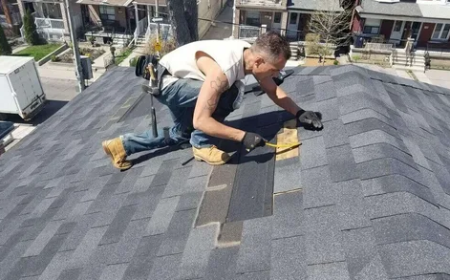
- Gutters and roof: clear gutters, trim branches overhanging roof lines, verify attic ventilation to fight ice dams.
Car kit: build it, trunk it, forget it
Blanket, flashlight plus batteries, scraper, folding shovel, traction aid, jumper cables or a booster pack, water, snacks, USB charger, first-aid basics. Then the checks people skip: tire tread and pressure (cold drops PSI), wipers, freeze-rated washer fluid, and a full-tank habit below half in storm months. Photograph the kit when done — the photo becomes your annual restock list.
Travel: buy flexibility while it is cheap
For December–February legs, price the refundable gap explicitly; where small, buy it. Save offline maps, screenshot change policies into one trip note, and build a storm-day contact list covering drivers, hosts, and elder check-ins. Event hosts: put weather contingencies (tents, heating, cancellation thresholds) in vendor contracts now.
Outage plan: the part households skip
- Power: charge-bank rotation, medical-device runtime math done in advance, fridge discipline (closed door holds ~4 hours).
- Heat without grid: safe alternatives only — never generators or grills indoors; review CO safety with everyone home.
- Water and food: 72-hour baseline per person plus pets, rotated yearly; manual can opener.
- Light and comms: headlamps beat candles for tasks; a battery radio outlives phone batteries for news.
- Documents: insurance, prescriptions, and shutoff locations in one waterproof folder.
Budget sequencing: what to buy in which order
Week one: detectors, batteries, weatherstrip — tens of dollars, highest safety return. Week two: trunk kit and insulation — low hundreds. Week three: bigger tickets only if inspections flagged them (tires, furnace parts). Spreading purchases beats panic-buying the same items at scarcity prices in December, and watching for early-fall sales on big-ticket gear often saves a meaningful percentage for patient buyers.
Kids, elders, and pets
Walk children through the shutoff locations and the "who picks you up if" plan. Confirm elders' heating, medication buffer, and daily check-in partner. Pets: food buffer, carriers accessible, vet records saved offline, paw protection for salted streets.
Room-by-room winterization sweep
Walk the house with a notepad and feel for drafts. Attic: check insulation depth and hatch sealing — most heat escapes upward. Basement: insulate rim joists and exposed pipes, test the sump pump, and confirm window wells drain. Living areas: storm windows down, curtains usable at night for an extra insulation layer, furniture pulled slightly off exterior walls for airflow. Kitchen and baths on exterior walls: open cabinet doors during deep freezes so warm air reaches pipes. Garage: weatherstrip the big door, store paint and chemicals above freezing risk, and keep the shovel accessible — not buried behind summer gear.
When to call a professional
DIY covers most prep, but call licensed help for: furnace behavior you have not seen before (new noises, smells, short-cycling), any suspected gas issue (leave the house, call from outside), electrical panel work, roof work beyond gutters, and chimney cleaning before first fireplace use. Get quotes in October when schedules are open; emergency rates in January run multiples higher for the same job.
Renters edition: what you can still do
Renters cannot replace furnaces but can do plenty: removable window film and draft stoppers, faucet covers where accessible, a personal car kit, renter's insurance review, and a written record of pre-existing draft and heat issues sent to the landlord now — paper trails resolve February disputes. Know your lease's heat minimum and the local tenant-heating ordinances; cities publish them, and they have teeth.
Photograph and document everything
Before winter: photograph each room, the car kit, shutoff locations, and the exterior. Store copies off-device (cloud plus one offline copy). Documentation accelerates insurance claims enormously and settles roommate and landlord debates instantly. Re-photograph after any upgrade so the record stays current.
Make it stick: the annual reset ritual
Same October weekend every year: test, restock, photograph, and update the contact sheet. Fifteen minutes of labeling (bins, breakers, shutoffs) pays back every future storm. Share your completed checklist photo to motivate the street — social proof finishes what forecasts start.
Storm-day playbook: hour by hour
Morning: check official alerts before driving anywhere; message your check-in partner; clear walkways in passes rather than waiting for the end. Midday: conserve phone battery (low-power mode, one news check per few hours), run faucets at a drip in deep freezes, and confirm vulnerable neighbors are warm. Evening: fridge discipline if power flickers, headlamps ready, vehicles fueled or charged. After: photograph any damage immediately, help one neighbor before posting about it, and write the three-line debrief while details are fresh. Calm execution beats heroic improvisation every time.
Go one layer deeper: your street
Household prep caps out where shared problems start — plowing, check-ins, pooled gear. The organizing layer lives here: Winter-ready community hub. Post your street thread, list your event, link your Market spares.
Frequently asked questions
What should I do first if I only have one day?
Detectors and batteries, door sweeps and window film, trunk kit basics, and a written outage contact sheet. Safety and communication before comfort upgrades.
How much food and water for an outage?
A 72-hour baseline per person plus pets is the standard planning figure; scale up for remote areas and medical needs, and rotate stock yearly.
Are generators safe?
Only outdoors, far from windows and vents, with CO alarms working inside. Never indoors or in garages — CO kills silently and fast.
When should travel go refundable?
For peak-holiday winter legs, buy flexibility in October when the gap is smallest. Compare the refundable premium against one rebooking fee — the math usually favors flexibility.
What is the cheapest high-impact upgrade?
Air sealing: weatherstrip, door sweeps, and window film cost little and cut drafts immediately, lowering bills all season while improving comfort more than most expensive gadgets.
How do I prepare if I live alone?
Double down on the buddy system: one daily check-in partner, one key holder nearby, and automated location sharing during storms. Solo households benefit most from street-level organizing — join the check-in thread first.
What belongs in a winter car kit for kids?
Add diapers, wipes, a change of warm clothes, blankets sized for car seats, and shelf-stable snacks they will actually eat. A calm, fed child turns a roadside wait from crisis into inconvenience.
Published Oct 10, 2026. For life-safety decisions always follow NOAA, NWS, and local officials — guides inform, officials direct. Revisit this page monthly through the season; each section links onward as outlooks sharpen and streets report back this winter.











Comments (0)