

How to Improve Surface Finish During Metal Slitting Operations

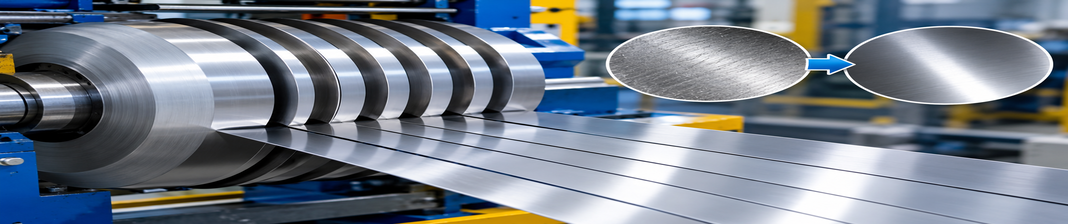
Achieving a smooth and consistent surface finish is an important goal in metal slitting operations. Whether manufacturers are processing stainless steel, aluminum, copper, or other metal materials, the quality of the cut can directly affect product performance, appearance, and further manufacturing processes. Poor surface quality may lead to burrs, scratches, uneven edges, and unnecessary material waste. By selecting the right slitting saw , optimizing machine settings, and following proper maintenance practices, manufacturers can improve cutting results and maintain consistent production quality.
1. Select the Right Cutting Tool for the Material
Choosing the appropriate cutting tool is one of the first steps toward achieving a better surface finish. Different metals have different hardness levels, cutting characteristics, and heat-generation properties. A tool suitable for aluminum may not deliver the same results when used with stainless steel or other harder materials.
When selecting a slitting saw, manufacturers should consider the material type, thickness, required slot width, cutting depth, and desired surface quality. The blade's diameter, thickness, tooth geometry, and material composition can all influence cutting performance.
For example, softer metals may require a tooth configuration that helps prevent material buildup, while harder alloys may need a durable cutting edge that can withstand increased cutting forces. Matching the tool to the application helps reduce vibration, improve chip formation, and produce cleaner cuts.
Working with experienced cutting-tool manufacturers, such as Maxwell Slitter Industries, can help businesses evaluate their tooling requirements and identify suitable options for specific metalworking applications.
2. Optimize Cutting Speed and Feed Rate
Cutting speed and feed rate have a significant impact on the quality of the finished surface. If the cutting speed is too low, the tool may rub against the workpiece instead of cutting efficiently. This can contribute to surface irregularities and poor chip formation.
On the other hand, excessive cutting speed can generate heat, accelerate tool wear, and affect the condition of the workpiece. An unsuitable feed rate may also cause rough edges, excessive cutting pressure, or visible marks on the material.
Manufacturers should follow the tooling supplier's recommendations and adjust machine settings according to the material being processed. It is useful to begin with established operating parameters and make controlled adjustments while monitoring the resulting surface finish.
Recording successful combinations of speed, feed rate, and material type can help operators reproduce good results across future production runs. Consistent settings also reduce unnecessary experimentation and improve process reliability.
3. Maintain Proper Tool Sharpness
A sharp cutting edge helps the tool remove material cleanly and efficiently. As the cutting edge becomes dull, it may require greater force to penetrate the workpiece. This can increase heat generation, vibration, and the likelihood of burr formation.
Regularly inspecting the slitting saw helps operators identify wear before it begins to affect product quality. Signs of deterioration may include chipped teeth, rounded cutting edges, discoloration, uneven wear, or an increase in cutting noise.
Worn tooling should be replaced or professionally resharpened when appropriate. Continuing to use a damaged cutting tool can result in inconsistent dimensions, poor surface finish, and unexpected downtime.
Preventive maintenance is particularly important in high-volume manufacturing environments, where even minor changes in cutting performance can affect a large number of components. Establishing inspection intervals based on operating conditions and production volume helps maintain predictable results.
4. Use Appropriate Cutting Fluid or Lubrication
Heat and friction are common challenges during metal slitting. Excessive heat can damage cutting edges, affect workpiece properties, and contribute to poor surface quality. Suitable cutting fluids or lubrication methods can help control these conditions.
Depending on the material and machining process, cutting fluids may reduce friction, improve heat removal, and assist in clearing chips from the cutting zone. Effective chip removal is especially important because trapped metal particles can scratch the workpiece or interfere with the cutting action.
However, not every application requires the same fluid or lubrication method. The choice depends on the metal, tool material, machine configuration, operating speed, and environmental requirements.
Operators should follow the machine and tooling manufacturer's guidance when selecting and applying cutting fluids. They should also maintain the fluid at the recommended concentration and ensure that the delivery system directs it effectively toward the cutting area.
5. Secure the Workpiece and Minimize Vibration
Even a high-quality cutting tool may produce a rough surface if the workpiece is not held securely. Movement during cutting can cause chatter marks, uneven edges, dimensional variation, and inconsistent slot widths.
Proper clamping and workpiece support help prevent movement under cutting forces. The setup should hold the material firmly without deforming thin or delicate sections. Before starting production, operators should verify that the workpiece is positioned correctly and that all fixtures are secure.
Machine vibration should also be investigated when surface defects appear. Possible causes include an unbalanced tool, incorrect mounting, worn spindle bearings, loose machine components, or unsuitable cutting parameters.
A well-maintained machine and properly installed slitting saw can help reduce vibration and promote smoother cutting. If chatter develops, operators should inspect the complete setup rather than assuming the cutting tool alone is responsible.
6. Choose the Correct Tooth Geometry
Tooth geometry influences how a cutting tool engages with the workpiece, forms chips, and removes material. Factors such as tooth count, tooth shape, rake angle, and gullet design can affect cutting efficiency and the resulting surface finish.
A tooth configuration that is unsuitable for the material may cause excessive cutting forces, poor chip evacuation, or irregular cutting marks. Selecting the correct geometry helps balance cutting performance, tool life, and finish quality.
Manufacturers should consider both the material properties and the intended operation when choosing a slitting saw. Thin materials, harder alloys, and applications requiring narrow slots may have different tooling requirements.
Testing the selected configuration on sample material can help confirm whether it delivers the required finish and dimensional accuracy before full-scale production begins.
7. Keep the Machine and Cutting Area Clean
Clean equipment supports consistent machining performance. Metal chips, dust, and accumulated residue can interfere with workpiece positioning, affect clamping, or become trapped between the tool and material.
Before beginning a production run, operators should inspect the machine table, fixtures, and relevant cutting-area components. Chips should be removed using approved cleaning procedures, with the machine stopped and appropriate safety precautions followed.
Spindle condition, tool mounting surfaces, and workholding components should also be inspected according to the manufacturer's maintenance schedule. Small amounts of contamination or wear in these areas can affect tool alignment and contribute to uneven cutting.
A clean working environment also makes it easier to identify developing problems, such as unusual wear patterns, fluid leakage, or damaged components.
8. Inspect Surface Quality Throughout Production
Surface inspection should be part of the manufacturing process rather than an activity performed only after production is complete. Regular checks help operators identify changes in cutting performance before defects spread across an entire batch.
Depending on the application, inspections may include visual checks for scratches and burrs, dimensional measurements, and surface roughness testing. Where specific roughness requirements apply, an appropriate measuring instrument should be used to verify compliance with the relevant specification.
Manufacturers should document inspection results and compare them with established quality standards. If surface quality begins to deteriorate, operators can review tool condition, machine settings, lubrication, workpiece support, and chip removal.
This systematic approach helps identify the underlying cause of defects and supports continuous process improvement.
9. Establish a Preventive Maintenance Schedule
Preventive maintenance helps keep metal slitting operations stable over time. A maintenance schedule should cover cutting-tool inspection, machine cleaning, spindle checks, fixture condition, lubrication systems, and any other components that influence cutting performance.
Operators should also maintain records of tool usage, replacement intervals, production settings, and recurring surface defects. These records can reveal patterns that might otherwise go unnoticed.
For example, if rough finishes consistently appear after a certain amount of operating time, the tooling inspection schedule may need adjustment. If defects occur only with a particular material, the cutting parameters or tool geometry may require further evaluation.
Manufacturers such as Maxwell Slitter Industries understand the importance of dependable cutting-tool performance in industrial applications. Careful tool selection combined with a structured maintenance process can help manufacturers achieve more consistent results.
Conclusion
Improving surface finish during metal slitting operations requires attention to the entire cutting process. Selecting the right slitting saw, optimizing cutting speed and feed rate, maintaining sharp cutting edges, controlling heat, and minimizing vibration all contribute to cleaner and more consistent results.
Equally important are proper workpiece support, effective chip removal, routine surface inspections, and preventive machine maintenance. By monitoring these factors and making controlled adjustments, manufacturers can reduce defects, improve dimensional consistency, and make better use of their cutting tools.
With a systematic approach to tooling and process control, businesses can achieve reliable surface quality while supporting efficient, cost-effective metalworking operations.












Comments (0)