

How Do Master Key Systems Help Businesses Manage Building Access?
Learn how master key systems help businesses improve security, control employee access, simplify key management, and protect restricted areas.

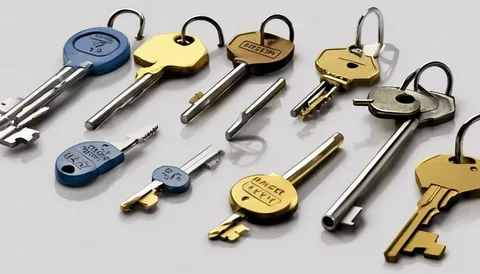
Managing who can enter different areas of a business sounds simple until a building has multiple offices, storage rooms, staff areas, restricted spaces, and several employees. Handing out individual keys can quickly become difficult to track. Lost keys create security concerns, while replacing locks can become expensive and inconvenient.
This is where master key systems for businesses can make a real difference. A well-designed system gives authorized employees access to the areas they need while keeping sensitive or restricted spaces protected.
For business owners and facility managers, the goal is not simply to lock doors. It is to create a practical access structure that is secure, manageable, and easy to maintain as the business changes.
Why Do Businesses Need Better Access Management?
Most commercial buildings have different levels of access. An employee may need access to their office but have no reason to enter a server room, supply closet, records room, or management office.
Giving everyone the same key creates an obvious security problem. It also makes it difficult to know who should have access to specific areas.
A commercial master key system solves this by creating different access levels within one organized system.
For example, a regular employee key may open one office. A supervisor's key could open several offices and shared areas. A manager's key might provide access to most areas, while the master key can operate nearly every compatible lock in the building.
This structure gives businesses more control without forcing staff to carry a large collection of keys.
How Does a Commercial Master Key System Work?
A commercial master key system uses specially designed locks and keys that operate according to an organized hierarchy.
Instead of every key opening every door, each key has a defined level of access.
What Does a Typical Key Hierarchy Look Like?
A basic structure might include:
-
Individual keys for employees
-
Department-level keys for supervisors
-
Management keys for broader access
-
A master key for authorized senior personnel
The exact setup depends on the building and the company's requirements.
A professional locksmith can review the property and determine which doors need restricted access and which employees require access to each area.
This makes the system flexible rather than one-size-fits-all.
How Can Businesses Improve Security With Controlled Access?
Good building security starts with limiting unnecessary access.
If employees receive keys to rooms they never use, the business has less control over sensitive areas. A structured system reduces this risk by giving people only the access required for their responsibilities.
This is particularly useful for businesses that handle confidential records, expensive equipment, cash, inventory, or sensitive technology.
A company may want accounting staff to enter financial offices while preventing general employees from entering those rooms. Similarly, IT staff may need access to server rooms that should remain restricted to everyone else.
This type of business access control creates clear boundaries throughout the property.
What Happens When an Employee Leaves?
Employee turnover is a normal part of running a business. The problem starts when former employees still have working keys.
With an organized access plan, businesses can respond more efficiently when someone leaves. Depending on the lock design, a locksmith may be able to rekey certain locks instead of replacing every lock throughout the building.
That can save both time and money.
It also gives management a chance to review who currently has access and remove unnecessary permissions.
Can a Master Key Lock System Make Daily Operations Easier?
Security is important, but convenience matters too.
Imagine a facility manager carrying a large ring of keys just to check several rooms. Finding the correct key for each door wastes time and creates unnecessary frustration.
A properly planned master key lock system reduces that problem.
Authorized personnel can carry fewer keys while still reaching the areas they are responsible for. This can be particularly useful in schools, apartment buildings, offices, warehouses, medical facilities, retail locations, and industrial properties.
The system can also make maintenance work easier. Managers and authorized technicians can access designated areas without needing a separate key for every door.
How Does Commercial Key Management Help?
Keys are easy to overlook until one goes missing.
A strong commercial key management plan helps businesses keep track of who has access and why. It should include clear records of issued keys, restricted areas, employee responsibilities, and changes in access.
Businesses should also review their key structure periodically.
As departments change, employees move into new roles, and buildings are renovated, access requirements can change too. A system that worked five years ago may no longer reflect how the company operates today.
Regular reviews help prevent unnecessary access from remaining in place.
When Should a Business Consider Rekeying?
Rekeying can be useful in several situations.
A business may want to consider it after a key is lost, when an employee with sensitive access leaves, after a security concern, or following a change in building ownership or management.
Instead of automatically replacing every lock, a locksmith can assess the existing hardware and determine whether rekeying is suitable.
This is one reason professional commercial locksmith services are valuable. A trained locksmith can look at the entire access structure rather than treating one lock as an isolated problem.
Can These Systems Support Business Growth?
A good access system should not become a problem when a company expands.
New offices, departments, storage rooms, or restricted areas can change the way employees move through a building. A professionally planned system can often be adjusted to accommodate these changes.
This makes access planning an important part of long-term building access management.
For example, a growing company may start with a small office and later add additional floors. Instead of creating a completely separate key structure every time the building changes, the access plan can be reviewed and expanded.
Planning ahead can prevent confusion later.
What Should Businesses Consider Before Installation?
Before arranging a master key system installation, businesses should think about more than the number of doors.
Start by identifying the areas that need different security levels. Then determine which employees, managers, contractors, and maintenance personnel require access.
It is also worth reviewing the condition and type of existing locks. Some buildings may benefit from upgrading hardware as part of the process.
A professional locksmith can then design a system around the building's layout and operational needs.
The objective should always be practical security. A complicated system is not automatically a better system. The best setup is one that employees can use easily while giving management meaningful control.
Is Professional Installation Important?
Yes. The quality of the installation affects how well the system performs over time.
A professional locksmith can check door alignment, lock condition, key compatibility, restricted areas, and the overall access hierarchy. They can also help identify weaknesses that may not be obvious to someone managing the property day to day.
Poorly planned access can create unnecessary duplication, security gaps, and future maintenance problems.
Professional planning also makes it easier to document the system, which becomes valuable when new employees join or responsibilities change.
How Can Businesses Balance Security and Convenience?
Strong security does not have to mean making everyday work difficult.
Employees need quick and reliable access to the areas required for their jobs. At the same time, management needs confidence that restricted spaces remain protected.
The right access structure balances both needs.
Rather than giving everyone broad access, businesses can create sensible permission levels. That means employees get what they need without receiving access that serves no practical purpose.
It is a simple principle, but it can have a significant effect on overall security.
What Is the Long-Term Value of Better Access Control?
The biggest benefit is control.
Businesses gain a clearer understanding of who can enter different parts of the property. They can respond more effectively when staff roles change, keys disappear, or new areas are added.
There is also a practical benefit. Fewer keys can mean less clutter, easier daily operations, and fewer headaches for managers.
Most importantly, a carefully designed access structure supports the business instead of getting in the way of it.
Final Thoughts
A commercial property does not need to feel complicated to stay secure. The right key structure can make access easier for authorized staff while protecting areas that require greater privacy or security.
Master key systems for businesses provide a practical way to organize access across offices, facilities, warehouses, and other commercial properties. When combined with proper key records, regular reviews, and professional locksmith support, they can provide a reliable foundation for everyday security.
If you are considering better access control for your property, speak with a professional locksmith who can assess your building and recommend a system suited to your needs. Visit KG Locksmith to learn more about commercial locksmith solutions and get professional help with your building's access needs.













Comments (0)