

Buttock Lift in Dubai: Recovery Explained
Understand Buttock Lift in Dubai recovery, including swelling, incision care, activity restrictions, scar healing, and practical ways to support a smoother recovery.
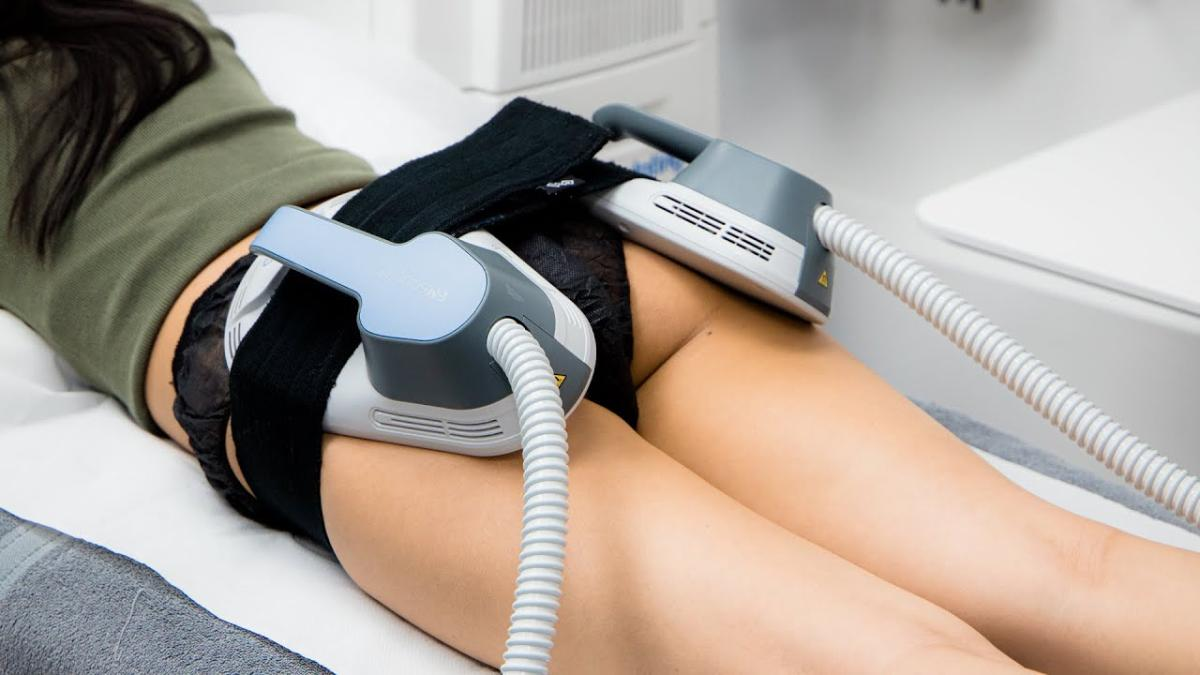
Recovery is an important part of the body contouring journey, especially after surgery that removes excess skin and reshapes the buttocks. Anyone considering a Buttock Lift in Dubai should understand that healing takes time and requires careful attention to movement, incision care, and everyday activities. Preparing for the recovery period can make the process more manageable while helping individuals understand what changes are normal and when additional medical attention may be necessary.
What Happens Immediately After a Buttock Lift?
Following surgery, the treated area may feel swollen, tender, tight, or bruised. These effects are common responses to surgical tissue changes, although their intensity varies from person to person. Some individuals may also experience temporary changes in skin sensation around the incision area.
The initial recovery period focuses on rest, wound protection, and following personalised postoperative instructions. Depending on the surgical technique, dressings or temporary drainage tubes may be used to support healing and manage fluid accumulation.
It is important to have a clear understanding of prescribed medication, follow-up appointments, and activity restrictions before returning home. Arranging assistance during the first few days can reduce unnecessary physical strain.
Understanding the Recovery Timeline
Healing does not follow exactly the same schedule for everyone. The extent of skin removal, individual health, and the body's response to surgery all influence recovery.
The First Few Days
During the first several days, swelling, bruising, and discomfort may be more noticeable. Rest is important, but appropriate gentle movement may also be recommended to support circulation and reduce the risk of blood clots.
Positioning instructions should be followed carefully because certain movements or prolonged pressure on the treated area may cause discomfort. The appropriate way to sit, sleep, and move depends on the specific operation performed.
The Following Weeks
As healing progresses, bruising and swelling generally begin to improve. Everyday movement may become easier, although the incision area can remain sensitive and the body may tire more quickly than usual.
Light activities can be resumed according to individual medical guidance. Heavy lifting, strenuous exercise, and movements that place tension on healing incisions should be avoided until the treating team confirms they are appropriate.
Longer-Term Healing
Visible swelling may take several weeks or longer to settle, while scars continue to mature over subsequent months. The treated contours gradually become easier to assess as the tissues heal.
Even when the external appearance seems improved, deeper tissues may still be recovering. Feeling better does not automatically mean every activity can be resumed without restrictions.
How to Care for Surgical Incisions
Incision care is essential after a buttock lift because the skin needs time to close and strengthen. Keeping the area clean according to the provided instructions and changing dressings as directed can help protect healing tissue.
Avoid applying creams, oils, powders, or other products directly to the incision unless they have been approved for use. Swimming, soaking in a bath, and other activities that expose healing wounds to prolonged moisture may need to be postponed.
Recognising Changes That Need Attention
Mild tenderness and some swelling can occur during normal healing. However, worsening redness, increasing pain, unusual discharge, fever, or separation of the incision should not be ignored.
Contacting the treating team promptly can help identify potential wound complications. Sudden shortness of breath, chest pain, or significant one-sided leg swelling requires urgent medical assessment because these symptoms may indicate a serious complication.
Managing Swelling and Discomfort
Swelling is part of the body's response to surgery. It may fluctuate during recovery, particularly after increased activity, and does not necessarily indicate that the final result has been affected.
Taking medication only as directed and allowing adequate rest can help manage discomfort. Hydration and balanced meals also support general recovery, while smoking can interfere with wound healing and should be avoided.
Compression garments may be recommended in some cases, but their use depends on the procedure and the treating team's instructions. They should not be introduced or adjusted independently if doing so could affect circulation or place pressure on healing tissues.
Sleeping and Sitting After Surgery
Finding a comfortable resting position can be challenging during the early stages of recovery. The best position depends on the incision location and the technique used to lift the buttocks.
Some procedures require specific restrictions on sitting or pressure over the treated area. Others may have different positioning recommendations. Following the personalised instructions is more reliable than adopting a general rule intended for every type of buttock surgery.
A supportive resting area, suitable pillows where recommended, and assistance when changing positions may make daily routines easier. Avoid forcing a position that causes significant discomfort or pulls on the incision.
Returning to Work and Exercise
The timing of a return to work depends on the type of job, the extent of surgery, and the progress of healing. Work involving prolonged sitting, frequent bending, or heavy physical activity may require more time away than a role with flexible duties.
Gentle walking may be encouraged early when medically appropriate, but strenuous workouts should wait until clearance is provided. Increasing activity gradually helps avoid unnecessary stress on the healing tissues.
If an activity causes increasing pain, pulling around the incision, or new swelling, stop and seek advice about whether the routine needs to be modified.
Supporting Scar Healing and Long-Term Results
Scars are an expected part of a surgical buttock lift. Their appearance depends on incision placement, skin characteristics, surgical technique, and individual healing. They may initially look more prominent before gradually becoming less noticeable.
Once the incision has fully healed, scar care may include sun protection or specific products recommended by the treating team. Products should never be applied to open or incompletely healed wounds.
Maintaining a relatively stable weight can also help preserve the improved body contours. Although a buttock lift removes excess skin, it cannot prevent future ageing or changes caused by substantial weight fluctuations.
Making Recovery More Manageable
Planning ahead can reduce avoidable stress during recovery. Preparing meals, arranging transport, organising help with household responsibilities, and keeping postoperative instructions accessible can make the initial period more comfortable.
The most important principle is to allow healing to progress at an appropriate pace rather than rushing back into a normal routine. For people considering a Buttock Lift in Dubai, TAJMEELS CLINIC can be a starting point for learning about the procedure, postoperative expectations, and ways to prepare for an informed body contouring decision.
For More Details, Contact Us Through:
WhatsApp: +971 56 203 8751
Phone: +971 4 373 9000
Social Media:

Provide health services












Comments (0)