

Fall Home Reset: Furnace Gutters Roof Checklist 2026
The complete fall home reset in order: furnace service, gutter clearing, roof check, rooms sweep, and documentation that pays off all winter.


Work in this order (the sequence matters)
Furnace first (schedules fill), roof and gutters second (weather windows close), rooms third (indoor work, any weather), documentation throughout. This is the home-execution companion to the money view (heating bills brief) and the full winter program (winter prep guide).
Direct answer: service the furnace in October, clear gutters and check the roof before sustained rain, sweep rooms for drafts and detectors, and photograph everything for insurance and reference.
Furnace and heating plant (book now)
Annual professional service: combustion analysis, heat-exchanger inspection, filter replacement cadence set, thermostat calibration verified, duct visual check. Between visits: monthly filter checks in season, vent clearance maintained, unusual sounds or smells triggering immediate calls (gas odors mean leave-and-call-from-outside, no exceptions). Heat pumps add coil cleaning, outdoor-unit clearance, and auxiliary-heat lockout review. The October appointment costs a fraction of the January emergency and buys priority-customer status when failures strike neighbors.
Gutters and drainage (before the rains settle in)
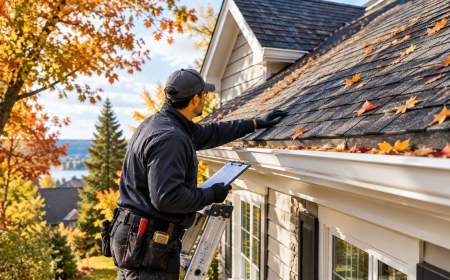
Clear all gutters and downspouts fully, verify slope and secure mounting, extend downspouts away from foundations, and check grading around the house. Test with a hose where feasible — theory ends where water flows. Gutter guards reduce frequency, never eliminate maintenance; inspect annually regardless. Basement seepage history means this section gets double attention plus sump-pump testing with backup power verified.
Roof check (ground plus ladder, know your limits)
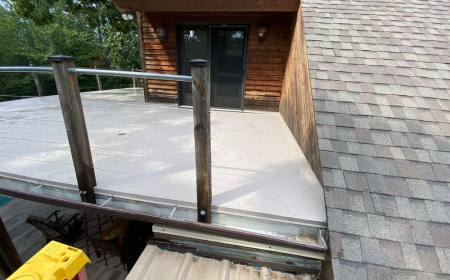
Ground scan with binoculars: missing, curled, or damaged shingles; flashing around chimneys and vents; moss and debris accumulation; gutter-adjacent fascia condition. Ladder work only with proper safety (stable footing, spotter, dry conditions) — otherwise hire the inspection; falls are the leading DIY injury source for a reason. Document everything dated; roof photos anchor insurance claims and contractor quotes alike. Attic interior check completes the picture: daylight through boards, moisture stains, and ventilation adequacy.
Exterior envelope sweep (one focused afternoon)
Caulk failed seams around windows and doors, weatherstrip the worst offenders, cover exterior faucets, drain hoses and irrigation, seal foundation cracks worth sealing (structural questions go to professionals), and service the garage door (weatherstrip plus opener test). Outdoor furniture either stored or covered; grills cleaned with fuel stabilized or disconnected per type. Each item is small; the aggregate is a transformed house ready for whatever the season delivers.
Rooms sweep (top to bottom, one weekend)
Attic: hatch sealing, insulation depth note, ventilation paths clear. Bedrooms and living: window film on worst offenders, draft mapping by feel on a windy day, detector tests with battery replacement. Kitchen and baths: exhaust-fan function, cabinet-door freeze plan for exterior-wall plumbing, under-sink leak check. Basement and utility: pipe insulation, shutoff labeling (every valve tagged in plain language), sump and dehumidifier function. Laundry: vent-line cleaning (fire prevention, not just efficiency), hose inspection with replacement dates noted.
Chimney and fireplace (annual, non-negotiable)
Wood-burning fireplaces need professional sweeping and inspection yearly — creosote is a genuine fire hazard, not a suggestion. Gas units need burner and vent checks plus carbon-monoxide verification. Dampers must close fully when idle (open dampers ventilate heated air continuously all winter). Stock seasoned wood only; green wood smokes, sparks, and coats flues dangerously. First-fire-of-season happens only after inspection passes — no exceptions, no matter how cold the evening feels.
Pest exclusion (they move in as temperatures drop)
Fall is peak rodent ingress season: seal gaps larger than a pencil with appropriate materials (steel wool plus caulk for small holes, hardware cloth for vents), store firewood away from walls, trim branches touching roofs, and secure trash with locking lids. Interior traps beat poisons structurally (poisons create odor and secondary-kill problems); exterior bait stations belong to professionals. One weekend of exclusion prevents winter-long cohabitation — attics and wall voids host more than insulation when gaps invite.
Water heater, sump, and dehumidifier (the basement trio)
Flush water heaters annually (sediment kills efficiency and tanks), test temperature-pressure relief valves, and verify age against typical lifespans — proactive replacement beats flooded basements categorically. Test sump pumps with backup power verified before wet seasons, not during first storms. Dehumidifiers get cleaned coils plus proper drainage routing; winter basement humidity breeds mold silently behind stored holiday decor.
Holiday hosting readiness (the house performs in December)
Guest rooms: bedding washed, outlets accessible, wifi credentials posted, bathroom stocked. Kitchen: oven calibrated (thermometer test), serving ware inventoried, seating math done before invitations. Entry: lighting bright, mats layered, coat capacity realistic. The hosting audit doubles as maintenance discovery — wobbly rails and dead outlets surface exactly when guests multiply liability. Fix now, enjoy later.
Tool inventory and consumables (stock the workshop)
Verify ownership and condition of: ladder safety (feet, locks, height adequacy), basic hand tools plus batteries charged, caulk plus weatherstrip plus filters in stock (buy before the rush empties shelves), snow tools accessible (not behind summer gear), and salt or sand staged. Missing items get purchased in October calm, never January panic at premium prices with empty shelves.
Pros versus DIY lines (safety decides, not pride)
Call licensed help for: gas anything unusual, electrical panel work, steep-roof work, chimney sweeping, and anything structural. DIY confidently: filters, caulk, weatherstrip, cleaning, documentation, and monitoring. The dividing line is consequence of error — low-consequence tasks build skills; high-consequence tasks buy expertise. Get October quotes while schedules breathe; January pricing punishes procrastination systematically.
Documentation that pays (the photo protocol)
Photograph every area before and after work, model plates on equipment, shutoff locations, and detector expiry dates — stored off-device plus one offline copy. The archive accelerates insurance claims, settles contractor disputes, guides future-you through systems, and supports home-value documentation at sale time. Fifteen minutes of labeling (breakers, valves, zones) repays itself every future emergency.
Coordinate the street layer
Individual resets compound into prepared blocks: share contractor recommendations and bulk-buy opportunities, align gutter-cleaning weekends for ladder sharing, and post completion photos to motivate stragglers. The organizing hub: winter-ready community hub — streets, gear, storm plans, all season.
Frequently asked questions
What order should fall maintenance follow?
Furnace booking first (schedules fill), roof and gutters before sustained rain, rooms anytime indoors, documentation throughout. Sequence by weather-dependence and contractor scarcity.
Can I skip professional furnace service this year?
Only with a recent clean bill plus diligent filter discipline — otherwise no. Combustion safety and warranty terms both assume annual care; skipped years cluster into failure years.
How do I know gutters need attention?
Overflow marks, plant growth, sagging runs, basement dampness after rain, and any prior-year issues recurring. When in doubt, clean and inspect — the cost of looking is trivial versus water damage.
Where are heating costs and winter prep covered?
Costs: heating bills brief. Full winter program: prep guide. Street layer: the hub above.
How do I prioritize with limited budget?
Safety first (detectors, chimney, gas concerns), then water exclusion (gutters, grading, roof), then efficiency (sealing, insulation), then comfort upgrades. Spend in that order and every dollar protects maximally.
What should renters definitely do?
Document pre-existing issues in writing, deploy removable sealing, maintain personal emergency kits, and know tenant-heating ordinances. Renter action covers most of what ownership cannot delegate away.
When should holiday hosting prep start?
Now — guest-room and kitchen audits pair naturally with fall maintenance, and early fixes beat December discoveries under party pressure.
Published Oct 10, 2026. Safety first: heights, gas, and electricity go to licensed professionals — everything else, document and DIY with care, and revisit each section as the season tests your work.










Comments (0)