

How Long Does It Take to Notice Changes With Mounjaro?
Discover when Mounjaro may begin to affect appetite and weight, which factors influence progress, and why medical monitoring matters during treatment.

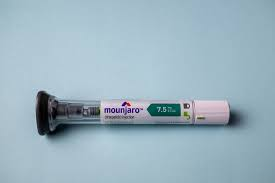
mounjaro in dubai is a prescription medication containing tirzepatide that is used to improve blood sugar control in adults with type 2 diabetes and, where approved, support chronic weight management in eligible patients. Many people researching Mounjaro in Dubai want to know how quickly they might notice changes after starting treatment. The answer varies because every individual responds differently depending on their health, prescribed dose, lifestyle, and treatment goals.
Some people notice changes in appetite during the early weeks, while measurable weight changes may take longer. Understanding the expected timeline can help patients develop realistic expectations and avoid comparing their progress with others.
When Can You First Notice Changes With Mounjaro?
The first noticeable changes may occur during the initial weeks of treatment. Some patients report feeling satisfied sooner after meals, experiencing fewer food cravings, or noticing a reduction in appetite. However, these effects are not guaranteed, and the timing differs between individuals.
Mounjaro works by activating GIP and GLP-1 receptors, which are involved in regulating blood sugar and appetite. It can help improve glucose-dependent insulin secretion, reduce inappropriate glucagon secretion, and slow gastric emptying, particularly after the first doses.
The medication is generally introduced at a low dose, which is gradually increased according to the prescribing clinician's instructions. The starting dose is intended to help the body adjust to treatment rather than provide the full therapeutic effect immediately. Therefore, limited changes during the first few weeks do not necessarily mean the medication is ineffective.
Mounjaro Progress During the First Few Months
First Four Weeks: Adjusting to Treatment
During the first month, patients may begin noticing changes in appetite, meal portions, or feelings of fullness. Others may experience few noticeable changes initially. Gastrointestinal symptoms, including nausea, diarrhoea, constipation, or vomiting, can also occur, especially during treatment initiation or dose increases.
Weight changes during this period can be modest or inconsistent. The body may also experience normal fluctuations due to hydration, digestion, and other factors. Patients should follow their prescribed treatment plan and avoid increasing the dose independently to accelerate results.
Weeks Five to Eight: Monitoring Early Progress
As treatment continues and the dose is adjusted when appropriate, some patients may observe more consistent changes in appetite or weight. The amount of progress depends on individual response, the prescribed dose, eating habits, physical activity, and underlying health conditions.
Patients with type 2 diabetes may also see changes in blood glucose measurements. Those using Mounjaro for weight management should remember that progress is not always reflected by the number on the scale alone. Changes in eating patterns, waist measurements, and other health indicators may also be relevant.
Weeks Nine to Twelve and Beyond: Assessing the Response
Over several months, some patients may begin to see a clearer weight trend. However, there is no universal timeline, and not everyone experiences the same degree of change.
Clinical studies have demonstrated meaningful average weight reductions over longer treatment periods in eligible participants, but these findings do not predict an individual's results after a particular number of weeks. A healthcare professional can assess progress over time and determine whether adjustments or additional support are appropriate.
Factors That Influence How Quickly Mounjaro Works
Several factors can affect when changes become noticeable:
-
Prescribed dose: Treatment usually starts at a low dose, with gradual increases when appropriate. The response may change as the dose is adjusted.
-
Individual biology: Metabolism, genetics, hormones, and existing medical conditions can influence treatment response.
-
Eating habits: Balanced meals containing protein, vegetables, fibre, and other essential nutrients can support overall health during weight management.
-
Physical activity: Suitable exercise can help maintain muscle strength, support metabolic health, and complement a broader weight-management plan.
-
Medication adherence: Following the prescribed schedule consistently is important. Missed doses and unsupervised changes can affect treatment.
-
Other medications and health conditions: These may influence treatment decisions, side effects, and monitoring requirements.
No single factor guarantees faster results. A medically supervised approach helps determine whether progress is appropriate for the individual.
How to Recognise Progress Beyond Weight Loss
Weight is only one measure of response. Depending on the reason for treatment, healthcare professionals may monitor blood glucose levels, HbA1c, waist measurements, appetite changes, blood pressure, and other relevant health indicators.
Keeping a simple record of weight trends, meals, physical activity, side effects, and prescribed doses can help identify patterns over time. Measurements should be taken consistently rather than reacting to daily fluctuations.
Patients should also discuss persistent nausea, vomiting, difficulty drinking enough fluids, or other concerning symptoms with their healthcare professional. Severe or persistent abdominal pain requires urgent medical assessment, as it may indicate a serious complication.
When Should You Discuss Slow Progress With a Doctor?
If you have noticed little change after several weeks, do not increase your dose or stop treatment without medical advice. Your clinician can review your current dose, treatment duration, adherence, side effects, lifestyle factors, and individual goals.
Mounjaro is not appropriate for everyone. Your medical history, other medications, and the approved indication for treatment should be considered before starting. It is also important to understand the potential risks, including gastrointestinal side effects, dehydration, gallbladder problems, and pancreatitis. The risk of hypoglycaemia may increase when Mounjaro is used with insulin or certain other diabetes medicines.
Mounjaro Consultation at Tajmeels Clinic in Dubai
At tajmeels clinic dubai, patients exploring Mounjaro in Dubai can discuss their weight-management goals, medical history, and treatment expectations with a qualified healthcare professional. An individual assessment can help determine whether the medication is suitable, explain the gradual dosing process, and establish an appropriate monitoring plan. Follow-up appointments can help review progress, manage side effects, and address concerns if changes are slower than expected. Treatment decisions should be based on clinical suitability and individual health needs rather than a promise of rapid results.
Conclusion
The time it takes to notice changes with Mounjaro varies from person to person. Appetite changes may appear during the early weeks, while meaningful weight changes often require a longer period of consistent, medically supervised treatment. Dose adjustments, lifestyle habits, individual biology, and overall health all influence the response. Rather than focusing on rapid results, patients should follow their prescribed plan, monitor relevant health indicators, and attend regular reviews. A consultation with a qualified healthcare professional can help establish realistic expectations and support safe, informed treatment decisions.
More Information
Tajmeels Clinic Dubai
WhatsApp: +971 56 203 8751
Phone: tel:+971 43739000
Social Media:

Tajmeels clinic is different from other cosmetic resorts because our doctors are specialized in their fields from the best organizations in the world














Comments (0)