

Signs Your Child May Be a Sensory Seeker or Sensory Avoider (And How to Support Both)
Some children can’t stop moving, touching and crashing into the couch cushions. Others cover their ears at the hand dryer, refuse certain clothes and fall apart in busy shops. Both patterns are common, and both are connected to how a child’s nervous system handles sensory information.
This guide explains the two styles in plain language and shares gentle everyday ideas for supporting each one.
What Do “Sensory Seeker” and “Sensory Avoider” Mean?
Children take in the world through touch, sound, sight, taste, smell, movement, and body awareness. Each child needs a different amount of input, and each handles it differently.
A sensory seeker craves more input than most. They actively look for movement, pressure, noise, or texture. A sensory avoider finds everyday input too intense and tries to step away from it.
These are descriptions of behavior, not diagnoses. Many children sit somewhere in the middle, and their needs shift with tiredness, stress and age. If you’d like background on how sensory differences can affect daily life, our guide to what sensory processing disorder is is a helpful starting point.
Signs Your Child May Be a Sensory Seeker
Movement and Touch
Seekers often look like they have endless energy. You might notice a child who:
- Jumps, spins, climbs, or crashes onto furniture
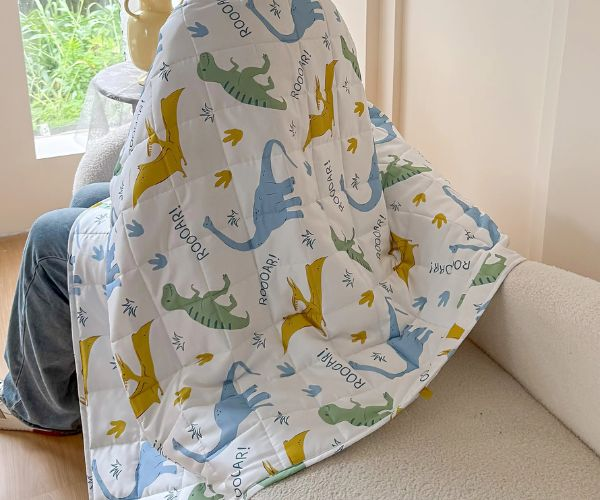
- Loves tight hugs, rough play, and heavy blankets
- Touches everything within reach, including walls and other people
- Chews on sleeves, pencils, or toys
Sound and Energy
Many seekers also like it loud. They may turn the volume up, hum or make noises constantly, and have trouble sitting still for meals or homework. This isn’t naughtiness. Their body is asking for more input to feel settled.
Signs Your Child May Be a Sensory Avoider
Touch and Textures
Avoiders often react strongly to things others barely notice. You might see a child who:
- Complains about clothing tags, seams, or socks
- Dislikes messy play like paint, sand, or slime
- Pulls away from unexpected touch or light hugs
- Eats only certain textures
Sound, Light, and Crowds
Noisy or busy places can quickly become too much. Your child might cover their ears at loud sounds, squint in bright light or become upset in crowded spaces. After a big day, you may see tears, meltdowns, or complete shutdowns at home, because they’ve held it together for hours.
Can a Child Be Both?
Yes, and this surprises many parents. A child can seek movement all day but avoid loud noises or crave deep hugs but hate wet textures. Sensory needs vary by sense, so it’s more helpful to notice patterns across the day than to pick a single label.
Gentle Everyday Ways to Support Both
For Sensory Seekers
Seekers usually need safe outlets for their extra input. Ideas to try:
- Build in movement breaks. Jumping, animal walks, wall push-ups, or a quick trampoline session before homework can help.
- Offer deep pressure. Bear hugs, cushion "sandwiches," and snug blankets give the firm pressure many seekers love.
- Provide safe things to chew or fidget with so they have a better option than their sleeves.
- Add heavy work. Carrying groceries, pushing a laundry basket, or helping in the garden gives the body useful input.
For Sensory Avoiders
Avoiders benefit from predictability and control. Ideas to try:
- Prepare them in advance. Tell your child what’s coming, whether it’s a party, shopping trip, or new classroom.
- Reduce triggers where you can. Choose tagless, soft clothing and keep lighting gentle at home.
- Offer a way out. A quiet corner or a short break can stop a meltdown before it builds. Some families also use ear protection in loud places, and kids’ noise-canceling earmuffs are one option to consider.
- Introduce new sensations slowly, without pressure, and let your child lead.
Take a Look at Your Child’s Space
Small changes at home can make a big difference for both styles, such as softer lighting, a cozy retreat, or a calmer bedtime setup. If you’d like a guided way to review your home, the Sensory Sanctuary Audit walks you through what to look at.
When to Seek Extra Support
Sensory differences are common, but if your child’s reactions are intense, constant, or getting in the way of sleep, eating, school, or friendships, speak with your GP or an occupational therapist. They can assess your child and offer personalised strategies.
Final Thoughts
Whether your child is a seeker, an avoider, or a mix of both, their behavior is usually a signal, not a problem. When you understand what their body is asking for, you can respond with patience and small practical changes. Start by watching for patterns, try one gentle idea at a time and trust what you learn about your child.

Auteeze is a kids-focused online store offering thoughtfully designed sensory comfort products that support better sleep, relaxation, and emotional wellbeing. The range includes bamboo weighted blankets, memory foam pillows, and other child-friendly sensory essentials made to provide calmness and comfort. Each product is created with safe, soft, and high-quality materials to help children with sensory needs feel secure and sleep more peacefully every night.
















Comments (0)