

Hair Transplant in Dubai: Understanding the Process
Learn how hair transplant in Dubai works, from scalp evaluation and donor hair extraction to graft implantation, healing, and long-term hair growth.
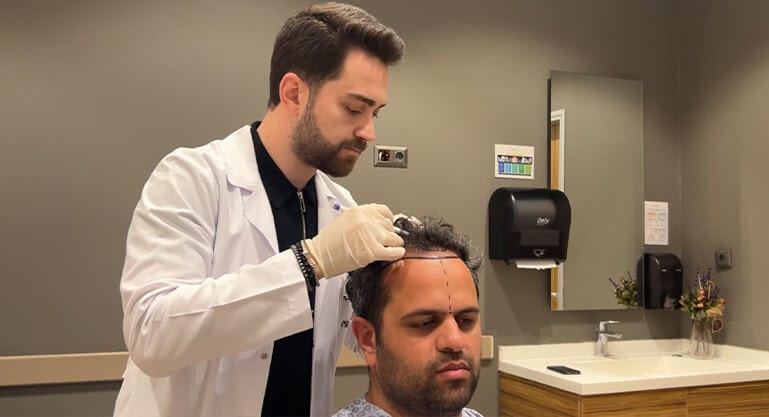
Understanding each stage of hair transplant in Dubai (زراعة الشعر في دبي) can help people feel more prepared when exploring options for hair restoration. The procedure involves transferring healthy hair follicles from a donor area to parts of the scalp affected by thinning or permanent hair loss. Although the process may appear straightforward, careful planning and precise handling are important for achieving balanced coverage.
The journey usually includes an initial scalp assessment, selection of a suitable technique, preparation of the donor area, follicle extraction, implantation, and post-procedure care. Each stage serves a different purpose and contributes to the overall treatment plan.
Stage One: Evaluating Hair Loss and Scalp Health
Before a hair transplant is planned, the pattern and possible cause of hair loss need to be understood. Hair thinning may result from hereditary factors, hormonal changes, nutritional deficiencies, certain illnesses, or scalp conditions. Identifying the likely cause helps determine whether transplantation is an appropriate option.
The assessment generally considers the extent of hair loss, the quality of the donor area, scalp condition, existing hair density, and expectations for coverage. Photographs and hairline planning may also help establish a baseline for evaluating future progress.
Assessing Donor Hair Availability
Donor hair is a limited resource. The follicles available at the back and sides of the scalp influence how much coverage can be achieved and whether more than one session might be considered.
A suitable plan should balance the desired result with the need to preserve the appearance of the donor area. Extracting too many follicles from a limited region can create visible thinning, so conservative distribution is important.
Stage Two: Selecting the Hair Transplant Technique
The technique depends on individual characteristics, the size of the recipient area, donor availability, and personal preferences. Two commonly used approaches are Follicular Unit Extraction and Follicular Unit Transplantation.
How FUE Works
Follicular Unit Extraction, or FUE, involves removing follicular units individually using a specialised extraction instrument. The collected grafts are prepared for placement into the areas where additional hair is needed.
Because FUE does not involve removing a continuous strip of scalp, it generally leaves small individual extraction marks rather than a long linear scar. However, scarring can still occur, and the appearance of the donor area depends on extraction density and healing.
How FUT Works
Follicular Unit Transplantation, or FUT, involves removing a narrow strip of scalp from the donor area. The strip is divided into individual follicular units, which are then prepared for implantation.
This technique usually leaves a linear scar and may require a different recovery approach. Its suitability depends on donor characteristics, hairstyle preferences, and the overall restoration plan.
Stage Three: Preparing for the Procedure
Preparation helps ensure that the treatment plan reflects the individual's needs and medical circumstances. Relevant medical history, current medications, allergies, and previous hair restoration treatments may be reviewed before the procedure.
Personalised instructions may cover medication adjustments, scalp preparation, smoking, and activities to avoid. Medications should never be stopped or changed without appropriate professional guidance.
The planned hairline and recipient areas are also reviewed before treatment begins. This step helps establish where grafts will be placed and how their distribution can complement the existing hair.
Stage Four: Extracting and Handling Hair Grafts
During extraction, the selected follicular units are collected from the donor region. The follicles need to be handled carefully because damage during extraction, preparation, or storage can affect graft survival.
The characteristics of each graft may differ. Some contain a single hair, while others contain two or more hairs. These differences can influence where grafts are placed to create a gradual hairline and improve coverage in areas farther back.
Stage Five: Implanting Follicles Into the Recipient Area
Once the grafts are prepared, small recipient sites are created or used for implantation, depending on the technique. The follicles are positioned according to the planned hairline, natural growth direction, and desired distribution.
The angle and direction of implantation are particularly important around the frontal hairline and temples. The crown has a different growth pattern, so its restoration may require a separate approach to match the natural swirl of the hair.
The final density depends on the number and quality of available grafts, scalp characteristics, and the size of the area being treated. Complete coverage cannot be guaranteed in every case.
Stage Six: Early Recovery and Scalp Care
After the procedure, mild redness, swelling, tenderness, and small scabs may develop. These effects generally improve as the scalp heals, although the recovery period varies between individuals.
Following the aftercare instructions is essential. Washing should be performed as directed, and rubbing, scratching, or applying pressure to the recipient area should be avoided while the grafts are vulnerable. Strenuous exercise may also need to be restricted temporarily.
Persistent pain, increasing redness, fever, unusual discharge, or worsening swelling should be assessed promptly rather than treated as routine recovery symptoms.
Stage Seven: Shedding and New Hair Growth
Transplanted hair shafts commonly shed during the early weeks after treatment. This temporary phase can be concerning, but it does not necessarily mean the follicles have been lost.
New growth often becomes visible around three to four months after the procedure. The hair may initially appear fine or uneven, then gradually become more noticeable over the following months. Many people assess their results at around twelve months, although further changes can occur beyond this point.
Growth rates and final density vary according to follicle characteristics, healing, the treatment area, and individual biology.
What Influences the Overall Outcome?
The result depends on more than the surgical technique. Donor hair density, the progression of hair loss, scalp health, graft survival, and the placement strategy all contribute to the appearance of the restored area.
Future thinning of untreated hair is another consideration. A transplant redistributes existing follicles but does not stop hereditary hair loss elsewhere on the scalp. Long-term planning may therefore include appropriate follow-up and discussion of other hair loss management options.
Conclusion
Hair transplant in Dubai involves several carefully planned stages, from identifying the cause of hair loss to extracting follicles, implanting grafts, and monitoring growth. Understanding these steps makes it easier to prepare for recovery and develop realistic expectations about coverage and timing. For individuals exploring hair restoration, TAJMEELS DUBAI عيادة تجميل can be a starting point for learning about available approaches and the importance of a personalised treatment plan.

Provide health services












Comments (0)