

Mole Removal in Dubai: Medical vs Cosmetic Reasons
Understand the difference between medical and cosmetic mole removal in Dubai, including assessment, method selection, urgency, and testing requirements

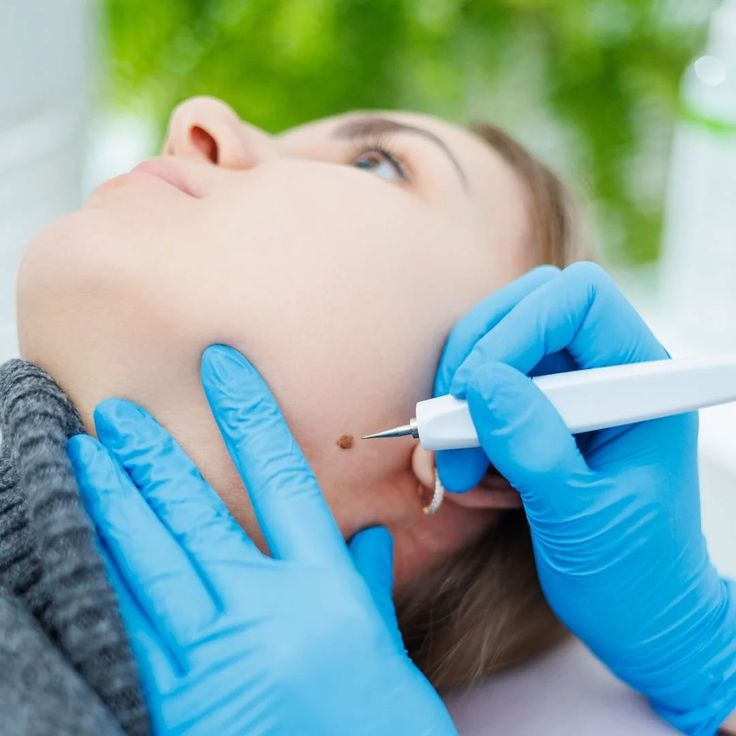
Patients arrive at the decision to remove a mole from two very different directions. Some have been told by a doctor that a lesion needs checking; others simply dislike how a mole looks or find it irritating. Both reasons are valid, but they lead to different clinical pathways, different urgency, and different expectations. This article explains the distinction between medical and cosmetic Mole Removal in Dubai, why it matters, and how to know which category your situation falls into.
Why the Distinction Matters
A mole removed for medical reasons is being treated as a potential diagnosis. A mole removed for cosmetic reasons is being treated as an appearance or comfort concern.
That difference affects:
-
How quickly treatment should happen
-
Which removal method is appropriate
-
Whether laboratory testing is required
-
How the outcome is judged
Treating a suspicious mole as a cosmetic procedure, or treating a harmless mole with unnecessary urgency, are both errors in opposite directions. Correct classification prevents both.
Mole Removal in Dubai: When Removal Is Medical
Medical removal is recommended when a mole shows features that cannot be confidently classified as benign, or when it causes physical symptoms.
Indications include:
-
Changes in size, shape, or colour
-
Irregular or blurred borders
-
Bleeding or crusting without injury
-
Persistent itching or tenderness
-
A new mole appearing in adulthood
-
A personal or family history of skin cancer
In these cases, the priority is diagnosis. The tissue is usually excised and sent to a pathology laboratory, and the cosmetic result, while still considered, is secondary to accurate assessment.
Mole Removal in Dubai: When Removal Is Cosmetic
Cosmetic removal applies to moles that have been assessed as benign but that the patient wishes to have removed.
Common reasons include:
-
The mole is in a highly visible area such as the face or neck
-
It catches on clothing, jewellery, or shaving razors
-
It causes irritation in areas of friction
-
It affects confidence or appearance
Because the mole is benign, laboratory testing is not usually required. The method is chosen primarily for cosmetic outcome and healing profile rather than for diagnostic yield.
The Assessment Comes First, Regardless
Here is the point patients sometimes miss: the reason for removal is determined by assessment, not by the patient's initial preference.
A patient may book an appointment intending cosmetic removal, and the clinician may find features that change the plan to diagnostic excision. Equally, a patient may arrive worried about cancer and leave reassured that the mole is benign and can simply be monitored or removed for comfort.
This is why consultation precedes treatment in every responsible pathway. In our clinical experience, a meaningful proportion of appointments end with a different recommendation than the patient expected.
How the Method Changes With the Reason
The clinical purpose shapes the technique.
For medical removal:
-
Surgical excision is generally preferred
-
A margin of normal skin is included
-
Tissue is sent for histopathology
-
Stitches and follow-up are standard
For cosmetic removal:
-
Shave excision is often suitable for raised moles
-
Laser may be considered for flat pigmented lesions
-
The method is chosen for the best cosmetic outcome
-
Testing is not required if the mole is confirmed benign
Using a tissue-destroying method such as laser on a suspicious mole would be inappropriate, because it prevents laboratory analysis. This is one of the clearest ways the two pathways diverge.
Can a Mole Be Both?
Yes. A mole can be benign and still be removed for cosmetic reasons. It can also be benign but irritating, which sits somewhere between the two categories.
There is no requirement that removal be medically necessary for it to be appropriate. Elective removal of a confirmed benign mole is a legitimate procedure, provided the assessment has been done and the patient understands the risks, including scarring.
The essential rule is simple: benignity should be established before cosmetic removal proceeds.
Mole Removal in Dubai: Talking to Your Clinician About Your Reason
Being clear about your motivation helps the clinician advise you properly.
Useful things to say during consultation:
-
"I am mainly concerned about how it looks."
-
"I noticed it has changed recently."
-
"It bleeds when I shave."
-
"My doctor suggested I have it checked."
Each statement leads the clinician toward a different assessment emphasis. Honest communication produces better guidance than trying to guess what the "right" reason is.
When Urgency Should Override Cosmetics
If a mole shows warning features, urgency takes priority over appearance. In that situation, the appropriate step is prompt assessment, and if excision is advised, it should not be delayed for cosmetic scheduling preferences.
This does not mean every changing mole is dangerous. Most are not. It means that when a clinician recommends diagnostic removal, that recommendation should be followed without prolonged postponement.
Tajmeels Clinic in Dubai assesses moles with the clinical purpose in mind, distinguishing between lesions that require diagnostic excision and those suitable for elective removal. This approach ensures that safety considerations guide the plan, while cosmetic goals are still addressed where appropriate.
Conclusion
Medical and cosmetic mole removal are not competing concepts; they are two pathways that share the same starting point. Assessment determines which one applies, and that determination should never be assumed in advance. Whether your concern is health or appearance, the first step is the same: a proper clinical evaluation to establish what you are dealing with.
Book Your Consultation at Tajmeels Clinic
Book your consultation at Tajmeels Clinic to discuss your goals, treatment options, expected results, and recovery with our medical team. Contact us today to learn whether treatment is suitable for you and receive an individualized treatment plan.
WhatsApp: +971 56 203 8751
Phone: +971 4 373 9000
Social Media:














Comments (0)