

A Practical Guide to Venice Braces for Teens and Adults for Achieving More Beautiful Smile
Venice Braces now include metal, ceramic, and hidden options that are smaller and more comfortable than ever before. Learn how each type works, what treatment time to expect, and how a free consultation helps you choose the right fit with confidence.

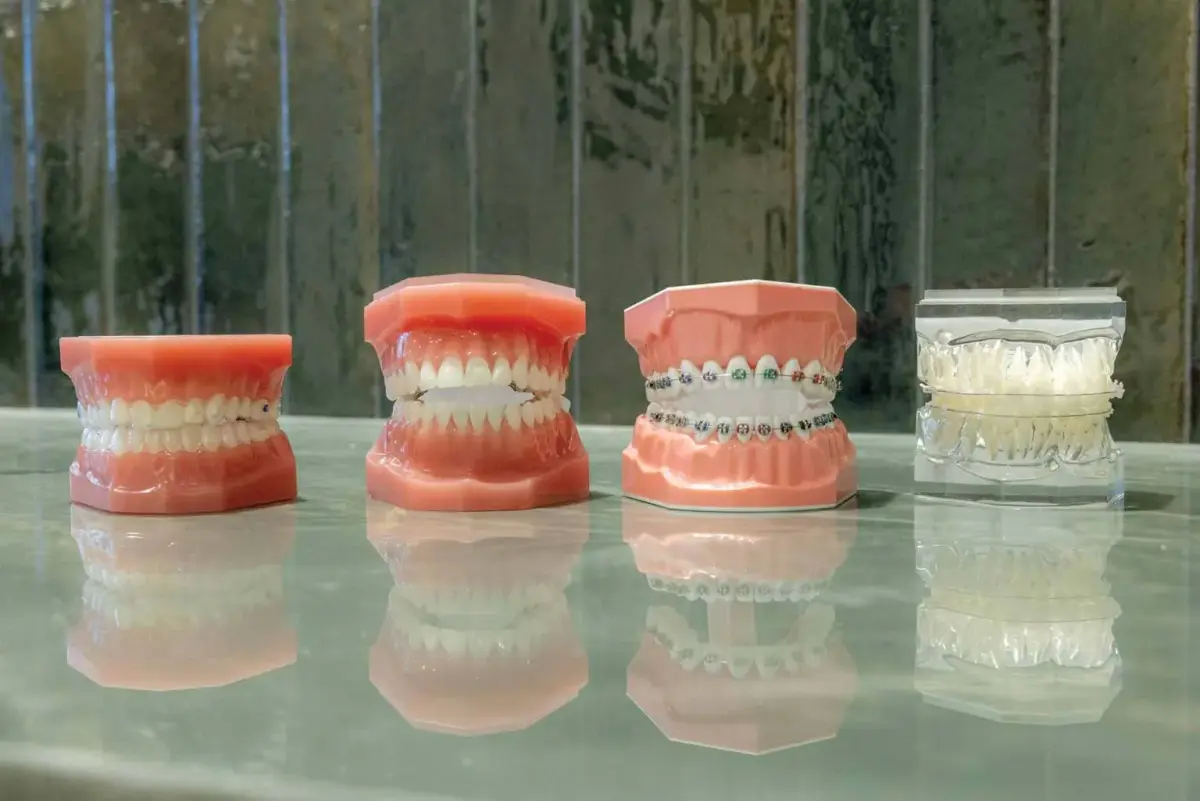
Venice Braces come in more styles today than most people expect, and modern designs are smaller, smoother, and more comfortable than the braces of previous generations. If you are comparing options for yourself or your teenager, a clear understanding of each type will make your first orthodontic visit far more productive.
Metal and Ceramic Braces
Metal braces remain popular because they are durable and effective for a wide range of cases. Today they are lower in profile than older versions, and colored elastics allow patients to add a little personality. Ceramic braces use clear materials that blend in more easily, which appeals to adults and image conscious teens. They do require careful cleaning, since they can discolor if oral hygiene is neglected. Each material has its own advantages, and your orthodontist can explain how they differ in comfort, visibility, and treatment speed.
Hidden Braces and Playful Designs
For patients who want treatment without any visible hardware, hidden braces are placed on the back surface of the teeth. They are custom made and can deliver effective results while keeping the front of the smile untouched. Because these braces are customized, they depend on an experienced clinician and accurate digital planning. Some younger patients prefer the opposite approach and enjoy decorative bracket shapes, which can make brushing and flossing feel more engaging.
Choosing the Right Option Among Venice Braces
The best option depends on your bite, your age, your budget, and how much attention you wish to draw to your treatment. Teens should always join the decision as well. At Alinea Orthodontics, Dr. Jose Enrique Ortiz, a board certified orthodontist, reviews these factors during a free consultation and explains the benefits and limits of every choice. Most braces treatment takes about eighteen to twenty four months, and you will receive a personal estimate based on your own scan.
Caring for Your Braces at Home
Brushing after meals, using floss threaders or small interdental brushes, and avoiding very hard or sticky foods protect both your teeth and your appliances. Cleaning thoroughly around each bracket prevents white marks on the enamel, which can remain after treatment if plaque is left behind. Regular adjustment visits keep progress on schedule, and a loose bracket or poking wire should be reported promptly rather than ignored. Patients who build these habits early usually finish with healthier gums and fewer delays.
Taking the Next Step
Braces are an investment in long term oral health as much as in appearance. A clear plan, steady care at home, and regular visits make the process smoother than most people imagine. For anyone in the area exploring Venice Braces, a free consultation is the best way to compare options and begin with confidence.












Comments (0)