

How Long Does It Take for Liposuction Swelling to Settle?
how long liposuction swelling takes to settle, what affects recovery, and how aftercare and medical follow-ups support healing after surgery.

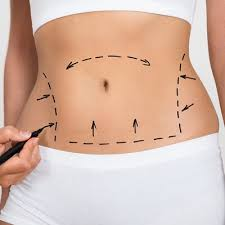
Swelling is a normal part of recovery after Liposuction in Dubai. Although the procedure removes unwanted fat deposits to improve body contours, the treated tissues need time to heal. Many patients notice swelling, bruising, tenderness, and temporary firmness in the treated areas during the first few weeks. However, the time required for swelling to settle varies depending on the treatment area, the extent of surgery, individual healing responses, and adherence to aftercare instructions.
Understanding the recovery timeline can help patients in Dubai prepare for the healing process and maintain realistic expectations about their results.
How Long Does Liposuction Swelling Usually Last?
Liposuction swelling generally improves gradually over several weeks, but some residual swelling can remain for three to six months or occasionally longer. The initial swelling is usually more noticeable during the first few days after surgery and begins to decrease as the body heals.
Patients should understand that reduced swelling does not necessarily mean the final results are visible. The treated areas may continue to change as inflammation settles and the tissues adjust.
Several factors can influence recovery, including the amount of fat removed, the number of treated areas, the surgical technique, skin elasticity, and overall health. Following the surgeon's instructions and attending recommended follow-up appointments can help monitor healing.
Liposuction Swelling Recovery Timeline
First Few Days After Surgery
During the first few days, swelling and bruising are common. The treated areas may feel tender, tight, or uncomfortable, and some fluid drainage may occur depending on the surgical technique.
Patients may find that their body appears temporarily larger or less defined than expected. This is generally related to inflammation and fluid accumulation rather than the final contour.
Rest, prescribed medication, gentle movement when permitted, and following wound-care instructions are important during this early stage.
First Two Weeks
Swelling and bruising often begin to improve during the first one to two weeks. However, the treated areas may remain firm, sensitive, or uneven in appearance.
Compression garments are commonly recommended after liposuction to support the tissues and help manage swelling. Patients should wear them according to their surgeon's instructions rather than adjusting the duration or fit independently.
Returning to work depends on the extent of surgery, the type of work performed, and individual recovery. Strenuous exercise and heavy lifting should be avoided until the surgeon confirms that these activities are appropriate.
Three to Six Weeks
Many patients notice more visible improvements during this period as swelling continues to decrease. Body contours may become easier to assess, although some areas can still feel firm or appear slightly uneven.
Light activities may gradually increase when medically approved. However, the recovery process is not identical for everyone, and patients should not compare their progress too closely with other people's experiences.
Three to Six Months
A substantial amount of swelling has often settled by this stage, allowing the body contours to become more apparent. Nevertheless, subtle swelling, tissue firmness, or changes in skin appearance may continue for several months.
The final outcome may take six months or longer to assess in some cases. The surgeon can provide a more reliable evaluation during follow-up visits.
What Factors Affect Swelling After Liposuction?
Several factors can influence how quickly swelling improves.
Treatment area: The abdomen, thighs, hips, arms, and other areas may heal differently because tissue characteristics and the extent of treatment vary.
Extent of the procedure: Treating multiple areas or removing larger amounts of fat may involve a longer recovery period.
Individual healing response: Age, general health, circulation, medications, and other personal factors can influence tissue recovery.
Compression and aftercare: Proper use of recommended compression garments, wound care, activity restrictions, and follow-up appointments can support recovery.
Physical activity: Returning to strenuous exercise too soon may increase discomfort and swelling. Patients should follow an individualized activity plan.
Fluid retention and inflammation: Temporary fluid accumulation and the body's natural inflammatory response contribute to postoperative swelling.
How Can You Help Reduce Liposuction Swelling?
Although swelling cannot be eliminated immediately, appropriate aftercare can help support healing.
-
Wear the recommended compression garment for the prescribed duration.
-
Follow your surgeon's instructions for wound care and medication.
-
Stay hydrated and maintain balanced nutrition to support recovery.
-
Take short, gentle walks when permitted to encourage circulation.
-
Avoid heavy lifting, strenuous workouts, and activities that have not been approved.
-
Attend scheduled follow-up appointments so your recovery can be assessed.
Do not attempt aggressive massage, lymphatic drainage, or other swelling treatments unless your surgeon confirms that they are appropriate for your condition and stage of healing.
When Should You Contact Your Surgeon?
Some swelling is expected after liposuction, but certain symptoms require prompt medical attention. Contact your surgical team if swelling suddenly increases, pain becomes significantly worse, redness spreads, the treated area feels unusually hot, or you develop a fever or concerning wound discharge.
Seek emergency medical care for chest pain, sudden shortness of breath, fainting, or coughing up blood, as these may indicate a serious complication.
Following medical guidance is essential because not every change during recovery should be assumed to be normal swelling.
Liposuction Recovery Guidance at Tajmeels Clinic
At tajmeels clinic dubai, patients considering liposuction can discuss their body-contouring goals, medical suitability, expected recovery, and postoperative care during a consultation. Understanding the likely swelling timeline before surgery helps patients prepare for temporary changes in appearance and plan their daily activities accordingly.
An individualized assessment can also help establish realistic expectations based on the areas being treated, the planned procedure, and personal health factors. Patients should receive clear instructions about compression garments, activity restrictions, warning signs, and follow-up appointments. These discussions help patients understand the importance of monitoring their recovery rather than judging results too early.
Conclusion
Liposuction swelling usually improves progressively over several weeks, while complete settling may take three to six months or longer. The exact timeline depends on the treated areas, the extent of surgery, and individual healing. Following postoperative instructions, attending follow-up visits, and allowing sufficient time for recovery are important for achieving the best possible outcome. Patients should seek medical advice whenever symptoms worsen or recovery does not follow the expected pattern.
More Information
Tajmeels Clinic Dubai
WhatsApp: +971 56 203 8751
Phone: tel:+971 43739000
Social Media:
Tajmeels clinic is different from other cosmetic resorts because our doctors are specialized in their fields from the best organizations in the world










Comments (0)